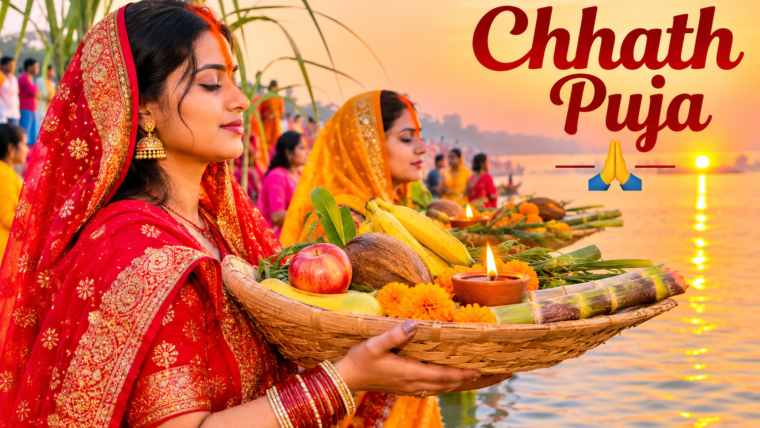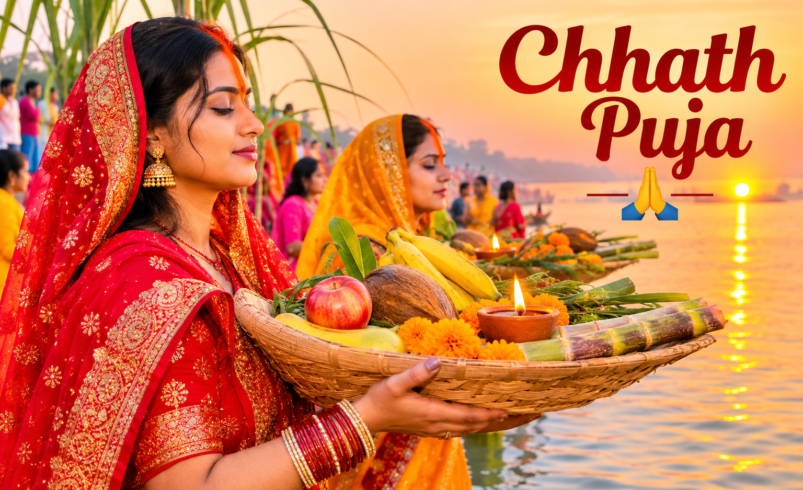

Chhath Puja is one of the most meaningful Hindu festivals, dedicated to Surya Dev (the Sun God) and Chhathi Maiya. For Indians living in America, observing this sacred festival is a beautiful way to maintain cultural traditions, express gratitude, and pass spiritual values to the next generation. Chhath Puja 2026 will be observed from November 13 to November 16, with Sandhya Arghya on November 15 and Usha Arghya on November 16.
Even when living far from India, devotees can observe Chhath Puja with proper preparation, traditional fasting, homemade prasad, and prayers offered to the rising and setting Sun. With guidance from traditional practices and devotional preparations, Sadhana encourages families to make their celebrations meaningful while respecting their individual customs.
This guide explains how to prepare for Chhath Puja fasting in America, arrange puja essentials, follow the four-day rituals, and maintain the spiritual significance of the festival.
What Is Chhath Puja Fasting and Why Is It Important?
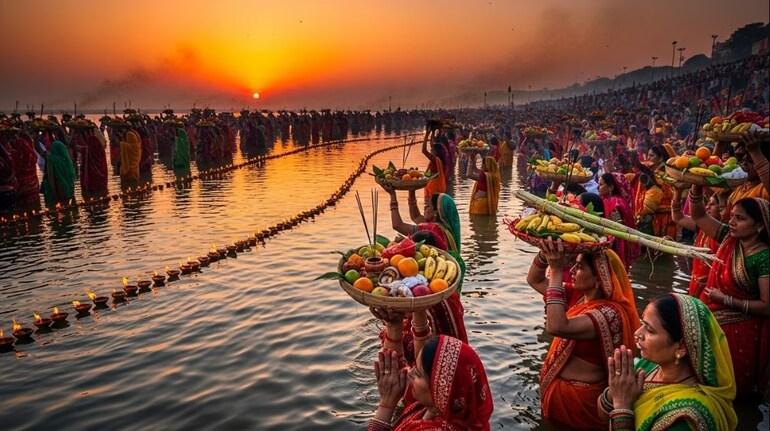
Chhath Puja fasting is a traditional Hindu observance dedicated to Surya Dev and Chhathi Maiya, involving prayers, purification, disciplined eating, and offerings to the Sun. Devotees observe the vrat to express gratitude, seek family well-being, and pray for prosperity and happiness.
The festival is especially celebrated in Bihar, Jharkhand, eastern Uttar Pradesh, and among Indian communities worldwide.
For devotees living in America, Chhath Puja offers an opportunity to stay connected with their roots. Although the surroundings may be different, the devotion, discipline, and spiritual meaning remain the same.
Chhath Puja 2026 Dates and Four-Day Rituals
Chhath Puja 2026 takes place over four days, from November 13 to November 16.
The important observances are:
- November 13 – Nahay Khay: Devotees begin with purification, cleaning, and a traditional sattvik meal.
- November 14 – Kharna: Devotees observe a daytime fast and prepare traditional prasad in the evening.
- November 15 – Sandhya Arghya: Offerings and prayers are presented to the setting Sun.
- November 16 – Usha Arghya: Devotees offer prayers to the rising Sun and complete the vrat with Parana.
These dates follow the 2026 festival calendar. Families in America should check a local Hindu calendar or temple for the appropriate timings in their city.
How Can You Prepare for Chhath Puja Fasting in America?
Preparing for Chhath Puja in America requires some planning because traditional ingredients, bamboo baskets, and suitable worship locations may not always be easily available.
However, devotees can organize their preparations in advance and follow their family traditions as closely as practical.
How to Arrange Chhath Puja Samagri in the USA?
Puja samagri refers to the traditional materials required for worship and offerings. Preparing these items before the festival makes the observance more organized.
Common Chhath Puja essentials include:
- Bamboo soop or traditional offering baskets.
- Fresh fruits such as bananas, apples, and coconuts.
- Sugarcane, where available.
- Thekua and other traditional homemade prasad.
- Rice, wheat flour, and jaggery.
- Diyas, cotton wicks, and ghee.
- Clean water and milk for Arghya.
- Flowers and other family-specific puja materials.
Where Can You Find Traditional Puja Essentials in America?
Indian grocery stores, Hindu religious shops, and online stores can help families find traditional festival supplies.
When organizing your shopping list, Sadhana can be included in your devotional preparation journey. Explore the available products and select suitable essentials according to your family’s Chhath Puja traditions.
Buying supplies early is particularly helpful for families living in areas where traditional Indian festival materials are less accessible.
How to Prepare Your Home for Chhath Puja?
Cleanliness is an important part of Chhath Puja. Devotees traditionally maintain a clean cooking and worship environment throughout the festival.
Here are some simple preparations:
- Clean the kitchen, cooking utensils, and worship area.
- Keep separate, clean utensils for preparing prasad if required by your family tradition.
- Arrange a dedicated space for devotional activities.
- Purchase fresh fruits and ingredients before the festival.
- Prepare a safe location for lighting diyas.
- Coordinate with family members to manage cooking and puja arrangements.
How to Observe Chhath Puja Fasting Step by Step?
Chhath Puja fasting follows four important stages. Each stage has its own spiritual meaning and traditional practices.
Day 1: Nahay Khay – Purification and Preparation
Nahay Khay marks the beginning of Chhath Puja. Devotees take a bath, clean their surroundings, and prepare a simple sattvik meal.
Traditional food often includes rice, chana dal, and kaddu (bottle gourd).
How to Follow Nahay Khay in America?
Families living in America can prepare the traditional meal at home using fresh ingredients from local Indian grocery stores.
Maintain kitchen cleanliness and follow the food preparation customs practiced in your family. This day is also a good opportunity to organize the remaining puja essentials.
Day 2: Kharna – Preparing for the Main Fast
Kharna, also known as Lohanda, is the second day of Chhath Puja. Devotees generally fast during the day and prepare a traditional meal after sunset.
Common Kharna prasad includes rice kheer made with jaggery and roti.
What Should You Prepare for Kharna Prasad?
The preparation of Kharna prasad is an important part of the festival.
Traditional preparations may include:
- Rice and jaggery kheer.
- Homemade roti.
- Fresh fruits.
- Clean drinking water for family members who are not fasting.
After offering the prasad according to family traditions, it is distributed among family members and devotees.
Following Kharna, the traditional nirjala vrat begins for those observing the strict form of the fast.
Day 3: Sandhya Arghya – Offering Prayers to the Setting Sun
Sandhya Arghya is one of the most important rituals of Chhath Puja. Devotees gather near a river, pond, or another suitable water body to offer prayers to the setting Sun.
In America, families can identify a safe and permitted location near a lake, river, or designated community worship area.
How to Perform Sandhya Arghya in America?
Follow these general preparations:
- Arrange a soop or offering basket with traditional fruits and prasad.
- Reach the selected worship location before sunset.
- Keep the offerings organized and protected.
- Offer Arghya to the setting Sun according to family traditions.
- Participate in devotional songs and prayers.
If a suitable natural water body is unavailable, families can ask their local Hindu temple about organized Chhath celebrations or arrange a respectful home observance.
Day 4: Usha Arghya – Offering Prayers to the Rising Sun
Usha Arghya marks the final stage of Chhath Puja. Devotees wake up early and offer prayers to the rising Sun.
After completing the morning rituals, the vrat is concluded through Parana according to traditional customs.
How to Complete Parana After Chhath Fasting?
After offering Usha Arghya, devotees traditionally break their fast with water and prasad.
Families should follow their established customs regarding the order and timing of Parana. Those who have observed a strict fast should resume eating carefully rather than immediately consuming a large meal.
How to Manage Chhath Puja Fasting While Living in America?
Observing Chhath Puja in another country can present practical challenges, especially when managing work schedules, colder weather, transportation, and family responsibilities.
A little planning can make the experience more comfortable.
Plan Around American Sunrise and Sunset Timings
One important consideration is the difference between Indian and American time zones.
Do not use sunrise and sunset timings from India for your American location. Check the local sunrise and sunset times for your city and confirm the appropriate observance with a trusted local Panchang or temple.
Balance Work and Festival Responsibilities
Many devotees in America have regular office hours or family commitments. Planning ahead can help them participate in the rituals without unnecessary stress.
Consider the following:
- Arrange time off if your work schedule conflicts with important rituals.
- Prepare ingredients and prasad in advance.
- Coordinate with family members for transportation.
- Check local community event announcements.
- Keep suitable clothing ready according to the weather.
Follow Safe Fasting Practices
Traditional Chhath fasting can involve an extended waterless fast. However, fasting requirements should be approached carefully.
People who are pregnant, breastfeeding, elderly, taking medication, or living with medical conditions should consult a qualified healthcare professional before attempting a strict fast.
Do not ignore symptoms such as dizziness, fainting, confusion, or severe weakness. Religious observance should be approached with care, and families can discuss appropriate alternatives with knowledgeable religious elders.
What Is the Role of Sadhana in Your Chhath Puja Preparations?
Sadhana represents a connection with devotional practices, spiritual traditions, and meaningful festival preparations.
For families celebrating Chhath Puja in America, organizing the right puja essentials can help make the occasion more convenient and memorable.
Before the festival, prepare a checklist of the materials needed for worship, traditional food preparation, and offerings.
You can explore Sadhana while organizing your devotional shopping and select available items that match your requirements.
The most important part of Chhath Puja is faith, discipline, gratitude, and devotion. The festival’s spiritual meaning remains significant whether it is celebrated in India or thousands of miles away.
The Future of Chhath Puja Celebrations Among Indian Families in America
Chhath Puja continues to connect Indian families across different countries. Community celebrations, cultural gatherings, and online devotional resources make it easier for younger generations to understand traditional practices.
How Are Community Celebrations Making Chhath Puja Easier?
Community-organized celebrations provide opportunities for families to participate in traditional rituals together.
Local Hindu temples and Indian cultural associations may organize special prayer gatherings, offering arrangements, and devotional programs.
These events also help children learn about Surya Dev, Chhathi Maiya, traditional fasting, and the importance of gratitude.
How Can Families Pass Chhath Puja Traditions to the Next Generation?
Parents and grandparents can involve children in simple activities such as preparing offering baskets, arranging fruits, learning traditional songs, and understanding the significance of each ritual.
Sadhana can also be part of the family’s festival preparation routine by helping them explore devotional essentials available through its collection.
Conclusion
Observing Chhath Puja fasting while living in America is a meaningful way to preserve Indian culture, spiritual values, and family traditions. With advance planning, traditional prasad, suitable puja essentials, and attention to local sunrise and sunset timings, devotees can celebrate Chhath Puja 2026 with devotion and care.
Remember these important points:
- Prepare puja samagri and traditional ingredients in advance.
- Follow the four-day Chhath Puja rituals.
- Check local American sunrise and sunset timings.
- Choose a safe and suitable place for Arghya.
- Respect your health and follow appropriate fasting practices.
Make your festival preparations easier by exploring Sadhana and organizing the devotional essentials needed for your celebration. Celebrate Chhath Puja with faith, gratitude, and devotion, wherever you live.
Frequently Asked Questions
1. When Is Chhath Puja 2026 Celebrated in America?
Chhath Puja 2026 is observed from November 13 to November 16. Nahay Khay falls on November 13, Kharna on November 14, Sandhya Arghya on November 15, and Usha Arghya on November 16. Devotees in America should confirm local ritual timings using their city’s Panchang.
2. Can I Observe Chhath Puja Fasting While Living in the USA?
Yes. Hindu families living in the USA can observe Chhath Puja by following their family traditions, preparing traditional prasad, arranging puja essentials, and offering prayers to the setting and rising Sun. Local temples and Indian communities can also help organize suitable celebrations.
3. What Food Is Prepared During Chhath Puja?
Traditional Chhath Puja food includes kaddu-bhat, chana dal, rice, jaggery kheer, roti, and thekua. Fresh fruits, sugarcane, and coconut are also commonly included in the offerings. Recipes and ingredients may vary according to regional and family traditions.
4. How Can Sadhana Help With Chhath Puja Preparations?
Sadhana can be included in your festival preparation process when exploring devotional essentials. Families can review available products and select appropriate items for their worship arrangements. Preparing a shopping checklist in advance can make Chhath Puja preparations more organized.
5. How Long Is the Chhath Puja Nirjala Fast?
The traditional nirjala fast generally begins after the Kharna meal and continues until the Usha Arghya ritual the following morning, lasting approximately 36 hours. Practices can vary by family and tradition. People with health concerns should seek medical advice before attempting a waterless fast.
About the Author
Sadhana Editorial Team creates informative content about Hindu festivals, devotional traditions, puja preparations, and spiritual practices. The team aims to help readers understand cultural celebrations and organize meaningful festival observances, whether they live in India or abroad.