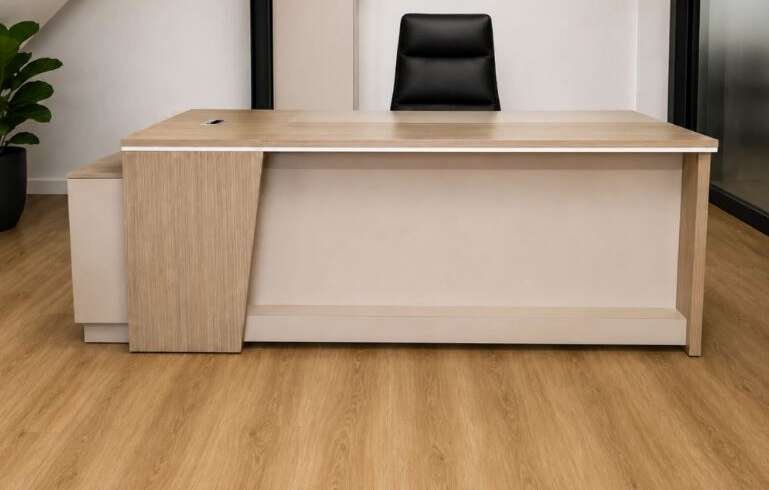

A well-designed office creates an environment where employees can work comfortably, manage their responsibilities, and maintain an organized routine. Furniture selection plays an important role in achieving this goal because every business needs practical workstations that support its daily operations. From small offices to large corporate buildings, suitable furniture helps improve space utilization and creates a professional atmosphere. Employees need enough room for computers, documents, stationery, and other essential equipment without making their work areas feel crowded. Choosing the right Office Table requires careful consideration of dimensions, materials, design, storage facilities, and employee requirements. Businesses that focus on these factors can create functional workspaces that support productivity while maintaining an attractive interior appearance.
Planning an Office Layout Around Employee Requirements
Every workplace has different operational needs, so furniture arrangements should be planned according to the activities performed by employees. An administrative department may require spacious desks for handling paperwork, preparing reports, and organizing office supplies. Employees working with computers may need additional room for monitors, keyboards, and electronic accessories. Managers may prefer larger workstations that provide space for reviewing documents and holding short discussions.
Before purchasing furniture, businesses should evaluate the number of employees, available floor space, and equipment requirements. This information helps determine the appropriate dimensions and arrangement of individual workstations. Proper planning also ensures that employees have enough room to move their chairs and access storage facilities.
A balanced office layout should provide comfortable working areas without overcrowding the room. Businesses should leave sufficient space between desks, cabinets, and other furniture to maintain accessibility throughout the workplace.
Contemporary Designs That Suit Professional Interiors
Furniture design influences the overall appearance of an office. Modern businesses often prefer simple structures, practical features, and finishes that complement their interior themes.
Minimalist designs are suitable for workplaces that prefer clean and uncluttered environments. Their straightforward appearance makes them useful in small offices, creative studios, and corporate workspaces. Neutral colors and simple finishes can also make it easier to coordinate different furniture pieces.
Executive tables generally feature larger surfaces and distinctive finishes. They are commonly installed in management cabins and private offices where employees need additional space for documents, computers, and meetings.
L-shaped workstations provide extended working areas while making effective use of corners. They are useful for employees who perform several tasks at the same desk. Modular designs are another option for businesses that want flexibility when arranging multiple workstations.
Selecting Suitable Dimensions for Different Workspaces
Furniture dimensions should match the room size and the activities performed at each workstation. Choosing a desk that is too large can restrict movement, while a smaller option may not provide enough room for necessary equipment.
Measuring the available area before purchasing furniture is an important step. Businesses should consider the placement of windows, doors, electrical outlets, storage cabinets, and other office equipment. They should also allow sufficient space for chairs and walking paths.
Compact desks are practical for smaller offices because they provide working surfaces without occupying excessive floor space. Corner designs can also make use of areas that might otherwise remain empty. Larger workplaces may benefit from shared workstations and modular arrangements that accommodate several employees.
The goal should be to create a layout where employees have enough personal workspace while maintaining convenient access to other office areas.
Understanding Different Office Furniture Materials
Material selection affects furniture durability, appearance, and maintenance requirements. Businesses should compare available materials before making a purchasing decision.
Engineered wood is commonly used in commercial furniture because it offers flexibility in design and finishing. It is available in different styles and can suit various office interiors. Laminated surfaces are another popular choice because they offer multiple colors and textures while being relatively easy to clean with suitable products.
Solid wood provides a natural appearance and can complement traditional or executive office interiors. However, its price and maintenance requirements vary according to the wood type and finishing process.
Metal frames are frequently combined with wooden or laminated tabletops to provide structural support. These combinations can be suitable for workstations that experience regular daily use.
Buyers should inspect tabletop thickness, frame strength, edge finishing, drawer mechanisms, and overall construction. Evaluating these details helps businesses select furniture that meets their expected usage requirements.
Ergonomic Features for a Comfortable Working Environment
Employee comfort is an important consideration when furnishing an office. Workers who spend several hours at their desks need suitable furniture dimensions and enough room to maintain comfortable sitting positions.
The working surface should allow employees to position their arms naturally while typing or writing. Adequate legroom is equally important because restricted space underneath a desk can make sitting uncomfortable.
Computer users should also consider monitor placement. Screens should be positioned at a comfortable viewing height and distance. Keyboards and mice should remain within easy reach to reduce unnecessary stretching.
A supportive office chair should complement the workstation. Adjustable chairs, monitor stands, and appropriate lighting can further improve the working environment. Businesses should consider the responsibilities of different employees when planning workstation dimensions.
Storage Features That Help Reduce Workplace Clutter
An organized workspace allows employees to locate important materials without wasting time. Storage features are therefore an important part of practical office furniture.
Built-in drawers provide convenient space for stationery, personal belongings, and small supplies. Side cabinets can accommodate files, folders, and business records. Open shelves are useful for storing materials that employees need to access frequently.
Modern workstations may also include cable management openings that help organize wires connected to computers and other electronic devices. Proper cable arrangements create a cleaner appearance and make workstation cleaning easier.
Mobile pedestals are another useful addition because they can be moved according to changing office requirements. Businesses can also combine desks with separate filing cabinets when additional storage is necessary.
Choosing the right storage facilities helps employees maintain organized work areas without adding unnecessary furniture to the office.
Furniture Solutions for Corporate and Small Business Offices
Different business environments require different furniture arrangements. Small companies often need compact and multifunctional designs because they have limited office space. Furniture with integrated storage can help them maintain organized workstations without purchasing several separate units.
Corporate offices may require coordinated furniture across multiple departments. Individual desks, shared workstations, and modular systems can help accommodate different employee responsibilities.
Executive cabins often benefit from spacious furniture with professional finishes and practical storage. Conference rooms require larger tables that provide enough room for participants, laptops, documents, and presentation materials.
Reception areas need functional desks that create a welcoming first impression. These workstations should accommodate computers, visitor records, communication equipment, and other front-office supplies.
Schools, hospitals, and government institutions may have additional requirements depending on their daily activities. Selecting furniture according to the purpose of each area helps businesses create more effective interiors.
Budget Planning Before Purchasing Office Furniture
A clear budget helps businesses compare available options and avoid unnecessary expenses. Before purchasing furniture, companies should identify the number of required workstations, preferred materials, storage needs, and customization requirements.
Comparing suppliers can provide a better understanding of different designs, construction quality, and pricing. However, the lowest purchase price should not be the only deciding factor. Furniture with poor construction may require frequent repairs or early replacement.
Buyers should check the stability of frames, quality of surfaces, drawer operation, and finishing details. It is also useful to ask about warranty coverage, delivery arrangements, installation services, and after-sales assistance.
For large office projects, coordinated furniture can create a consistent appearance across departments. Businesses should balance visual preferences with practical requirements to achieve better long-term value.
Maintaining Office Furniture for Lasting Quality
Regular maintenance helps preserve furniture quality and keep workspaces presentable. Employees should clean surfaces using soft cloths and products suitable for the material. Excessive moisture and harsh chemicals should be avoided because they may damage certain finishes.
Heavy equipment should be distributed evenly across the working surface. Desk mats and organizers can help prevent scratches caused by stationery and electronic accessories.
Businesses should also inspect furniture fittings periodically. Loose screws, damaged edges, unstable frames, and faulty drawers should be repaired when necessary.
Keeping workstations organized makes daily cleaning easier and helps reduce unnecessary wear. These simple maintenance practices can extend furniture life and protect business investments.
New Developments in Workplace Furniture Design
Modern offices increasingly require furniture that supports changing work arrangements and technology-based activities. Modular workstations are useful for companies that expect their teams or office layouts to change over time.
Multifunctional furniture is another practical option. Designs that combine working surfaces with drawers and shelves can help smaller offices use their available space efficiently.
Businesses are also paying attention to sustainable materials. Responsibly sourced wood, recyclable components, and durable finishes may support more responsible purchasing decisions.
Technology-friendly features are equally important. Cable management systems, charging access, and equipment-friendly surfaces can make computer-based workstations more convenient for employees.
Frequently Asked Questions
How Do I Choose the Right Office Table?
Consider available space, employee responsibilities, material quality, storage requirements, and the equipment that will be placed on the workstation.
Which Design Is Best for a Small Office?
Compact rectangular desks, corner workstations, and modular furniture are useful options for smaller workplaces.
Are Metal Frames Suitable for Office Furniture?
Yes. Quality metal frames can provide structural support and work well with wooden or laminated tabletops.
What Makes an Office Workstation Comfortable?
Suitable dimensions, adequate legroom, proper monitor placement, and a supportive chair contribute to a comfortable workstation.
Why Should Businesses Consider Built-In Storage?
Built-in drawers and compartments help organize office supplies and documents while keeping the working surface less cluttered.
How Can Office Furniture Be Protected From Damage?
Regular cleaning, careful handling, suitable surface protection, and periodic inspections can help maintain furniture quality.
Conclusion
Choosing the right furniture helps businesses create workspaces that support employee comfort, efficient organization, and professional presentation. Companies should evaluate dimensions, materials, storage facilities, ergonomic requirements, and construction quality before purchasing new furniture. Different departments may need different workstation arrangements, making proper planning essential for successful office furnishing. Regular maintenance can further protect furniture quality and reduce unnecessary expenses. Modern office table designs can help businesses explore practical furniture options that combine attractive finishes, useful features, and functional arrangements for professional working environments.