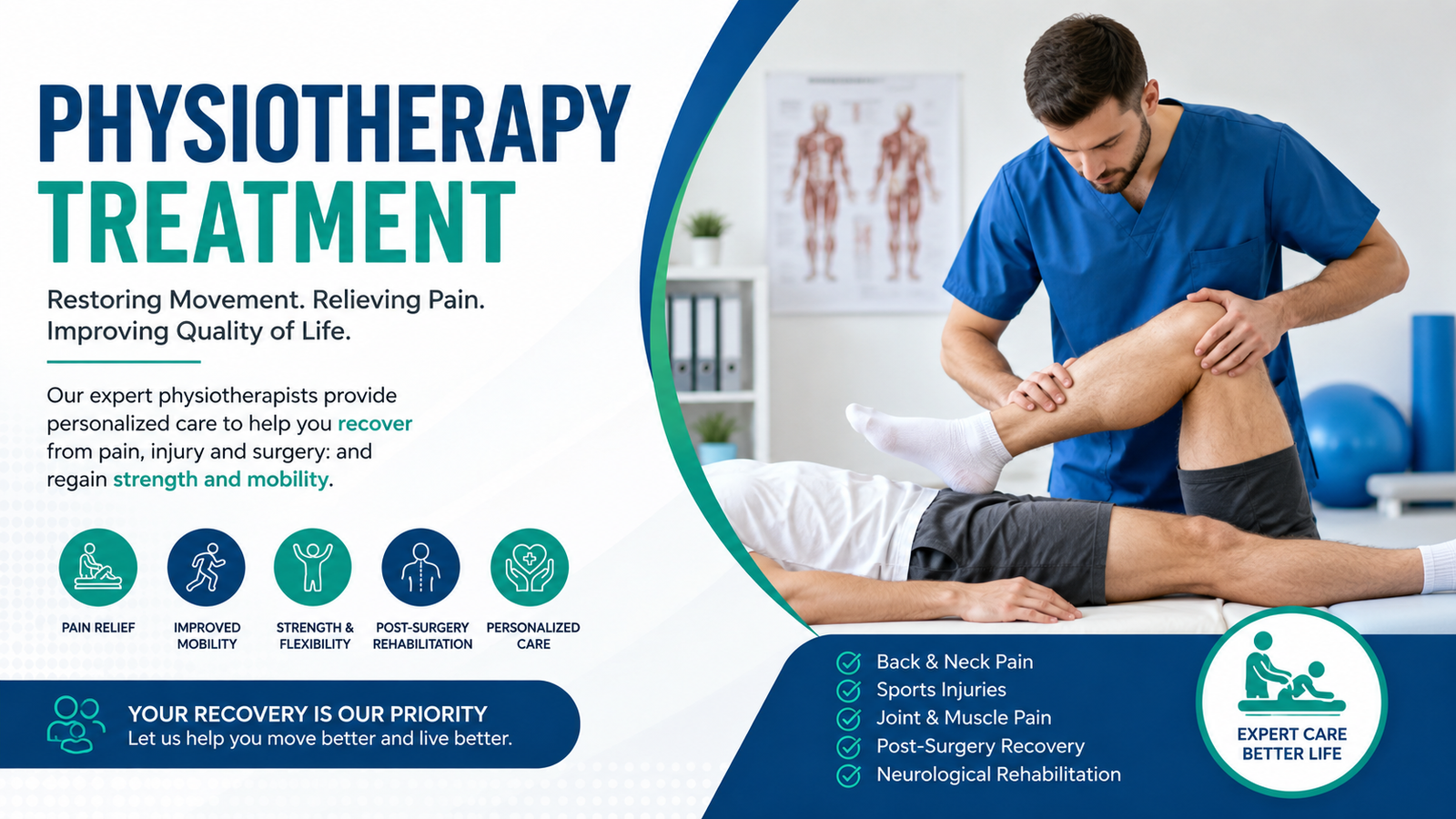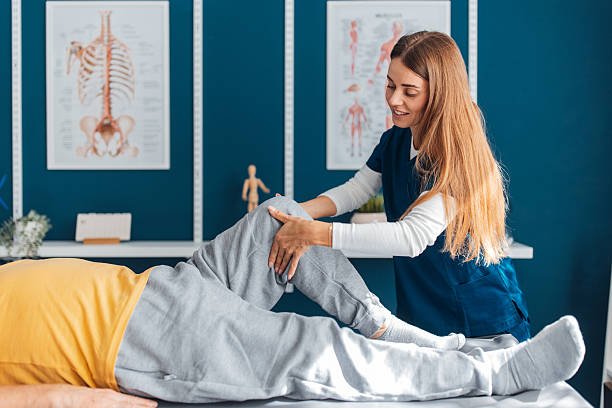

Knee pain can make simple daily activities feel difficult. Walking, climbing stairs, bending, standing, and exercising may become uncomfortable when the knee is not working properly. This problem can affect people of different ages, including athletes, working adults, and older individuals. Some people experience discomfort after an injury, while others develop it slowly because of joint changes, muscle weakness, or repeated pressure on the knees.
Chiropractic care may help manage certain types of knee pain by improving joint movement, addressing muscle tension, and supporting better body mechanics. Chiropractors evaluate how the knees, hips, ankles, and surrounding muscles work together to identify possible sources of discomfort. With an individualised treatment plan, chiropractic care can support mobility, improve movement patterns, and help patients return to their daily activities more comfortably.
Common Causes of Knee Pain
The knee is one of the most important joints in the body. It connects the upper and lower parts of the leg and helps with walking, running, jumping, and bending. It includes bones, muscles, ligaments, tendons, and cartilage that work together to support movement.
When any of these parts become injured, irritated, or weak, discomfort may develop. Some common causes include:
- Muscle weakness: Weak muscles around the thighs and hips can affect knee support.
- Sports injuries: Running, jumping, and sudden changes in direction can put extra pressure on the knees.
- Joint wear: Changes in the knee joint over time may lead to stiffness and discomfort.
- Poor movement habits: Incorrect walking or exercise techniques can place extra stress on the knees.
- Overuse: Repeating the same movements without enough rest may irritate the surrounding tissues.
- Previous injuries: Old injuries can affect knee strength, stability, and movement.
Finding the possible cause of discomfort is an important first step toward choosing the right treatment.
How Chiropractic Care Helps Manage Knee Pain
Chiropractic care focuses on how the joints, muscles, and other parts of the body work together. Although many people connect chiropractic treatment with the spine, chiropractors may also assess other joints and muscles, including those around the knees.
Depending on the patient’s condition, different treatment methods may help improve movement and support better joint function.
Improving Joint Movement
Stiffness in the knee can make it harder to bend or straighten the leg. Problems with the hips, ankles, or other nearby joints may also affect how the knee moves.
A chiropractor may use gentle joint movements and mobilization techniques to address restricted movement in suitable areas. These techniques are selected according to the patient’s condition and comfort level.
Improved joint movement may help make daily activities easier, such as walking, standing, and bending the knee. However, treatment should always depend on the cause of the problem.
Reducing Muscle Tightness
The muscles around the knees help support the joints and control leg movement. The quadriceps, hamstrings, calves, and hip muscles all play an important role in keeping the lower body stable.
When these muscles become tight or weak, they may affect how the knee moves. This can increase pressure on certain areas of the joint and make movement uncomfortable.
Chiropractors may use soft tissue techniques, stretching, and exercise recommendations to address muscle problems.
These methods may help:
- Reduce tightness in the muscles around the knee.
- Improve flexibility in the legs and hips.
- Support better leg movement.
- Improve muscle balance and control.
Supporting Better Body Alignment
The knees do not work alone. The hips, pelvis, ankles, and feet also affect how the legs move and carry body weight.
For example, limited ankle movement or weak hip muscles may change the way a person walks. Over time, these movement patterns may place extra stress on the knees.
A chiropractor may assess posture, walking habits, and lower-body movement to identify possible problems. Treatment may include suitable joint techniques, stretching, and exercises to improve movement in the surrounding areas.
Better movement patterns can help reduce unnecessary stress on the knees and support everyday activities.
The Importance of Exercise for Knee Health
Exercise plays an important role in maintaining strong muscles and healthy joints. The right exercises can improve flexibility, build strength, and help support the knees during daily activities.
A chiropractor may suggest exercises based on the patient’s condition, physical ability, and treatment goals.
Some useful exercises may include:
- Straight-leg raises: Help strengthen the muscles at the front of the thighs.
- Hamstring stretches: Help improve flexibility in the back of the legs.
- Glute bridges: Help strengthen the hip and glute muscles.
- Calf stretches: Help improve flexibility around the lower legs and ankles.
- Stationary cycling: Provides gentle movement that may help maintain knee mobility.
It is important to start slowly and use the correct technique. Exercises should not cause increased discomfort. Patients should discuss any pain during exercise with their healthcare professional before continuing.
Chiropractic Techniques That May Support Knee Health
Chiropractors may use different techniques depending on the patient’s symptoms and physical condition. Not every treatment is suitable for every person, so a proper assessment is important before starting care.
Some common approaches include:
Joint mobilization: Gentle movements may help improve flexibility in joints with restricted movement.
Soft tissue therapy: Hands-on techniques may help reduce tightness in the muscles and surrounding tissues.
Stretching exercises: These help improve muscle flexibility and support comfortable leg movement.
Strengthening exercises: These help build stronger muscles around the knees, hips, and lower legs.
Movement guidance: Advice about walking, standing, and exercising may help patients develop better movement habits.
These approaches may be included in a treatment plan to support knee function and improve daily movement.
How Chiropractic Care May Help Athletes
Athletes and active individuals place regular demands on their knees. Activities such as running, cycling, weightlifting, jumping, and playing sports require strong muscles and good joint movement.
When training becomes too intense or the body does not get enough recovery time, the knees may become irritated. Muscle weakness and poor movement habits can also increase the risk of discomfort.
Chiropractic care may help athletes understand how their joints and muscles are working. A chiropractor can assess movement, flexibility, and muscle function to identify areas that may need attention.
Some ways chiropractic care may support active individuals include:
- Improving movement in the hips, knees, and ankles.
- Addressing muscle tightness after physical activity.
- Supporting better flexibility and joint movement.
- Recommending exercises to improve strength and stability.
- Providing guidance on safe movement during recovery.
Athletes with serious injuries, such as ligament damage, cartilage tears, or fractures, should receive proper medical evaluation before beginning chiropractic treatment.
Daily Habits That Can Help Protect Your Knees
Along with professional care, simple changes in daily habits can help reduce pressure on the knees. Healthy routines may also support better movement and long-term joint function.
Here are some useful habits to follow:
- Maintain a healthy weight: This can help reduce the amount of pressure placed on the knees.
- Wear comfortable shoes: Supportive footwear can improve comfort and stability while walking.
- Warm up before exercise: Gentle movements prepare the muscles and joints for physical activity.
- Avoid sudden changes in exercise: Increase workout time and intensity gradually.
- Take regular breaks: Avoid sitting or standing in the same position for too long.
- Give your body enough rest: Recovery time helps muscles and joints adjust after physical activity.
Following these habits can help support knee health and make daily movement more comfortable.
When Should You Seek Professional Help?
Knee discomfort should not be ignored, especially when it continues for several days or starts affecting everyday activities. The cause may be related to muscles, joints, ligaments, or other structures that need proper attention.
You should consider getting a professional assessment if you experience:
- Regular discomfort while walking or climbing stairs.
- Stiffness when bending or straightening the knee.
- Swelling around the knee joint.
- Difficulty standing or moving comfortably.
- Discomfort that returns after physical activity.
Seek immediate medical attention if you experience severe pain after an injury, major swelling, a visible change in the shape of the knee, or an inability to put weight on the leg. A hot, red knee with fever also needs urgent medical evaluation.
A proper examination can help identify the cause of the problem and determine whether chiropractic care, medical treatment, or another approach is suitable.
Final Thoughts
Knee pain can affect your ability to walk, exercise, and enjoy everyday activities. Taking care of your knees and understanding the reason behind your discomfort are important steps toward better movement and joint health.
Chiropractic care may help manage certain knee-related problems by addressing joint movement, muscle tightness, flexibility, and body mechanics. When combined with suitable exercises and healthy daily habits, it may support better mobility and help patients stay active.
If you are looking for professional guidance and care options, visiting a Chiropractor San Francisco can be a helpful step toward understanding your knee concerns and exploring suitable treatment options. A personalized approach can help you work toward better movement, improved comfort, and an active lifestyle.
Taking early steps to address knee discomfort can make it easier to maintain healthy movement and enjoy your daily routine.