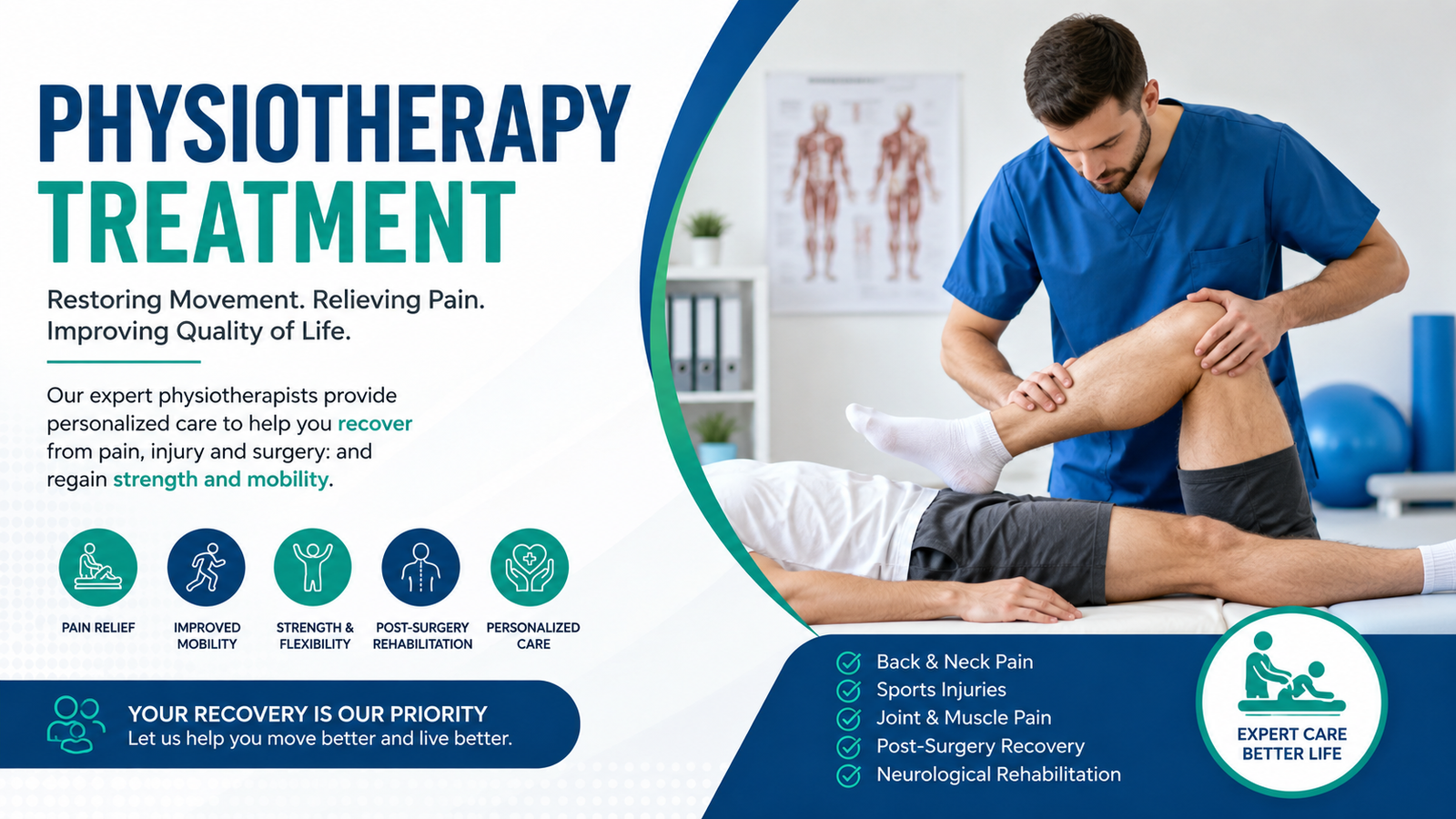

Running is a popular way to stay fit, improve cardiovascular health and maintain an active lifestyle. However, regular running can also place considerable stress on muscles, joints, tendons and ligaments. Whether you are a beginner, an experienced runner or someone preparing for a sporting event, injuries can sometimes interrupt your training and affect everyday activities.
Understanding the causes of running injuries and seeking appropriate treatment can help prevent minor discomfort from becoming a long-term problem. Running injuries pain physiotherapy focuses on identifying the source of pain, improving movement, restoring muscle strength and supporting a safe return to physical activity.
At PhysioAsia, physiotherapy focuses on individual needs and rehabilitation goals, helping people work towards better mobility, improved physical function and a more active lifestyle.
Understanding Common Running Injuries
Running involves repetitive movements that require coordination between the feet, ankles, knees, hips and lower back. When these structures experience excessive stress or insufficient recovery, different types of injuries may develop.
Some common running-related injuries include:
- Runner’s Knee
Runner’s knee is commonly associated with pain around or behind the kneecap. It may become noticeable when running downhill, climbing stairs, squatting or sitting for extended periods. Muscle weakness, training changes and movement patterns can contribute to symptoms.
- Shin Splints
Shin splints cause pain along the front or inner side of the lower leg. They are frequently associated with repetitive impact, sudden increases in running distance and inadequate recovery between training sessions.
- Achilles Tendinopathy
The Achilles tendon connects the calf muscles to the heel bone. Repetitive loading can irritate this tendon, causing stiffness or discomfort, particularly during running, jumping or walking after periods of rest.
- Plantar Fasciitis
Plantar fasciitis affects the thick band of tissue supporting the bottom of the foot. Individuals may experience heel pain, especially during their first steps in the morning or after prolonged sitting.
- Hamstring and Calf Strains
Sudden acceleration, intense training or insufficient preparation can contribute to muscle strains. These injuries may cause pain, tightness and difficulty continuing physical activities.
Recognising these symptoms early can help individuals seek appropriate assessment and avoid unnecessary strain.
How Running Injuries Pain Physiotherapy Supports Recovery
Physiotherapy plays an important role in managing running-related injuries. Rather than focusing only on reducing pain, treatment aims to understand why the injury developed and address the factors affecting movement and performance.
A physiotherapist may begin by assessing running history, training intensity, muscle strength, joint mobility, flexibility and movement patterns.
Based on the findings, a personalised treatment programme may include:
- Pain Management
Appropriate physiotherapy techniques and activity adjustments can help manage discomfort while supporting recovery.
- Strengthening Exercises
Strengthening the calves, quadriceps, hamstrings, gluteal muscles and core can improve stability and help the body tolerate running demands.
- Flexibility and Mobility Training
Targeted exercises can improve movement around the hips, knees and ankles while addressing restrictions that may affect running mechanics.
- Gait and Running Analysis
Understanding how someone runs can help identify movement patterns that may contribute to excessive loading. Where appropriate, gait assessment can guide changes to running technique.
- Gradual Return-to-Running Programmes
Returning to running too quickly may increase the risk of recurring symptoms. A structured programme helps individuals gradually rebuild endurance, strength and confidence.
The treatment plan should always reflect the individual’s injury, fitness level and recovery progress.
The Importance of Sports Injury Physiotherapy
Running injuries are one part of a wider group of physical problems experienced by active individuals and athletes. Sports activities involve repetitive movements, sudden acceleration, jumping and changes in direction, all of which can place additional demands on the body.
Sports injury physiotherapy helps individuals recover from activity-related injuries while improving physical strength, flexibility and movement control.
Common sports injuries that may benefit from physiotherapy include:
- Muscle strains and ligament sprains.
- Knee injuries and joint discomfort.
- Ankle sprains and instability.
- Shoulder injuries caused by repetitive movements.
- Tendon-related pain.
- Lower back discomfort associated with physical activity.
Sports rehabilitation often combines progressive strengthening, mobility exercises, balance training and functional movement practice.
For athletes, the goal is not simply to return to exercise but to regain the strength and control required to participate safely. A suitable rehabilitation programme can also help individuals understand training loads, recovery requirements and injury prevention strategies.
Why Proper Running Technique and Training Matter
Many running injuries develop gradually rather than from a single incident. Repeating the same movement without sufficient recovery can place stress on particular muscles, tendons and joints.
Some training habits that may contribute to running injuries include:
- Increasing running distance too quickly.
- Exercising intensely without adequate recovery.
- Running with insufficient preparation or warm-up.
- Ignoring early signs of pain or stiffness.
- Wearing unsuitable or worn-out running footwear.
- Neglecting strength and flexibility training.
To support healthier running habits, individuals should increase training intensity gradually, allow adequate recovery time and include appropriate strengthening exercises in their routine.
If discomfort continues or affects running performance, a professional assessment can help identify possible contributing factors.
Physiotherapy for Artists: Supporting Movement Beyond Sports
Physical injuries are not limited to runners and athletes. Performing artists, musicians, dancers and other creative professionals also depend on physical strength, flexibility, coordination and endurance.
Long rehearsals, repetitive movements, demanding performances and sustained postures can contribute to muscle tension, joint discomfort and overuse injuries.
Physiotherapy for artists focuses on the physical demands associated with creative and performing activities.
Common concerns among performing artists include:
- Neck and shoulder stiffness from prolonged practice.
- Back discomfort associated with sustained postures.
- Wrist and elbow pain caused by repetitive movements.
- Hip and knee discomfort during dance and performance.
- Muscle fatigue and reduced flexibility.
- Movement restrictions affecting performance quality.
Physiotherapy may include posture assessment, strengthening exercises, mobility training, movement education and activity-specific rehabilitation.
For artists, maintaining physical health is important because even minor discomfort can affect practice, performance and professional commitments. A personalised rehabilitation approach can help them manage physical demands and maintain better movement quality.
Choosing the Right Physiotherapy Clinic Singapore
Selecting an appropriate physiotherapy provider is an important step towards effective recovery. Different injuries require different treatment approaches, and a personalised assessment can help identify the most suitable rehabilitation programme.
When looking for a physiotherapy clinic Singapore, consider the following factors:
Individual Assessment: A suitable clinic should take time to understand your symptoms, medical history, activity levels and treatment goals.
Personalised Treatment: Rehabilitation should be adapted to your condition rather than relying on the same exercises for everyone.
Qualified Physiotherapy Professionals: Look for appropriately registered and qualified physiotherapists with relevant clinical experience.
Clear Communication: Understanding your condition, treatment options and recovery expectations can help you participate actively in rehabilitation.
Convenient Treatment Options: Consider whether the clinic offers services that fit your schedule, location and rehabilitation requirements.
Choosing the right physiotherapy support can make the rehabilitation process more organised and help you work towards meaningful improvements.
Finding Affordable Physiotherapy Services in Singapore
Access to appropriate rehabilitation is important for people experiencing sports injuries, running-related pain or everyday movement difficulties. However, treatment costs and convenience can influence decisions about seeking professional help.
Finding affordable physiotherapy services does not necessarily mean choosing the cheapest available option. It is important to consider the overall value of treatment, including assessment quality, personalised care, professional guidance and rehabilitation planning.
Before choosing a physiotherapy service, consider:
- Whether the treatment approach suits your specific condition.
- Whether the physiotherapist explains the rehabilitation process clearly.
- Whether the recommended programme includes appropriate home exercises.
- Whether appointment arrangements are convenient.
- Whether the treatment costs and available packages are explained transparently.
A well-planned rehabilitation programme can help individuals understand their recovery needs and make informed decisions about their physical health.
What to Expect During a Physiotherapy Appointment
If you are attending physiotherapy for the first time, understanding the process can make the experience more comfortable.
A typical appointment may involve several stages:
Initial Consultation: The physiotherapist discusses your symptoms, injury history, exercise routine and everyday activities.
Physical Assessment: Muscle strength, joint mobility, flexibility, balance and functional movements may be evaluated.
Treatment Planning: A personalised rehabilitation programme is developed according to your condition and recovery goals.
Guided Treatment: Depending on the assessment, treatment may include strengthening exercises, mobility work, manual therapy and movement training.
Progress Evaluation: Your progress is reviewed regularly, and exercises are adjusted as your strength and physical function improve.
Following professional guidance and completing recommended home exercises can support consistency throughout rehabilitation.
Practical Tips to Prevent Running Injuries
Although not every running injury can be prevented, adopting healthier training habits can help reduce unnecessary stress on the body.
Consider these practical recommendations:
- Warm up before running with appropriate dynamic movements.
- Increase running distance and intensity gradually.
- Include strength training to support muscles and joints.
- Allow sufficient rest between demanding training sessions.
- Wear appropriate running shoes.
- Pay attention to changes in pain, stiffness or movement.
- Maintain good hydration and recovery habits.
- Seek professional advice if symptoms persist or worsen.
Remember that pain is not something you should consistently ignore. Adjusting your activity and seeking an appropriate assessment can help prevent further problems.
Get the Right Physiotherapy Support at PhysioAsia
Running injuries, sports-related pain and physical discomfort can affect your ability to enjoy exercise, work and everyday activities. The right physiotherapy approach can help identify contributing factors, improve movement and support a gradual return to the activities you enjoy.
At PhysioAsia, the focus is on individual rehabilitation needs and suitable physiotherapy approaches. Whether you are managing a running injury, recovering from a sports-related condition or experiencing physical discomfort associated with performing activities, professional guidance can help you understand your treatment options.
If you are searching for running injuries pain physiotherapy, sports injury physiotherapy or affordable physiotherapy services in Singapore, exploring suitable rehabilitation options is a positive step towards improving your physical function.
Visit PhysioAsia to learn more about its physiotherapy services and find support for your rehabilitation needs.
Frequently Asked Questions (FAQs)
- Can physiotherapy help with running injuries?
Yes. Physiotherapy can help manage running-related injuries through appropriate strengthening exercises, mobility training, movement assessment and rehabilitation planning. Treatment depends on the type and severity of the injury.
- What are the most common running injuries?
Common running injuries include runner’s knee, shin splints, Achilles tendinopathy, plantar fasciitis and hamstring strains. These conditions may develop due to repetitive stress, training changes or inadequate recovery.
- When should I visit a physiotherapist for a running injury?
Consider seeing a physiotherapist when pain persists, affects your running performance, limits movement or repeatedly returns after exercise. Severe or sudden injuries may require prompt medical assessment.
- Is sports injury physiotherapy suitable for non-athletes?
Yes. Sports injury physiotherapy can also benefit recreational runners, gym enthusiasts and individuals who experience injuries during everyday physical activities.
- Can physiotherapy help performing artists?
Yes. Physiotherapy for artists can address physical concerns associated with repetitive movements, prolonged practice and demanding performance schedules. Treatment may include posture training, strengthening and mobility exercises.
- How do I choose a physiotherapy clinic in Singapore?
Look for a clinic with qualified physiotherapists, individual assessments, personalised rehabilitation programmes, clear communication and transparent treatment costs.
- How can I find affordable physiotherapy services?
Compare treatment options, appointment arrangements and the overall quality of care. Choose a service that offers appropriate assessment and rehabilitation guidance suited to your needs.