
Commercial buildings require consistent attention to remain safe, functional, and efficient. From office complexes and retail spaces to warehouses and industrial facilities, every property depends on properly maintained systems and infrastructure. Even minor maintenance issues can disrupt daily operations, affect employee productivity, and create unexpected expenses when left unresolved. This is why professional commercial building maintenance services play an important role in protecting property investments and supporting smooth business operations.
A well-maintained building does more than create a positive impression. It provides a comfortable environment for employees, customers, tenants, and visitors while helping businesses avoid unnecessary operational challenges.
Why Commercial Building Maintenance Matters
Commercial properties experience continuous use, which gradually affects their equipment, structural components, and essential systems. Air conditioning units operate for extended hours, electrical installations handle demanding workloads, and plumbing systems require regular inspection to prevent leaks and blockages.
Without a structured maintenance approach, small defects can develop into expensive repairs. For example, an unnoticed water leak may damage ceilings, walls, electrical installations, and interior finishes. Similarly, poorly maintained cooling equipment can increase energy consumption and affect indoor comfort.
Professional maintenance helps property owners identify potential problems early, manage repair costs, and maintain consistent building performance. It also supports compliance with relevant safety requirements and reduces the likelihood of unexpected equipment failures.
Essential Services Included in Commercial Building Maintenance
Commercial building maintenance covers several technical and operational activities. The exact requirements depend on the building’s size, purpose, age, and daily usage.
- HVAC Maintenance
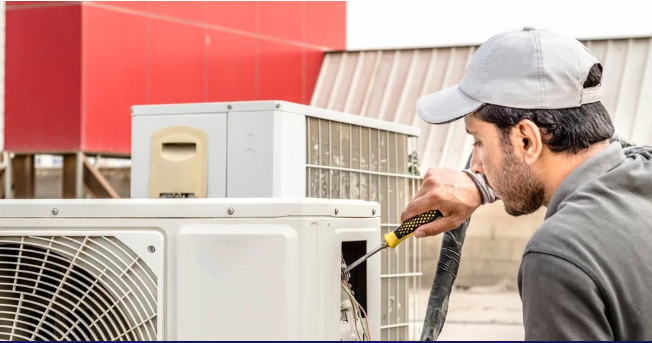
Heating, ventilation, and air conditioning systems are essential for maintaining comfortable indoor environments. Regular servicing includes filter replacement, equipment inspection, cleaning, refrigerant checks, and performance testing. Proper HVAC maintenance improves system efficiency, supports indoor air quality, and reduces the risk of unexpected breakdowns.
- Electrical Maintenance
Electrical systems require professional inspection to maintain safe and reliable operations. Maintenance activities may include checking distribution boards, inspecting wiring, testing electrical components, replacing damaged fittings, and identifying potential faults. Preventive electrical maintenance helps reduce safety risks and supports uninterrupted business activities.
- Plumbing and Drainage Services
Water supply and drainage systems are used throughout commercial properties. Routine maintenance helps identify leaking pipes, blocked drains, faulty fixtures, and water pressure problems. Addressing these issues early protects building infrastructure and prevents unnecessary water damage.
- Structural and General Repairs
Walls, ceilings, floors, doors, windows, and other building components experience regular wear and tear. General maintenance services address cracks, damaged finishes, loose fittings, and other defects before they affect the property’s appearance or functionality.
- Fire Safety and Protection Systems
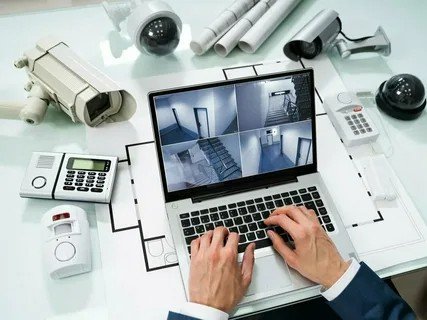
Fire safety equipment must remain operational and properly maintained. Inspections may cover fire alarms, emergency lighting, extinguishers, and related protection systems. Regular checks help property managers maintain safety standards and ensure that essential equipment is ready when needed.
Preventive Maintenance Versus Reactive Repairs
One of the most important decisions for commercial property owners is choosing between preventive maintenance and reactive repairs.
Reactive maintenance focuses on fixing problems after equipment or building components have failed. Although this approach may appear less expensive initially, unexpected breakdowns can lead to business interruptions, emergency repair costs, and additional damage.
Preventive maintenance follows a planned schedule of inspections, servicing, and component replacements. Instead of waiting for problems to occur, technicians monitor building systems and address potential concerns before they become serious.
For commercial properties with continuous operations, preventive maintenance offers better cost control, improved equipment reliability, and more predictable maintenance planning.
How Professional Maintenance Supports Business Efficiency
A properly maintained commercial property creates practical advantages for businesses and property managers. Reliable building systems reduce interruptions and allow employees to focus on their responsibilities rather than dealing with recurring facility problems.
Energy efficiency is another important consideration. Regular servicing of HVAC equipment, lighting systems, and electrical installations can help identify unnecessary energy consumption. Even relatively small improvements can contribute to lower operating expenses over time.
Building appearance also influences how customers, business partners, and visitors perceive an organisation. Clean interiors, functional facilities, and well-maintained common areas communicate professionalism and attention to detail.
Choosing the Right Commercial Building Maintenance Provider
Selecting a reliable maintenance partner requires more than comparing service prices. Property owners should consider the provider’s technical expertise, experience with similar buildings, workforce capabilities, and ability to manage different maintenance requirements.
A professional company should offer clear maintenance schedules, responsive repair support, qualified technicians, and transparent reporting. It should also understand the importance of minimising disruption, particularly in offices, shopping centres, healthcare facilities, and operational warehouses.
Flexible maintenance agreements can be valuable for businesses with changing operational requirements. Whether a property needs routine inspections, scheduled servicing, or comprehensive facility support, the service arrangement should reflect its actual maintenance needs.
Conclusion
Commercial properties require consistent care to maintain operational efficiency, safety, and long-term value. Investing in professional commercial building maintenance services helps businesses prevent costly failures, improve building performance, and provide a better environment for employees and visitors.
By prioritising preventive maintenance and working with experienced service providers, property owners can protect their assets, manage operating expenses, and ensure their facilities remain reliable for years to come.