
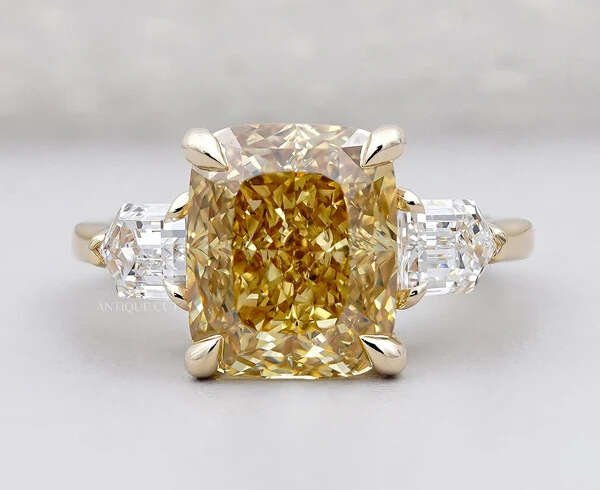

Buying an engagement ring is a big decision, and choosing a yellow diamond makes it even more personal. Its warm color gives it a different look from a traditional white diamond while still offering the beauty and strength people expect from a diamond.
If this is your first time shopping, it is easy to feel confused by different grades, settings, shapes, and prices. This guide explains everything in simple words so you can choose a ring that fits your budget, your style, and your future together.
Why More People Choose Yellow Diamonds
Yellow diamonds stand out because of their natural color. Instead of looking like every other engagement ring, they offer something different without being too bold.
Many buyers choose them because they want:
- A unique engagement ring
- A warm and rich appearance
- Different price options for different budgets
- A diamond that feels personal
Today, both natural and lab-grown options make yellow diamonds available for many price ranges.
Understanding the Color Before You Buy
Unlike white diamonds, where less color is usually preferred, yellow diamonds are valued because of their color.
The stronger and richer the yellow shade, the more valuable the diamond usually becomes.
You may see descriptions such as:
- Light Yellow
- Fancy Light Yellow
- Fancy Yellow
- Fancy Intense Yellow
- Fancy Vivid Yellow
A deeper yellow color generally costs more because it is less common.
Pick the Right Diamond Shape
Shape changes the overall appearance of a ring. Some shapes make the yellow color appear stronger, while others create a larger visual size.
Popular choices include:
Oval
An oval shape makes fingers appear longer and often shows color beautifully.
Cushion
Cushion diamonds are one of the most popular choices because they naturally display yellow tones very well.
Radiant
Radiant cuts combine bright reflections with strong color, making them a favorite for yellow diamonds.
Pear
Pear-shaped diamonds create a distinctive look while making the stone appear larger.
Round
Round diamonds remain a classic option, although they sometimes show slightly less yellow than elongated shapes.
Choose a Setting That Brings Out the Color
The ring setting affects both appearance and durability.
Some popular settings include:
Solitaire
Keeps all attention on the center stone.
Halo
A halo of smaller diamonds makes the center diamond appear larger.
Hidden Halo
Adds extra detail beneath the center stone without changing the top view.
Three-Stone Setting
Represents the past, present, and future while adding extra brilliance.
Yellow gold settings often make yellow diamonds appear richer, while white gold and platinum create more contrast.
Know the Four Quality Factors
Even though yellow diamonds are colored, quality still matters.
Color
The most important factor. Richer yellow color generally increases value.
Cut
A well-cut diamond reflects light better and improves overall appearance.
Clarity
Small inclusions are common, but many are difficult to notice without magnification.
Carat
Larger diamonds are rarer and cost more, so choose a size that fits both your style and budget.
Decide Between Natural and Lab-Grown
Many buyers now compare natural and lab-grown yellow diamonds before making a purchase.
Natural yellow diamonds are formed underground over millions of years and are usually more expensive.
Lab-grown yellow diamonds have the same physical and chemical properties but are created using advanced technology. They often cost much less, allowing buyers to choose a larger stone within the same budget.
If you want excellent value without compromising beauty, lab-grown diamonds are worth considering.
Buy from a Trusted Seller
Before making a purchase, always check:
- Diamond certification
- Return policy
- Warranty
- Customer reviews
- Clear product images
- Detailed specifications
These details help you buy with confidence and reduce surprises after delivery.
In your search, you may also want to Explore Designs of Yellow Diamond Engagement Ring collections from trusted brands. At Antiquecut, buyers can compare different shapes, settings, and certified lab-grown options before making a final decision.
Set a Comfortable Budget
You do not need to spend beyond your comfort level to buy a beautiful ring.
A good budget should consider:
- Diamond size
- Color intensity
- Metal type
- Ring setting
- Certification
Rather than focusing only on carat weight, look for the best balance between quality and price.
Mistakes Many First-Time Buyers Make
Avoid these common mistakes:
- Buying without checking certification
- Choosing size over quality
- Ignoring the setting
- Comparing only prices
- Forgetting long-term maintenance
- Purchasing without reading return policies
A little research today can prevent disappointment later.
How to Care for Your Ring
Keeping your ring clean helps maintain its appearance.
Simple care tips include:
- Clean it with mild soap and warm water.
- Dry it using a soft cloth.
- Remove it during heavy work or sports.
- Store it separately to avoid scratches.
- Have the setting checked occasionally by a jeweler.
These simple habits can help your ring stay in excellent condition for years.
Final Thoughts
Buying an engagement ring is about finding something that feels right for both of you. A yellow diamond offers a different look while giving you many choices in color, shape, setting, and budget.
Take your time comparing quality, certification, and design before making your final decision. When you understand what matters most, choosing the right ring becomes much easier, and you can feel confident that you’ve selected a piece you’ll be happy to wear every day.