

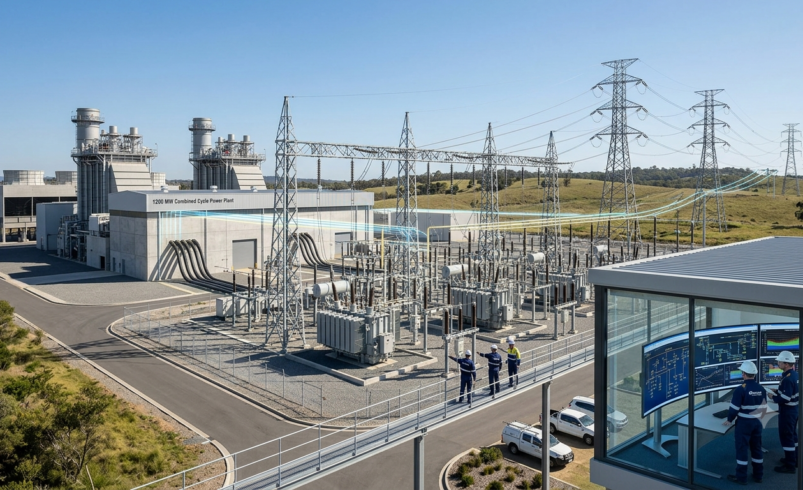

As electricity demand grows and power systems incorporate more renewable and distributed generation, connecting new generation resources to the grid has become increasingly complex. A new power plant, solar facility, wind project, battery system, or other generating resource cannot simply connect to an existing network without evaluating how it will affect the power system.
This is where generation interconnection plays an important role. Through detailed technical assessments, utilities and developers can determine whether a proposed generation facility can connect safely, reliably, and efficiently while maintaining acceptable grid performance.
Professional generator interconnection studies help identify potential system impacts before construction begins. By evaluating voltage, power flow, fault levels, protection, stability, and other technical factors, engineers can develop practical solutions that support dependable grid operation.
What Is Generation Interconnection?
Generation interconnection is the engineering and planning process used to connect a new generation resource to an existing electrical grid. The process evaluates how the proposed facility will interact with nearby transmission and distribution infrastructure.
Every generating facility introduces changes to the network. Depending on its size, location, technology, and operating characteristics, it may affect power flows, voltage levels, short-circuit currents, system stability, and protection coordination.
A well-designed interconnection process identifies these impacts early. This gives developers and utilities an opportunity to address technical challenges before they become expensive construction or operational problems.
For large-scale projects, the process may involve multiple stages of technical analysis, modeling, utility coordination, and compliance review.
Why Generator Interconnection Studies Are Important
Generator interconnection studies provide a technical foundation for determining whether a generation project can be connected without negatively affecting the existing power system.
One important area is power flow analysis. Engineers examine how electricity will move through the network under normal and contingency conditions. This helps identify overloaded transmission lines, transformers, or other equipment that could limit the project’s ability to operate.
Voltage performance is another critical consideration. A new generation source can change voltage conditions at its point of interconnection and throughout the surrounding network. Engineers evaluate these changes and determine whether reactive power equipment, voltage controls, or network upgrades may be required.
Short-circuit analysis is also essential. Connecting new generation can increase fault current levels, potentially exceeding the ratings of existing equipment. Identifying these conditions early allows appropriate mitigation measures to be incorporated into the project design.
Together, these studies help create a safer and more predictable path to grid connection.
Key Areas Evaluated During Grid Connection Studies
Modern grid connection studies typically examine several technical aspects of system performance. The exact scope depends on the size and characteristics of the project, as well as the requirements of the relevant utility or transmission operator.
Power flow studies evaluate system loading and determine whether the network can accommodate the additional generation under normal and contingency conditions.
Short-circuit studies assess fault current contributions and determine whether existing circuit breakers, transformers, and other equipment remain within their interrupting and withstand capabilities.
Voltage and reactive power analysis examines voltage behavior and reactive power requirements. This is particularly important for inverter-based resources and renewable generation facilities.
Transient and dynamic stability studies evaluate how the power system responds to disturbances such as faults, generator outages, or major switching events. These assessments help determine whether the proposed facility could contribute to instability.
Protection coordination studies review protective devices and settings to ensure faults can be detected and isolated appropriately without unnecessary interruptions.
By combining these analyses, engineers develop a comprehensive understanding of how the proposed generation resource will interact with the wider grid.
Supporting Renewable and Modern Energy Projects
Generation interconnection has become even more important as renewable energy projects continue to expand. Solar farms, wind plants, battery energy storage systems, and hybrid facilities can have operating characteristics that differ significantly from traditional synchronous generators.
For example, inverter-based resources may respond differently to voltage disturbances, frequency changes, and system faults. Their performance can depend on control settings, grid strength, and the requirements established by the interconnecting utility.
This makes detailed engineering analysis essential.
Early grid connection studies can help renewable energy developers understand network limitations, identify potential upgrade requirements, and optimize the electrical design of their facilities. Engineers can evaluate alternative interconnection points, equipment configurations, and operating strategies to determine the most practical solution.
This approach can reduce design changes later in the project and improve coordination between developers, utilities, equipment suppliers, and other stakeholders.
How Interconnection Studies Improve Project Planning
A reliable interconnection process does more than determine whether a project can connect. It can also improve overall project planning and investment decisions.
Technical studies can reveal whether transmission upgrades, transformer replacements, reactive power compensation, protection modifications, or other improvements may be necessary. Knowing these requirements early helps project teams develop more realistic budgets and schedules.
Interconnection studies can also identify opportunities to optimize the proposed connection. For example, engineers may compare different points of interconnection or evaluate equipment configurations to determine which option provides the best balance between technical performance, cost, and reliability.
This early engineering insight is especially valuable for large projects, where unexpected grid-related modifications can significantly affect construction schedules and project economics.
Building a More Reliable Connected Grid
Reliable generation interconnection is ultimately about more than connecting one facility to the network. It is about maintaining the performance of the entire electrical system as new generation resources are added.
Professional generator interconnection studies provide the technical insight needed to manage these changes. By evaluating power flows, voltage behavior, fault currents, stability, and protection requirements, engineers can identify risks and develop solutions before a facility begins commercial operation.
For utilities, these studies support safe and coordinated network planning. For developers, they provide greater visibility into technical requirements and potential infrastructure upgrades. For grid operators, they help maintain system reliability as the generation mix evolves.
As power systems become more decentralized, renewable, and digitally controlled, generation interconnection will remain a critical part of modern electrical engineering. A carefully planned connection can help new energy projects operate efficiently while supporting the stability and reliability of the broader grid.
With the right engineering approach, generation interconnection becomes more than a regulatory or technical requirement—it becomes an important tool for building a stronger, more resilient, and future-ready power system.