

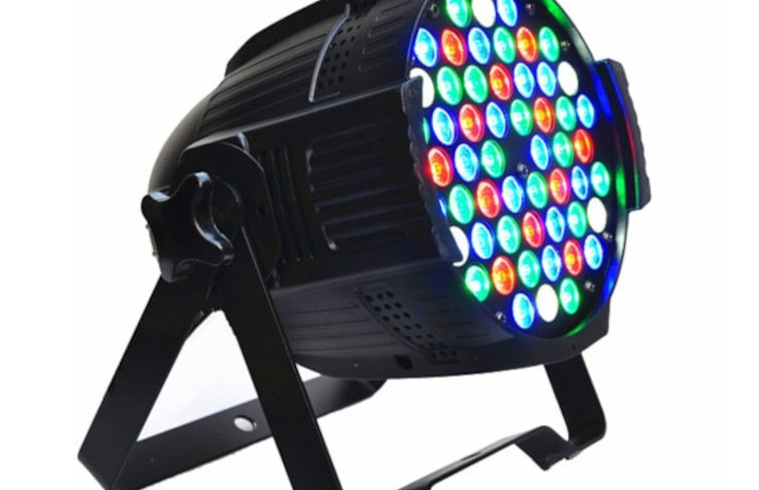

A well-lit yard does more than look nice after sunset — it changes how a property feels, functions, and shows up online when people search for it. That’s where RGBW lighting comes in. This technology has become the go-to choice for outdoor lighting projects because it combines true white illumination with full-color flexibility in a single fixture, giving homeowners control that older lighting systems never offered.
In this guide, you’ll learn how RGBW lighting fits into a broader landscape lighting plan, what roofline lighting adds to a property, and how to find the right lighting consultant for a Long Island home.
Understanding RGBW Lighting in an Outdoor Setting
RGBW fixtures combine red, green, blue, and a dedicated white diode. That fourth diode is the key difference from standard color LEDs — it produces a clean, bright white for everyday use instead of the dim or tinted white that older RGB systems struggle with.
Outdoors, this matters because a yard needs to do two jobs: look great for daily use and adapt for special occasions. RGBW handles both without swapping fixtures or running separate wiring for color and white light.
Key Benefits for Outdoor Use
- Bright, natural white light for security and everyday curb appeal
- Full-color scenes for holidays, parties, and seasonal displays
- App-based scheduling and dimming
- Lower long-term energy costs compared to halogen color systems
Landscape Lighting: Building a Complete Outdoor Plan
Landscape lighting is about more than a few spotlights in the flower beds. A well-designed system layers different types of fixtures to create depth, safety, and visual interest across the entire property.
Core Elements of a Landscape Lighting Design
- Path and walkway lights – Low, downward-facing fixtures for safe navigation
- Uplighting – Fixtures placed at the base of trees, statues, or architectural features, aimed upward
- Garden and bed lighting – Soft accent light that highlights plantings without overpowering them
- Water feature lighting – Submersible or nearby fixtures that highlight ponds, fountains, or pools
Why Layered Lighting Works Better Than Single-Source Lighting
A single floodlight can leave a yard feeling flat and overexposed. Layering multiple light sources at different heights and intensities creates shadow and contrast, which is what actually makes a landscape look designed rather than simply lit. RGBW fixtures make this layering easier because the same fixture line can be used for both white functional lighting and color accent lighting.
Roofline Lighting Service: Adding Definition From Above
A roofline lighting service focuses on the upper portion of a home — eaves, gutters, soffits, and peaks — to frame the structure itself rather than just the landscape around it.
What Roofline Lighting Adds to a Property
- Defines the architectural shape of the home after dark
- Creates a cohesive look when paired with landscape and pathway lighting
- Offers year-round white lighting with the option to switch to color for holidays
- Improves nighttime visibility and perceived security
How Roofline Lighting Is Typically Installed
Fixtures are usually mounted along the fascia or under the eaves, run on weatherproof low-voltage wiring, and tied into the same controller as the rest of the property’s lighting. This lets a homeowner control roofline, landscape, and architectural lighting from one app or panel, adjusting everything from daily white light to full-color holiday scenes in a few taps.
Finding the Best Lighting Consultant for Your Project
Choosing the best lighting consultant for a landscape or roofline project makes a bigger difference than most homeowners expect. Lighting design involves more than picking fixtures — it requires an understanding of angles, glare control, wiring capacity, and how light will behave across seasons.
What a Good Lighting Consultant Should Offer
- A site visit and nighttime assessment before designing the layout
- A written plan showing fixture placement and wiring paths
- Product recommendations rated for outdoor and coastal conditions
- Clear pricing with no vague allowances
Searching “Landscape Lighting Near Me” — What to Look For
When homeowners search landscape lighting near me, the results usually include a mix of national franchises and local specialists. For Long Island properties, working with a local team tends to hold up better over time because:
- Fixtures and wiring are matched to salt air and coastal humidity
- The consultant understands local permitting and electrical code
- Response times for service or adjustments are faster
- Designs reflect the architectural style common across Nassau and Suffolk County homes
Frequently Asked Questions
What is the difference between landscape lighting and roofline lighting? Landscape lighting focuses on the ground-level elements of a property — paths, gardens, and trees — while roofline lighting highlights the upper structure of a home, such as eaves and gutters. Many properties use both together for a complete look.
How much does professional landscape lighting cost? Costs vary based on property size, fixture count, and whether RGBW or single-color LEDs are used, but most homeowners should expect pricing based on a custom design rather than a flat rate, since every layout differs.
Can RGBW lighting be used for both landscape and roofline applications? Yes. RGBW fixtures are commonly used across both applications because the same product line can deliver white light for daily use and color options for special occasions, simplifying design and control.
What should I ask a lighting consultant before hiring them? Ask whether they provide a written design plan, use fixtures rated for outdoor and coastal conditions, offer warranty coverage, and can share examples of past installations similar to your property.
Is landscape lighting worth the investment? Landscape lighting is frequently cited by real estate and design professionals as a high-impact curb appeal upgrade, improving both the evening appearance and functional safety of a property.
Final Thoughts
RGBW lighting has changed what’s possible for outdoor design, giving homeowners a single system that handles landscape lighting, roofline lighting, and everyday white illumination without compromise. Whether you’re planning a full property redesign or adding definition to your home’s roofline, the right design and installation make the difference between a good result and a great one.
If you’re searching for landscape lighting near me and want a plan built specifically for a Long Island property’s climate and architecture, reach out to a local lighting consultant to schedule a nighttime site assessment and get a custom design started.