

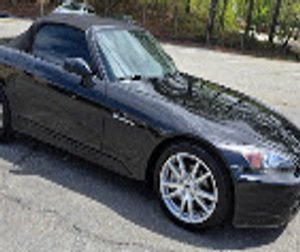

What Is a Complete Car Wash?
A complete car wash is primarily designed to remove everyday dirt and contaminants from a vehicle.
Depending on the service, it may include exterior washing, drying, wheel cleaning, tire cleaning, and basic interior cleaning.
The main objective is straightforward: make the vehicle cleaner and more presentable.
A typical complete wash may involve:
- Pre-rinsing the vehicle
- Applying automotive shampoo
- Cleaning wheels and tires
- Washing exterior panels
- Rinsing thoroughly
- Drying the vehicle
- Cleaning exterior glass
- Vacuuming the interior
- Wiping the dashboard and other accessible surfaces
The exact process varies from one provider to another.
For a regularly maintained vehicle that simply needs routine cleaning, a complete wash can be perfectly adequate.
What Is Full Auto Detailing?
Full auto detailing goes considerably deeper.
Instead of simply removing visible dirt, detailing focuses on thoroughly cleaning, restoring, and protecting different areas of the vehicle.
Exterior detailing may involve paint decontamination, polishing, trim treatment, wheel cleaning, and protective products.
Interior detailing can include deep cleaning of carpets, upholstery, leather, plastics, vents, and other surfaces.
The goal isn’t simply to make the vehicle look clean for a day. A thorough detail addresses accumulated contamination and areas that are frequently missed during routine washing.
The Biggest Difference: Depth of Cleaning
The easiest way to understand the difference is to think about surface cleaning versus detailed cleaning.
A car wash might remove the mud from the outside of your vehicle.
A detailer may also address the contaminants bonded to the paint, clean around emblems, treat the wheels thoroughly, clean door jambs, and inspect areas that aren’t immediately visible.
Inside the vehicle, a basic wash might involve vacuuming the floor and wiping the dashboard.
A full detail can go further by cleaning seat seams, carpet edges, floor mats, door pockets, vents, and hard-to-reach areas.
That extra attention is what separates the two services.
When a Complete Car Wash Makes More Sense
You don’t necessarily need a full detail every time your vehicle gets dirty.
A complete wash is often suitable when:
- The vehicle receives regular maintenance.
- Dirt is primarily on the surface.
- There are no major stains or odors.
- The interior is already in good condition.
- You simply want to remove road grime.
- You need routine cleaning after normal driving.
For example, imagine you drove through rain and muddy roads over the weekend. The exterior may be covered in grime, but the interior remains clean.
A thorough wash may be all that’s needed.
When Full Detailing Is the Better Choice
A full detail becomes more useful when the vehicle needs deeper cleaning or restoration.
Consider detailing if:
- Seats have stubborn stains.
- Carpets contain embedded dirt.
- There are persistent odors.
- Pet hair is difficult to remove.
- The paint looks dull.
- The vehicle has accumulated road contamination.
- You are preparing to sell the vehicle.
- The car has been neglected for an extended period.
A vehicle that hasn’t been professionally cleaned in years may need considerably more attention than one that receives regular washes.
Interior Cleaning: Wash vs. Detail
The interior is one area where the difference can become particularly noticeable.
A routine wash may include basic vacuuming and surface wiping.
Full interior detailing takes a more systematic approach.
Commonly Detailed Interior Areas
Depending on the vehicle and service, a detail may address:
- Carpets
- Floor mats
- Upholstery
- Leather seats
- Dashboard
- Door panels
- Center console
- Air vents
- Seat rails
- Door pockets
- Seat seams
- Headliner
One common mistake is focusing only on the surfaces that are easiest to see.
I’ve often noticed that areas underneath seats, around seat rails, and inside door pockets can contain an impressive amount of debris even when the rest of the cabin looks reasonably clean.
Exterior Cleaning Goes Beyond Washing
The exterior difference can be just as significant.
A basic wash removes loose dirt.
A detailed exterior service may address contaminants that remain attached to the paint after washing.
These can include:
- Road film
- Tree sap
- Bug residue
- Water spots
- Industrial fallout
- Tar
- Embedded dirt
The paint may feel rough after washing because some contamination remains bonded to the surface.
That’s where decontamination becomes useful.
Paint Correction Is Another Level
Full auto detailing may also include paint correction, depending on the service.
Paint correction is designed to reduce or improve the appearance of defects such as swirl marks, light scratches, oxidation, and hazing.
This isn’t something a normal car wash accomplishes.
Polishing requires careful preparation and controlled machine work. The goal isn’t simply to make the paint shiny; it’s to refine the surface while preserving as much healthy paint as reasonably possible.
Protection After Cleaning
Another important distinction is protection.
A complete wash may leave the vehicle clean without applying long-term protective products.
Detailing services may include options such as:
- Wax
- Paint sealant
- Ceramic coating
- Interior protectants
- Tire dressing
- Trim protection
The appropriate product depends on the surface and the owner’s maintenance habits.
Protection doesn’t eliminate the need for washing, but it can make ongoing maintenance easier.
An Insider Tip: Don’t Detail a Dirty Car in a Hurry
If you’re doing some of the work yourself, preparation matters.
Don’t immediately start polishing or applying protection just because the vehicle looks clean after a wash.
Run your hand gently over a properly washed and dried paint surface using a clean plastic bag or suitable inspection method. If it feels rough, contamination may still be present.
Decontaminating before polishing can make the process more effective and reduce the risk of dragging contaminants across the paint.
Choosing the Right Service for Your Vehicle
Before booking anything, think about the vehicle’s actual condition.
Ask yourself:
Does the car simply need to be washed?
If yes, a complete wash may be enough.
Does it have stains, odors, neglected surfaces, or paint imperfections?
A full detail is probably more appropriate.
For those researching professional auto detailing richmond va, it’s also useful to look at what areas are included in the service rather than choosing based solely on the word “detail.” A good description should make it clear whether interior cleaning, exterior decontamination, paint care, and protection are included.
How Often Should You Wash or Detail?
There isn’t one schedule that works for every vehicle.
A daily commuter exposed to heavy traffic, construction dust, rain, and outdoor parking may need more frequent cleaning than a vehicle that spends most of its time in a garage.
A practical approach is to think in layers:
- Routine washing: whenever the vehicle becomes visibly dirty.
- Interior cleaning: regularly, depending on use.
- Deep detailing: when accumulated contamination requires more attention.
- Paint correction: when visible paint defects warrant correction.
- Protection: according to the product’s characteristics and maintenance requirements.
The important part is consistency.
Final Thoughts
A complete car wash and full auto detailing aren’t necessarily competing services. They serve different purposes.
A complete wash is primarily about routine cleaning and removing everyday dirt. Full auto detailing is a more comprehensive process that can address deeper contamination, interior buildup, paint imperfections, and surface protection.
If your vehicle is already well maintained and simply dirty after a week of driving, a thorough wash may be all you need. If the car has stains, odors, neglected paint, embedded contamination, or areas that haven’t been properly cleaned in a long time, full detailing can make much more sense.