
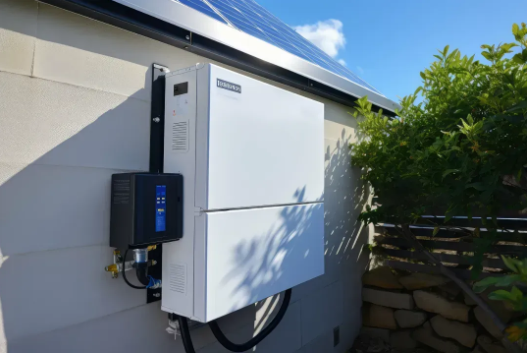

Solar energy has become an increasingly practical option for homes and businesses looking to generate electricity from renewable sources. A modern solar power system is more than a collection of panels mounted on a roof. It typically includes solar panels, an inverter, electrical protection equipment, mounting components and, where required, a battery storage system. Understanding how these components work together can make it easier to assess different solar options and understand what happens during installation.
For property owners considering Solar Panels Toowoomba, the local climate, roof characteristics, electricity consumption and future energy requirements can all influence the design of a suitable system. A correctly planned installation aims to produce useful electricity while maintaining safety, reliability and long-term performance.
What Is a Solar Power System?
A solar power system converts sunlight into electricity that can be used by appliances and electrical equipment. Solar panels capture energy from sunlight and produce direct current (DC) electricity. Because most household and commercial electrical equipment operates using alternating current (AC), an inverter is required to convert the electricity into a usable form.
A battery can also be incorporated into the system to store some of the electricity generated during the day. Stored energy can then be used when solar generation is lower, such as during the evening.
The basic flow is:
Sunlight → Solar Panels → Inverter → Electrical Loads
When a battery is included:
Sunlight → Solar Panels → Inverter → Battery Storage → Electrical Loads
Any surplus electricity may also be exported to the electricity grid, depending on the system configuration and applicable electricity arrangements.
Understanding Solar Panels
Solar panels are one of the most visible parts of a solar installation. They contain photovoltaic cells that convert sunlight into DC electricity.
Several characteristics should be considered when comparing panels.
Panel Efficiency
Efficiency refers to how effectively a panel converts available sunlight into electrical energy. A higher-efficiency panel can produce more electricity from a given roof area, which can be particularly useful where roof space is limited.
However, efficiency is only one factor. Panel quality, warranty conditions, temperature performance, degradation rates and suitability for the installation should also be considered.
Panel Size and Output
Solar panels are available in different power ratings and physical dimensions. A panel with a higher wattage rating can produce more electricity under standard testing conditions, but the actual output will vary according to sunlight, temperature, orientation, shading and other environmental conditions.
When planning Solar Panels Toowoomba, it is important to consider the available roof area rather than simply choosing panels based on their individual wattage.
Roof Orientation and Tilt
The direction and angle of a roof can influence solar generation. In Australia, north-facing roof areas are traditionally considered useful for solar generation, although east- and west-facing panels can also provide valuable electricity at different times of the day.
For example, west-facing panels may produce more electricity later in the afternoon, potentially matching household electricity use when people return home from work.
A professional assessment can consider the roof’s orientation, pitch and available installation areas when developing a system design.
Shading
Shading from trees, neighbouring buildings, chimneys or roof structures can reduce solar production. Even partial shading may affect the performance of panels depending on the system design.
Before installation, potential shading should be assessed at different times of the day and throughout the year where practical. This helps determine the most appropriate panel arrangement.
What Does a Solar Inverter Do?
The inverter is a key component of a solar power system. Solar panels generate DC electricity, while standard household electrical circuits use AC electricity. The inverter converts the DC electricity into AC electricity for use within the property.
In addition to converting electricity, modern inverters can perform several monitoring and management functions.
Depending on the model and installation, an inverter may monitor solar production, detect electrical conditions and provide information through a display or online monitoring platform.
Types of Solar Inverters
There are several inverter configurations available.
String inverters connect groups or strings of solar panels to a central inverter. They are widely used and can be suitable for many residential and commercial installations.
Microinverters are installed at individual panels or small groups of panels. They can provide more independent panel-level operation and may be useful for roofs with multiple orientations or certain shading conditions.
Hybrid inverters can manage solar generation and battery storage within one system. They are often considered when a property owner wants to include battery storage now or potentially add it later.
The right inverter depends on the system design, roof characteristics, electrical requirements and intended use.
Why Inverter Selection Matters
Solar panels and inverters need to work together correctly. The inverter must be appropriately sized for the solar array and compatible with the electrical characteristics of the panels.
An inverter that is poorly matched to the system can affect performance and may create unnecessary limitations. Professional system design therefore considers panel capacity, inverter capacity, expected generation and electricity consumption.
Monitoring capability can also be valuable. If the system provides production information, property owners can see how much electricity their solar system is generating and identify unusual changes in performance.
Understanding Solar Batteries
Solar batteries provide a way to store electricity generated by a solar system instead of using or exporting all of it immediately.
Without a battery, a typical grid-connected solar system sends electricity to the property when solar generation is available. If generation exceeds immediate demand, surplus electricity may be exported to the grid.
With battery storage, some surplus electricity can instead be directed into the battery.
For example, during a sunny afternoon, a property may generate more electricity than it currently needs. The excess can charge the battery. Later in the evening, when the solar panels are no longer producing electricity, stored energy can be used.
Why Consider Battery Storage?
Battery storage can help increase the amount of self-generated solar electricity used at the property. This can be particularly relevant for households that consume a significant amount of electricity outside daylight hours.
Common evening loads may include:
- Lighting
- Refrigeration
- Cooking appliances
- Television and entertainment equipment
- Air conditioning
- Pool equipment
- Home office equipment
The suitability of a battery depends on the property’s electricity consumption, solar generation and desired level of energy storage.
Battery Capacity and Power
Two important battery specifications are capacity and power.
Capacity is generally measured in kilowatt-hours (kWh) and indicates how much energy the battery can store.
Power is measured in kilowatts (kW) and relates to how much electricity the battery can deliver at a particular time.
A battery with substantial capacity does not necessarily mean it can operate every appliance simultaneously. The system’s power rating and inverter capabilities also need to be considered.
Battery systems may also have usable capacity limits, meaning the full nominal capacity is not necessarily available for everyday use.
Solar System Size and Electricity Consumption
Choosing a solar system should begin with understanding electricity consumption rather than simply selecting the largest possible system.
Electricity bills can provide useful information about historical consumption. Smart meters and energy monitoring devices can provide more detailed information about when electricity is being used.
For example, two households could have the same annual electricity consumption but very different usage patterns. One may use most of its electricity during the daytime, while another may use substantially more in the evening.
These differences can influence the design of the solar system and whether battery storage provides a practical benefit.
The Solar Panel Installation Process
A professional solar installation generally involves several stages.
1. Site Assessment
The installation team assesses the roof, available space, orientation, shading, electrical infrastructure and potential locations for system components.
2. System Design
The solar array and inverter are selected based on the property’s electricity requirements and physical characteristics. If a battery is included, its capacity and compatibility are also considered.
3. Panel Installation
Mounting equipment is installed to secure the panels to the appropriate roof structure. Panels are then positioned and connected according to the system design.
4. Inverter Installation
The inverter is installed in a suitable location that meets the manufacturer’s requirements and relevant electrical considerations.
5. Electrical Connections
The solar system is connected to the property’s electrical infrastructure using appropriate protection and isolation equipment.
6. Testing and Commissioning
The completed system is tested to ensure the components operate correctly. Electrical checks and commissioning procedures are carried out before the system is placed into normal operation.
Electrical Safety During Installation
Solar installations involve both electrical equipment and work at height, so safety is an important consideration.
A solar system should be installed according to applicable Australian requirements and manufacturer instructions. Electrical protection, cable management, isolation arrangements and equipment placement all need to be considered.
Using appropriately qualified and accredited installers can help ensure that the installation is approached professionally and that relevant requirements are considered throughout the project.
Our commitment to finishing every project at a high standard extends to our solar panel installation Toowoomba. As Solar Accreditation Australia accredited installers, we pride ourselves on the quality work we produce when supplying and installing solar power systems.
Maintaining Solar Panels
Solar panels generally require relatively little routine maintenance, but they should still be monitored.
Dust, leaves, bird droppings and other debris can accumulate on panel surfaces and potentially affect generation. Toowoomba’s weather conditions can vary throughout the year, so keeping an eye on system performance is useful.
Regularly reviewing inverter monitoring information or electricity production can help identify changes. A sudden and unexplained reduction in output may indicate shading, equipment issues or another problem that requires investigation.
It is also important not to undertake electrical repairs yourself. Solar systems can remain electrically active whenever sunlight is available, so electrical faults should be assessed by appropriately qualified professionals.
How Long Do Solar Panels Last?
Solar panels are designed for long-term operation. Their electricity production gradually declines over time, a process commonly referred to as degradation.
Panel manufacturers typically provide product and performance warranties, although warranty terms differ between products.
Inverters can have different expected service lives from panels, and battery systems have their own performance and warranty considerations. When comparing systems, it is therefore useful to consider the warranties and expected lifespan of each major component rather than focusing only on the initial purchase price.
Solar Panels Toowoomba and Local Conditions
Local conditions should be part of the planning process when installing Solar Panels Toowoomba.
The amount of sunlight available, roof design, seasonal weather, shading and household electricity consumption can all affect actual solar generation. A system that works well for one property may not be the best configuration for another.
Toowoomba properties can also have different roof materials, pitches and available installation areas. Older properties may require additional consideration of existing electrical infrastructure before new solar equipment is installed.
Solar Panels, Inverters and Batteries Working Together
The three main technologies can be viewed as different parts of the same energy system.
Solar panels generate electricity when sunlight is available. The inverter converts and manages that electricity so it can be used by the property’s electrical system. A battery can store surplus energy for later use.
The effectiveness of the overall system depends on how well these components are matched.
A large panel array with an unsuitable inverter may not provide the expected result. Similarly, installing a battery without considering actual electricity consumption may not deliver the intended benefits.
Good system planning therefore looks at the property as a whole.
Questions to Ask Before Solar Installation
Before proceeding with a solar installation, property owners may want to consider:
- How much electricity does the property use each day?
- When is most electricity consumed?
- How much suitable roof space is available?
- Are there shading issues?
- What panel and inverter warranties are provided?
- Is battery storage required immediately?
- Can the system accommodate future changes?
- What monitoring is available?
- What electrical upgrades may be necessary?
- Who will carry out the installation and commissioning?
Having these questions answered can make it easier to compare different system designs.
Final Thoughts
Solar power systems combine several technologies to generate, convert, use and potentially store electricity. Solar panels capture sunlight, inverters convert and manage electrical energy, and batteries provide a way to store surplus generation for later use.
For property owners researching Solar Panels Toowoomba, understanding these components is an important first step. System size, roof characteristics, electricity consumption, shading, equipment specifications and future energy needs should all be considered before installation.
A carefully designed system can provide a practical way to generate electricity from sunlight while integrating with the property’s existing electrical infrastructure. Professional assessment and installation also help ensure that the panels, inverter, battery and associated electrical equipment operate as one properly configured system.