
Industrial and commercial facility managers often weigh durability against budget constraints when upgrading their surfaces. Investing in epoxy flooring in the Philippines requires a clear view of long-term value versus initial expense. This high-performance coating offers distinct advantages for heavy-traffic areas that standard paints cannot match. The decision depends on specific operational demands and environmental conditions present in your workspace.
Grasping 100% Solids Epoxy Composition
What Defines 100% Solids Content
The term “100% solids” refers to the volume of solid material remaining after the coating cures. Unlike solvent-based options, these formulations contain no volatile organic compounds that evaporate during drying. This characteristic results in a thicker film build with each application layer. The absence of solvents means the material does not shrink as it hardens, providing consistent coverage.
Comparison with Solvent-Based Alternatives
Solvent-based epoxies release gases into the air as they cure, which can cause odor and health concerns. In contrast, 100% solids systems remain stable and emit minimal fumes during installation. This difference makes them suitable for enclosed spaces where ventilation is limited. The higher viscosity of 100% solids also allows for better filling of minor surface imperfections.
Environmental and Safety Benefits
Facilities prioritizing indoor air quality benefit significantly from low-VOC formulations. Regulatory bodies increasingly favor coatings that reduce atmospheric pollution and worker exposure to harmful chemicals. These products align with green building standards and sustainability goals. Using such materials supports a healthier environment for employees and visitors alike.
Performance Advantages in Tropical Climates
Resistance to Humidity and Moisture
The tropical climate in the region presents unique challenges for floor coatings due to high humidity levels. 100% solids epoxy creates an impermeable barrier that prevents moisture vapor transmission from the concrete slab. This protection stops blistering and delamination issues common in humid environments. The strong bond formed with the substrate withstands thermal expansion and contraction cycles.
Durability Against Heavy Traffic
Warehouses and manufacturing plants subject floors to constant abrasion from forklifts and heavy machinery. The dense molecular structure of 100% solids epoxy resists wear and tear effectively. It maintains its integrity under significant mechanical stress without cracking or chipping. This resilience extends the lifespan of the floor and reduces maintenance frequency.
Chemical Resistance Properties
Industrial processes often involve spills of oils, acids, and cleaning agents that degrade standard surfaces. High-quality epoxy coatings provide excellent resistance to a wide range of chemicals. This feature protects the underlying concrete from corrosion and staining. Cleanup becomes simpler since liquids bead up on the surface rather than soaking in.
Cost-Benefit Analysis for Business Owners
Initial Investment vs Long-Term Savings
While the upfront cost of 100% solids epoxy is higher than traditional paint, the lifecycle cost is lower. Standard coatings may require reapplication every few years due to wear and damage. A properly installed epoxy system can last ten years or more with minimal upkeep. This longevity translates to significant savings over time for facility owners.
Maintenance Requirements and Ease of Cleaning
The non-porous nature of cured epoxy makes it easy to clean and sanitize. Dirt and debris do not embed themselves in the surface, allowing for quick sweeping and mopping. This ease of maintenance reduces labor costs and downtime for cleaning crews. Hygiene standards are easier to maintain in food processing or pharmaceutical settings.
Impact on Operational Efficiency
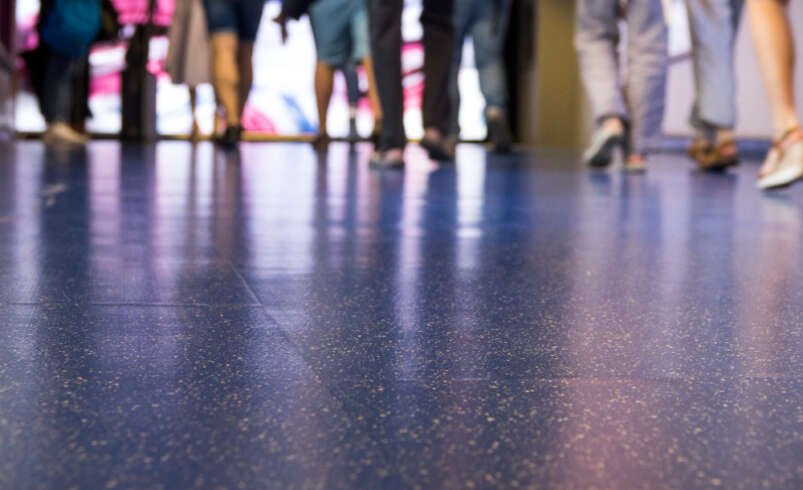
A smooth, level floor improves the efficiency of material handling equipment and foot traffic. Uneven or damaged surfaces can slow down operations and increase the risk of accidents. Installing a durable coating minimizes disruptions resulting from floor repairs. Consistent surface quality supports smoother workflow and safer working conditions.
Installation Considerations and Best Practices
Surface Preparation Requirements
Proper preparation of the concrete substrate is essential for the success of any epoxy installation. The surface needs to be clean, dry, and free of contaminants like oil or grease. Mechanical profiling such as shot blasting or grinding creates the necessary texture for adhesion. Skipping this step often leads to premature failure of the coating system.
Professional Application Expertise
Applying this epoxy requires specialized skills and equipment due to its high viscosity. Experienced installers know how to manage pot life and working time effectively. They can adjust techniques to accommodate temperature and humidity variations on site. Hiring qualified professionals delivers a uniform finish and optimal performance.
Curing Time and Project Timeline
Although these systems cure quickly, they require specific conditions to achieve full hardness. Temperature and humidity levels influence the curing rate and final properties of the floor. Planning the installation during periods of low operational activity minimizes disruption. Adequate curing time guarantees the floor can handle heavy loads immediately after completion.
Key Takeaway
Opting for durable surfaces means weighing what you need for daily operations against what you expect from the facility over time. Installing 100% solids epoxy flooring in the Philippines gives demanding industries reliable protection against tropical humidity and harsh chemicals. Although upfront costs are higher, reduced maintenance and extended lifespan deliver lasting safety and operational value.