

Selling an unwanted car in Melbourne is easier when you understand its value, paperwork, removal options and payment terms. Whether your vehicle is old, damaged, unregistered or no longer needed, a little preparation helps you make an informed decision. You can compare offers, check ownership requirements and choose a suitable way to sell without unnecessary delays. Before accepting an offer, consider these 7 important things to help you avoid common mistakes and manage the sale with confidence.
1. Understand the Value of Your Unwanted Car
The value of an unwanted car depends on its condition, age, make, model and demand for its parts. A vehicle does not need to be in perfect condition to have resale or recycling value. Even a damaged car contains materials and components that other buyers may find useful.
Several factors affect the price you receive:
- Make and model: Popular vehicles often have parts that are easier to resell.
- Age and kilometres: Older vehicles with high kilometres may have a lower resale value.
- Mechanical condition: A working engine and gearbox can increase a vehicle’s value.
- Body damage: Rust, dents and accident damage can reduce its resale price.
- Parts demand: Working headlights, wheels, batteries and other components may add value.
- Scrap metal: Steel, aluminium and other recyclable materials contribute to a vehicle’s remaining worth.
Before requesting a quote, describe your vehicle honestly. Mention any major faults, missing parts or accident damage. Clear information helps a buyer provide a more realistic estimate and reduces the chance of a price change during collection.
It is also useful to compare more than one offer. Look at the final amount you receive rather than focusing only on the advertised price. Towing charges, administrative costs or other deductions can affect the total payment.
2. Compare Your Selling Options Before Making a Decision
There are several ways to sell an unwanted car in Melbourne, and each option suits different vehicles and circumstances. A private sale may suit a roadworthy car, while a vehicle removal service can be more practical for damaged or non-running cars.
Consider these common selling options:
Private Sale
Selling privately gives you direct control over the asking price and negotiations. However, you need to create an advertisement, answer enquiries, arrange inspections and manage the transfer process. Buyers may also request test drives or negotiate several times before agreeing to purchase.
Trade-In
A dealership trade-in suits people replacing their current vehicle with another car. The dealer assesses the old vehicle and applies an agreed trade-in value towards the replacement purchase. This option is less useful when you do not intend to buy another vehicle.
Car Removal and Recycling
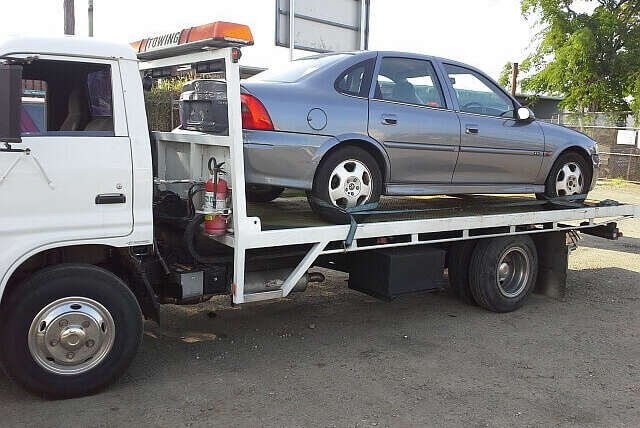
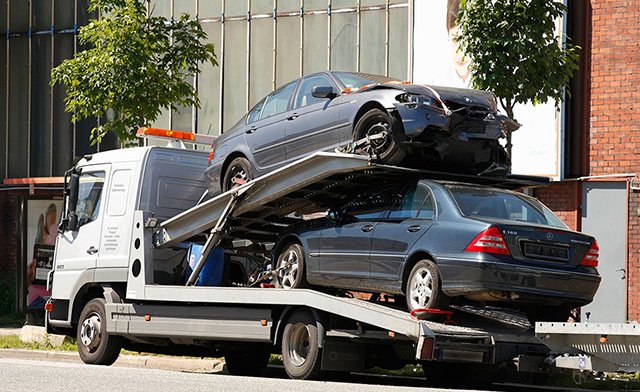
Car removal services purchase vehicles that owners no longer need. Depending on the buyer, these services accept old, damaged, unwanted and non-running cars. Collection arrangements can also reduce the effort involved in transporting a vehicle that cannot be driven.
People researching cash for unwanted cars Melbourne often compare these services because they offer an alternative to managing a private sale. The important step is checking what the quoted amount includes, whether collection costs extra and when payment occurs.
Best Cash For Cars Melbourne is one business to consider when comparing unwanted vehicle buyers. Reviewing its service details alongside other available options helps sellers understand the collection process and decide whether the service suits their circumstances.
3. Check Your Ownership Documents and Transfer Requirements
Having the correct paperwork helps establish that you have the right to sell the vehicle. In Victoria, sellers need to consider VicRoads requirements, ownership details and the steps that apply to their particular sale.
Start by checking the following information:
- Proof of identity: Keep suitable identification available when completing the transaction.
- Vehicle details: Confirm the registration number, vehicle identification number (VIN) and other identifying information.
- Proof of ownership: Keep purchase records or other documents that support your ownership where available.
- Registration status: Check whether the vehicle is registered, expired or unregistered.
- Transfer requirements: Confirm the applicable requirements for transferring ownership or notifying the relevant authority.
The exact process depends on the vehicle’s registration status and the type of transaction. A registered vehicle may involve different steps from an unregistered vehicle sold for dismantling or recycling.
If the car has joint owners, outstanding finance or a legal restriction, resolve the relevant issue before completing the sale. A lender may have an interest in the vehicle if finance remains unpaid. Selling without addressing that interest can create problems for both parties.
Never assume that handing over the keys automatically completes every legal responsibility. Check the current Victorian requirements and retain copies of relevant sale documents, payment records and transfer confirmations.
4. Check the Vehicle’s Condition and Remove Personal Belongings
Preparing an unwanted car for sale does not require expensive repairs or a professional detail. A few simple checks help you protect your belongings, describe the vehicle accurately and make collection easier.
Before handing over the car, complete these steps:
- Remove personal items: Check the glove box, centre console, boot, door pockets and under the seats.
- Check electronic devices: Remove phone chargers, dash cameras and removable navigation devices.
- Gather spare keys: Locate any available keys, remotes and security fobs.
- Remove personal documents: Take out insurance papers, service records containing personal details and other private information.
- Describe known faults: Tell the buyer about engine problems, damaged tyres, missing components or accident history.
- Take photographs: Record the vehicle’s exterior, interior and visible damage before collection.
- Check for toll tags: Remove any tolling device and follow the provider’s instructions for closing or transferring the account.
Avoid spending money on repairs without first checking whether they increase the offer. A car with serious engine damage may not justify an expensive repair before sale. Request a valuation based on its current condition, then compare the cost of repairs with the likely increase in value.
These preparations also make the handover more organised. Once your belongings are removed and the vehicle details are recorded, you can focus on payment, paperwork and collection arrangements.
5. Confirm Collection Costs and Payment Arrangements
Collection arrangements and payment terms affect the overall value of an unwanted car sale. Before accepting an offer, confirm the collection location, any towing fees, the final payment amount and the method of payment.
For a vehicle that cannot be driven, towing is often an important consideration. Some buyers include collection in their offer, while others apply additional charges depending on distance, vehicle condition or access.
This matters when arranging free car removal Werribee, especially if the vehicle is parked in a narrow driveway, underground car park or location with limited access. Confirm that the collection service covers your address and ask whether any conditions apply to the free removal offer.
Discuss these points before confirming the sale:
- Final price: Ask whether the quoted amount is fixed or subject to an inspection.
- Collection fees: Confirm whether towing and loading are included.
- Collection time: Agree on a suitable date and arrival window.
- Payment method: Understand how and when the money is transferred.
- Vehicle access: Explain whether the car is blocked in, has locked wheels or cannot roll.
- Cancellation terms: Ask about any fees if the collection cannot proceed.
Do not rely on a verbal promise without understanding the agreed terms. Keep written confirmation of the offer and any collection conditions.
Before releasing the vehicle, verify that the agreed payment has arrived in your account or has otherwise been securely completed. Avoid accepting screenshots alone as proof of a bank transfer. Check the transaction through your own banking service.
A clear agreement reduces confusion and helps prevent unexpected deductions on collection day.
6. Choose a Buyer That Explains Its Process Clearly
A reliable buyer provides clear information about vehicle assessments, collection, payment and paperwork. Comparing these details helps you identify a service that matches your needs instead of choosing solely on the advertised price.
Look for practical signs of a well-organised service:
- Clear contact details: The business provides a way to ask questions before booking.
- Transparent quotes: The buyer explains what affects the final offer.
- Written arrangements: Collection details and agreed terms are confirmed clearly.
- Suitable vehicle acceptance: The service explains whether it accepts your car’s age, condition and registration status.
- Clear payment terms: You know when and how payment is completed.
- Proper documentation: The buyer explains the records required for the transaction.
Best Cash For Cars Melbourne is an option for owners researching ways to sell unwanted vehicles. Before proceeding with any service, review its current terms, confirm the areas it covers and ask questions about your specific vehicle.
Be cautious when an offer seems unusually high but comes with unclear conditions. Some buyers revise their quote after inspecting the vehicle, particularly when its condition differs from the original description. An honest description and written confirmation help you compare offers fairly.
You should also avoid sharing unnecessary personal or financial information. Provide only the details needed to verify ownership and complete the transaction safely.
7. Consider the Environmental Benefits of Responsible Vehicle Recycling
Responsible vehicle recycling helps recover useful materials and reduces the amount of waste sent to landfill. Unwanted cars contain metals, plastics, glass, rubber and components that may be reused or processed for other purposes.
The recycling process can involve several stages:
Vehicle Assessment
The vehicle is checked to identify reusable parts, recyclable materials and items that require special handling.
Parts Recovery
Suitable components, such as mirrors, alternators, wheels and selected engine parts, may be removed for reuse when they meet the relevant safety and quality requirements.
Fluid Removal
Fuel, engine oil, coolant, brake fluid and other automotive fluids require appropriate handling. These substances must not be poured onto the ground or into household drains.
Metal Recycling
After suitable parts and hazardous materials are removed, the remaining metal can be processed for recycling. Steel and aluminium are useful materials because they can be recovered and used in manufacturing.
Responsible Disposal
Materials that cannot be reused or recycled require appropriate disposal. Choosing a service that explains its recycling practices gives you a clearer understanding of what happens after collection.
Recycling does not mean every part of every vehicle is reusable. The outcome depends on the car’s condition, the available recovery facilities and the materials involved. However, responsible dismantling helps recover resources that might otherwise be wasted.
Ask the buyer how it handles fluids, reusable parts and remaining materials. Clear answers help you make an informed choice about the environmental side of selling your unwanted car.
Common Mistakes to Avoid When Selling an Unwanted Car
Avoiding a few common mistakes makes the process easier and reduces the risk of disputes.
Accepting the first offer: Compare available quotes and check the total amount after collection costs.
Ignoring paperwork: Confirm the applicable ownership transfer and notification requirements before handing over the vehicle.
Hiding vehicle damage: Disclose known faults to reduce disagreements during inspection.
Forgetting personal belongings: Check the entire vehicle, including hidden storage areas and electronic devices.
Overlooking payment security: Confirm that payment has cleared before releasing the car.
Assuming every removal service is free: Ask about towing charges, distance limits and special collection conditions.
Failing to keep records: Save the sale agreement, payment confirmation and relevant transfer documents.
A short checklist helps you complete these tasks before collection day and avoid unnecessary complications.
Conclusion
Selling an unwanted car in Melbourne becomes more manageable when you understand its value, compare selling options, prepare the paperwork and confirm payment arrangements. Checking collection costs and choosing a buyer with clear terms also helps you avoid unexpected problems.
Before making a decision, compare quotes based on your car’s actual condition and confirm the requirements that apply to your transaction. Responsible recycling is another useful consideration when a vehicle has reached the end of its working life.
Taking these 7 steps helps you approach the sale with clear expectations and make a decision that suits your vehicle and circumstances.