
Back pain can make everyday activities difficult, whether you are sitting at a desk, bending to pick something up, walking, driving, or getting out of bed. Muscle tightness, joint stiffness, repetitive movements, and physical strain can all contribute to discomfort that affects daily routines. When these problems continue, finding an appropriate treatment approach becomes important for restoring comfortable movement and maintaining an active lifestyle. Manual therapy for back pain is one rehabilitation option that may help address certain muscle and joint restrictions while supporting improved flexibility and physical function.
Northern Colorado Spine and Sport recognizes the importance of addressing movement limitations through personalized physical therapy approaches. Manual therapy involves hands-on techniques that may help reduce soft tissue tension, improve joint mobility, and make certain movements more comfortable. Depending on the individual’s condition, treatment may be combined with therapeutic exercises, stretching, and movement education. This approach focuses on understanding the factors contributing to discomfort and helping individuals work toward meaningful improvements in their physical abilities.
Understanding How Manual Therapy Helps With Back Pain
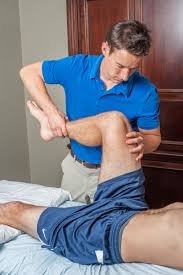
Manual therapy is a hands-on treatment approach used by trained physical therapy professionals to address restrictions involving muscles, joints, and surrounding soft tissues. Depending on the patient’s needs, techniques may include joint mobilization, soft tissue mobilization, and gentle movements designed to improve mobility. These methods are selected according to the individual’s symptoms, physical condition, and rehabilitation goals.
People experiencing back discomfort may develop stiffness or muscle tension that makes ordinary movements uncomfortable. Manual therapy for back pain may help address certain physical restrictions and support improved movement when used as part of an appropriate rehabilitation program. Treatment is not identical for everyone because the source of discomfort can vary. A professional evaluation helps determine which techniques are suitable and whether additional exercises or treatment methods should be included.
Common Causes of Back Pain and Physical Discomfort
Back pain can develop for several reasons, and identifying possible contributing factors is an important part of choosing an appropriate treatment strategy. Some individuals experience discomfort after lifting heavy objects or participating in demanding physical activities. Others develop symptoms gradually because of prolonged sitting, repetitive movements, or limited physical activity. In some cases, an underlying spinal or musculoskeletal condition may contribute to persistent symptoms.
Common factors associated with back discomfort include:
-
Muscle strain: Overstretching or overworking muscles can lead to soreness, tightness, and restricted movement.
-
Poor movement habits: Repetitive bending, twisting, or lifting may place unnecessary stress on the back.
-
Prolonged sitting: Remaining in one position for extended periods can contribute to stiffness and muscular discomfort.
-
Joint restrictions: Limited movement in certain spinal joints may affect flexibility and everyday function.
-
Sports-related injuries: Physical activities involving sudden movements or heavy resistance can contribute to back problems.
Understanding the possible source of discomfort helps physical therapy professionals select suitable treatment techniques. Persistent, severe, or unexplained back pain should be evaluated by an appropriate healthcare professional.
Benefits of Manual Therapy for Back Pain
Back discomfort can affect different areas of the spine and surrounding muscles. Depending on the underlying condition, hands-on treatment may help improve certain movement limitations and support a more comfortable range of motion. Manual techniques are generally selected to address specific restrictions rather than treating every type of back pain in the same way.
One potential benefit is improved joint mobility. When spinal movement becomes restricted, activities such as bending, turning, and reaching may feel difficult. Appropriate mobilization techniques may help improve movement in affected areas. Soft tissue treatment may also address muscle tightness and tenderness that contribute to discomfort. However, individual results vary, and manual therapy is not a guaranteed solution for every back condition.
Another important benefit is its role in a broader rehabilitation program. Hands-on techniques can be combined with strengthening exercises and mobility activities to help individuals develop better movement control. This combination encourages active participation in recovery and may help patients build the physical abilities needed for everyday responsibilities.
How Manual Therapy Supports Lower Back Mobility
The lower back plays an important role in supporting the upper body and coordinating movements involving the hips and legs. When this region becomes stiff or uncomfortable, simple activities such as walking, sitting, standing, and bending may become challenging. Muscle weakness, joint restrictions, and repetitive physical strain can contribute to these limitations.
Manual therapy may be incorporated into a rehabilitation plan to address certain lower back movement restrictions. A physical therapy professional may use appropriate hands-on techniques to work with surrounding muscles and joints. These methods may help improve flexibility and make specific movements more comfortable when clinically appropriate.
Patients may also benefit from exercises designed to strengthen the muscles supporting the lower back and improve coordination between the hips, abdomen, and spine. Combining hands-on care with active movement can address multiple aspects of physical function. The treatment approach should always reflect the individual’s condition, comfort level, and recovery needs.
Combining Hands-On Treatment With Therapeutic Exercises
Although manual treatment can address certain mobility restrictions, exercise is an important part of developing long-term physical strength and movement control. Strong supporting muscles help the body manage everyday physical demands, while flexibility activities can improve the ability to move comfortably.
A personalized rehabilitation program may include several types of exercises:
-
Core strengthening: Helps develop abdominal and trunk muscles that support the spine.
-
Gentle stretching: Addresses muscle tightness and encourages comfortable movement.
-
Hip mobility exercises: Improve movement in surrounding areas that contribute to lower back function.
-
Stability training: Develops coordination and control during everyday activities.
-
Functional movements: Practices activities such as bending, lifting, and standing with appropriate body mechanics.
Exercise selection depends on the source of back pain and the patient’s current physical abilities. Starting with manageable movements and gradually increasing activity under professional guidance can help support safe progress.
Why Personalized Physical Therapy Matters for Back Pain
Back pain does not affect everyone in the same way. Some individuals experience occasional stiffness, while others deal with recurring discomfort that interferes with work, exercise, and household responsibilities. Even when two people report similar symptoms, their physical limitations and treatment requirements may be different.
Personalized physical therapy begins with understanding the patient’s concerns and evaluating relevant movement patterns. A professional may assess spinal mobility, muscle strength, flexibility, posture, and activities that increase discomfort. This information helps determine whether manual techniques, strengthening exercises, or other rehabilitation methods are appropriate.
Northern Colorado Spine and Sport emphasizes an individualized approach to physical rehabilitation. By considering personal movement challenges and functional goals, patients can receive recommendations that better reflect their needs. Treatment may also be adjusted over time according to progress, comfort, and changes in physical abilities.
Manual Therapy for Back Pain and Everyday Activities
Back discomfort can interfere with many activities that people normally perform without thinking. Sitting through a workday, carrying groceries, gardening, exercising, or playing with children may become uncomfortable when the back feels stiff or restricted. These limitations can also affect confidence in movement, especially when individuals begin avoiding activities they previously enjoyed.
Manual therapy for back pain may help address certain physical restrictions that interfere with everyday movement. When appropriate, hands-on techniques can be combined with functional exercises that help patients practice bending, reaching, walking, and other daily movements. This approach focuses on improving physical capabilities rather than concentrating only on the affected area.
Developing healthier movement habits is another important part of rehabilitation. Taking breaks from prolonged sitting, maintaining comfortable lifting techniques, and gradually increasing physical activity can help individuals manage everyday physical demands. Consistent participation in recommended exercises may also support improvements achieved during treatment.
Choosing Northern Colorado Spine and Sport for Back Pain Rehabilitation
Selecting a physical therapy provider is an important decision when back discomfort begins affecting your quality of life. Patients should look for an approach that considers their symptoms, movement limitations, medical history, and personal recovery expectations. Understanding the treatment process can also make rehabilitation more comfortable and manageable.
Northern Colorado Spine and Sport provides a physical therapy setting for individuals seeking support with musculoskeletal concerns and movement limitations. People considering manual therapy for back pain can discuss their symptoms and rehabilitation goals with the practice to learn which treatment approaches may be suitable. A professional evaluation can help identify relevant physical restrictions and determine whether hands-on treatment should be included in a broader care plan.
The goal of rehabilitation is to help individuals improve physical function and develop the strength and movement skills needed for daily activities. With appropriate guidance and consistent participation, patients can work toward better mobility and greater confidence in their everyday movements.
Conclusion
Back pain can affect mobility, flexibility, and the ability to enjoy everyday activities. Manual therapy offers a hands-on rehabilitation option that may help address certain joint restrictions and muscle tension when used appropriately. Combining these techniques with strengthening exercises, mobility training, and movement education can support a more comprehensive approach to physical recovery.
Northern Colorado Spine and Sport encourages individuals experiencing back discomfort to explore appropriate physical therapy options based on their specific needs. Whether stiffness affects your work routine, recreational activities, or everyday responsibilities, professional guidance can help identify suitable next steps. If you are considering manual therapy for back pain, discussing your symptoms and recovery goals with Northern Colorado Spine and Sport can be a helpful starting point toward improved movement and physical wellness.