
Headaches can affect many aspects of everyday life, making it difficult to concentrate, work, sleep, and enjoy regular activities. While occasional headaches may pass with rest, recurring discomfort can interfere with daily responsibilities and overall well-being. Some headaches are associated with muscle tension, restricted neck movement, poor posture, or physical strain. Understanding these contributing factors can help individuals explore appropriate treatment options and find ways to manage their symptoms.
Sam’s Physical Therapy, P.C. recognizes the importance of addressing physical conditions that may contribute to recurring headaches. Physical therapy can be a useful option for individuals whose headaches are associated with neck tension, muscle tightness, or movement-related problems. Through professional evaluation and individualized rehabilitation, patients can work on improving posture, flexibility, and muscular function. Exploring PHYSICAL THERAPY for Headaches can help individuals understand how targeted treatment may support better physical comfort and everyday activities.
Understanding How Physical Therapy for Headaches Works
Headaches can develop for different reasons, and not every type responds to the same treatment approach. Some individuals experience tension-related headaches associated with tight muscles around the neck, shoulders, and upper back. Others may experience cervicogenic headaches, which originate from problems involving the cervical spine and surrounding structures. These conditions can sometimes cause discomfort that spreads from the neck toward the head.
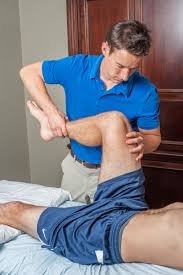
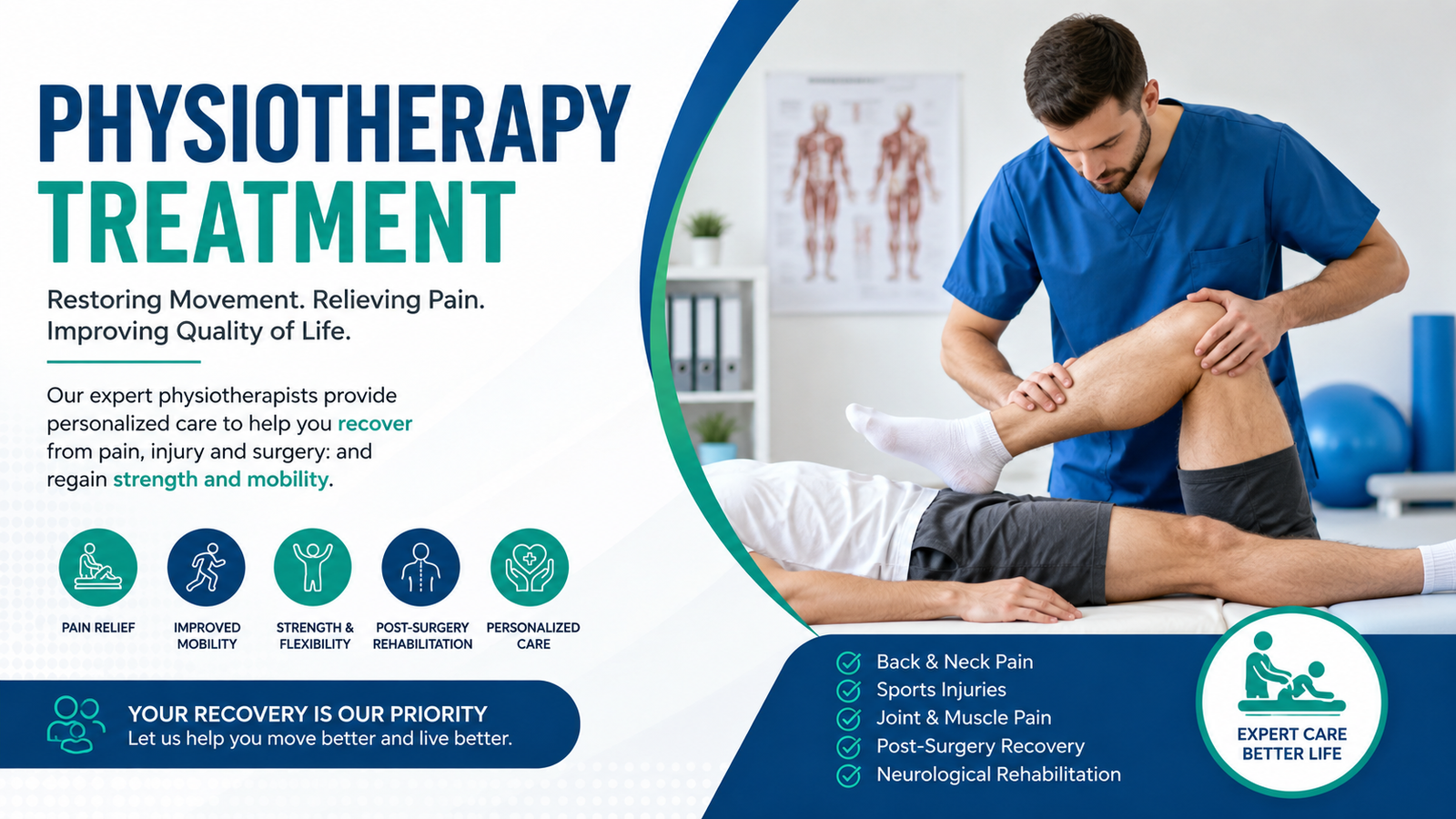
PHYSICAL THERAPY for Headaches focuses on identifying and addressing physical factors that may contribute to certain headache patterns. A qualified physical therapist may evaluate neck mobility, muscle flexibility, posture, and movement habits to understand the patient’s concerns. Depending on the findings, treatment may include gentle exercises, stretching, posture education, and manual techniques. The goal is to improve physical function and help patients manage contributing movement problems.
Common Physical Factors Associated With Headaches
Several physical factors may contribute to headache symptoms, particularly when discomfort involves the neck, shoulders, and upper back. Spending extended periods sitting at a desk, looking down at electronic devices, or maintaining an uncomfortable position can increase muscular strain. Over time, these habits may contribute to stiffness and tension that affect the surrounding structures.
Muscle tightness, restricted cervical movement, and poor postural habits are some concerns that may be evaluated during physical therapy. However, headaches can also have neurological, vascular, and other medical causes. Understanding the underlying reason for recurring symptoms is important before selecting a treatment approach. A healthcare professional can help determine whether rehabilitation is appropriate for an individual’s condition.
Improving Neck Flexibility and Reducing Muscle Tension
Neck stiffness and tightness around the upper shoulders can sometimes contribute to headaches. Limited movement in the cervical spine may make it uncomfortable to turn the head, maintain certain positions, or complete activities that require prolonged concentration. For individuals with headaches related to neck problems, improving flexibility and muscular control may become an important part of rehabilitation.
A physical therapist may recommend gentle neck stretches, controlled mobility exercises, and techniques that address surrounding muscle tension. These activities can help improve movement and support better muscular function. Treatment intensity should be adjusted according to individual tolerance, especially when symptoms are persistent or sensitive to movement. The purpose is to encourage comfortable mobility without placing unnecessary strain on the affected areas.
The Connection Between Posture and Recurring Headaches
Daily posture can influence how the neck and upper back respond to physical demands. Sitting for extended periods, working on computers, and frequently looking down at mobile devices may encourage uncomfortable head and shoulder positions. These habits can increase muscular strain and contribute to neck discomfort in some individuals. Over time, poor movement habits may make existing symptoms more noticeable.
Postural education can be included in a rehabilitation program to help patients understand how their everyday positions affect physical comfort. A therapist may provide guidance on workstation arrangements, sitting positions, movement breaks, and exercises that support neck and upper-back strength. Developing better awareness of body alignment can make daily activities more comfortable and help reduce unnecessary physical strain.
Exercises That May Support Headache Management
Therapeutic exercises are often an important component of physical therapy for headaches associated with neck and shoulder problems. These activities may focus on improving muscular endurance, strengthening supportive muscles, and encouraging controlled movement. Rather than using demanding routines, rehabilitation generally begins with exercises suited to the patient’s current abilities and symptoms.
Depending on the evaluation, a physical therapist may introduce activities such as:
-
Gentle neck mobility and stretching exercises.
-
Deep neck muscle strengthening activities.
-
Shoulder blade stabilization movements.
-
Upper-back flexibility and posture exercises.
-
Appropriate aerobic activities to support general fitness.
Exercises should be selected according to the type of headache and the patient’s medical condition. Research and clinical guidelines support considering targeted exercise and other rehabilitation approaches for certain tension-type and cervicogenic headaches, although results can vary.
Health Quality VA+2
What to Expect During a Physical Therapy Evaluation
An initial physical therapy appointment provides an opportunity to discuss headache symptoms, physical limitations, and personal health concerns. The therapist may ask when headaches occur, how frequently they develop, where discomfort is located, and whether neck movement or particular activities influence symptoms. This information helps determine whether musculoskeletal factors may be contributing to the problem.
The evaluation may also involve checking neck movement, shoulder mobility, posture, muscle strength, and functional abilities. Based on the findings, the therapist can recommend an appropriate treatment approach or suggest further medical assessment when necessary. A proper evaluation is especially important because headaches can have several different causes, and physical therapy is not suitable as a standalone solution for every headache condition.
Developing Healthy Daily Habits for Better Physical Comfort
Healthy daily habits can complement professional rehabilitation and support overall physical well-being. Maintaining comfortable sitting positions, taking regular breaks from screens, staying physically active, and getting adequate rest can contribute to better daily routines. Individuals who spend long hours working at a desk may benefit from adjusting their workstation to reduce unnecessary neck and shoulder strain.
Patients should also follow the exercises and activity recommendations provided by their healthcare professional. Avoiding sudden increases in exercise intensity and paying attention to changes in symptoms can make physical activity more manageable. Keeping track of headache frequency, duration, and possible triggers may also help patients communicate useful information during appointments and identify patterns that deserve attention.
Why Choose Sam’s Physical Therapy, P.C. for Physical Therapy Support
Choosing a physical therapy provider is an important consideration for individuals dealing with recurring headaches and related movement difficulties. Patients should look for professional guidance that takes their symptoms, medical history, and physical abilities into account. A clear treatment approach can help individuals understand their rehabilitation activities and participate more confidently in the process.
Sam’s Physical Therapy, P.C. offers individuals an opportunity to explore physical therapy services for different movement and rehabilitation concerns. People considering PHYSICAL THERAPY for Headaches can discuss whether neck stiffness, muscular tension, or postural difficulties may be contributing to their symptoms. Individualized recommendations and appropriate professional evaluation can help determine whether physical rehabilitation is a suitable part of their overall care.
Conclusion
Recurring headaches can affect concentration, productivity, sleep, and the ability to enjoy everyday activities. When physical factors such as neck stiffness, muscle tension, or restricted movement contribute to certain headache conditions, physical therapy may provide useful support. Through appropriate exercises, posture education, flexibility training, and professional guidance, individuals can work toward improved movement and better physical comfort.
Sam’s Physical Therapy, P.C. encourages individuals to take their physical concerns seriously and explore suitable rehabilitation options. Learning more about PHYSICAL THERAPY for Headaches can be a helpful starting point for those experiencing symptoms associated with neck and muscular problems. With an appropriate evaluation and an individualized treatment approach, patients can take informed steps toward managing their symptoms and maintaining a healthier, more comfortable lifestyle.