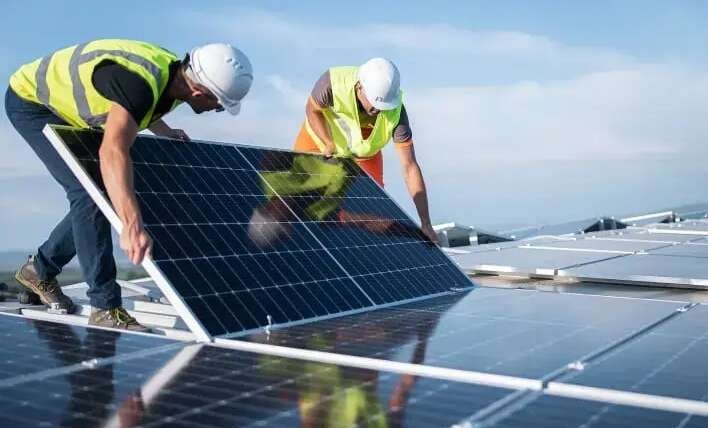
Choosing the best solar panels for your home is an important decision when planning to switch to solar energy. With different panel types, brands, efficiency ratings and warranties available, finding the right option can sometimes be confusing. The right solar panels can help you generate electricity from sunlight, reduce your dependence on grid electricity and manage your household energy costs.
However, not every solar panel is suitable for every property. Factors such as roof space, daily electricity consumption, local weather conditions and your budget all play an important role in selecting a suitable system. Understanding these factors can help you make a better decision and get more value from your solar investment.
In this guide, we will explain what to look for when choosing solar panels and how to identify a system that meets your home’s energy requirements.
What Makes the Best Solar Panels?
The best solar panels are not necessarily the most expensive ones. A good solar panel should provide reliable electricity generation, consistent performance and long-term durability.
Before choosing a system, consider the following important features:
- Efficiency: Higher-efficiency panels can generate more electricity from limited roof space.
- Durability: Quality materials help panels withstand different weather conditions, including heat, wind and rain.
- Performance: Panels should maintain reliable electricity generation under normal operating conditions.
- Warranty: A suitable product and performance warranty provides additional confidence in your investment.
- Value for Money: Compare the overall quality, expected performance and price rather than selecting a panel based on cost alone.
Considering these features will help you narrow down your options and choose solar panels that suit your property.
Types of Solar Panels Available
Understanding the different types of solar panels can make your selection process easier. Most residential solar installations use one of the following technologies.
Monocrystalline Solar Panels
Monocrystalline panels are widely used in residential solar systems. They are manufactured using single-crystal silicon cells and are generally known for their higher efficiency.
These panels are a suitable option for properties with limited roof space because they can generate more electricity per square metre compared with many other panel types.
Polycrystalline Solar Panels
Polycrystalline panels are made using multiple silicon crystal fragments. They have traditionally been considered a more affordable alternative to monocrystalline panels.
However, they generally have lower efficiency. Their suitability depends on available roof space, budget and the electricity generation requirements of the property.
Thin-Film Solar Panels
Thin-film panels are manufactured by placing thin layers of photovoltaic material onto a surface. They are generally lightweight and flexible, depending on the technology used.
These panels are more commonly considered for specific applications where their design characteristics are beneficial. They are less common in standard residential rooftop installations.
Important Factors to Consider Before Buying Solar Panels
Selecting the right solar panels involves more than comparing product specifications. You should also consider how the system will perform at your property.
Check Solar Panel Efficiency
Solar panel efficiency indicates how effectively a panel converts sunlight into electricity. Higher efficiency can be particularly useful when your roof has limited installation space.
However, efficiency should not be the only deciding factor. Compare the panel’s overall performance, warranty and suitability for your energy requirements.
Consider Your Daily Electricity Usage
Before choosing solar panels, understand how much electricity your household consumes. Check your electricity bills to estimate your average daily usage.
A household with higher electricity consumption may require a larger solar system. Selecting an appropriately sized system can help you make better use of the electricity generated.
Look for Product and Performance Warranties
Solar panels are a long-term investment, so warranty coverage is an important consideration.
Check the product warranty, which covers manufacturing-related issues, and the performance warranty, which provides information about expected power output over time. Also review the manufacturer’s warranty conditions.
Evaluate Temperature Performance
Solar panels are exposed to outdoor temperatures throughout the year. Their electricity output can be affected by operating temperatures.
Review the temperature coefficient in the product specifications to understand how panel performance changes as temperatures increase.
Compare Installation Requirements
Your roof direction, angle, shading and available space can influence solar electricity generation. A professional assessment can help determine the most suitable panel arrangement for your property.
Why Solar Panel Quality Matters
Solar panels are designed to operate outdoors for many years. Therefore, choosing a reliable product is important for long-term performance.
Low-quality products may not provide the same level of durability, performance consistency or warranty support as well-established options.
When comparing products, pay attention to:
- Manufacturing quality and materials.
- Independent product certifications.
- Performance under different weather conditions.
- Manufacturer reputation and warranty support.
- Compatibility with the proposed inverter and other system components.
A quality solar system should be selected based on its overall performance and suitability rather than its initial purchase price.
The Importance of Professional Solar Panel Installation
Choosing the best solar panels is only one part of setting up an effective solar energy system. Proper solar panel installation is equally important for achieving reliable performance and safe operation.
A professional installer can assess your roof structure, identify potential shading issues and recommend a suitable system size. They can also help position the panels to make better use of available sunlight.
Professional installation generally includes:
- Assessing roof condition and available space.
- Understanding household electricity requirements.
- Selecting suitable panels and system components.
- Installing panels with appropriate mounting equipment.
- Connecting the system safely and completing required checks.
- Explaining system operation and monitoring options.
Working with an experienced solar installation provider helps ensure that your system is planned and installed according to applicable requirements.
How to Choose Solar Panels for Australian Weather Conditions
Australian properties experience different weather conditions depending on their location. Solar panels should be suitable for the environmental conditions in which they will operate.
For example, properties in areas with high temperatures should consider panel temperature performance. Homes in coastal locations may need equipment and mounting systems suitable for local environmental exposure.
It is also important to consider wind loading, roof conditions and potential shading from nearby trees or buildings.
Before making a decision, ask your solar provider to assess your property and recommend products that meet relevant Australian standards and installation requirements.
Conclusion
Finding the best solar panels requires careful consideration of efficiency, durability, warranty coverage, electricity requirements and installation quality. Rather than choosing a system based only on price or brand popularity, compare the available options and understand how they will perform at your property.
A properly selected solar system, supported by professional solar panel installation, can help you make better use of solar energy and reduce your reliance on grid electricity.
If you are planning to install solar panels, take the time to assess your energy needs and discuss suitable options with an experienced solar provider. The right choice can support your household’s electricity requirements for years to come.