


Commercial buildings are getting harder to run efficiently. Energy prices keep climbing, tenants expect comfort on demand, and facility teams are being asked to do more with fewer people on the ground. A building management system (BMS) is the piece of infrastructure that makes all of this manageable from one place, instead of chasing faults across a dozen disconnected systems.
This guide covers what a BMS actually does, how it works, and what to look for if you’re specifying one for a commercial, industrial, or mixed-use building in Australia.
What Is a Building Management System?
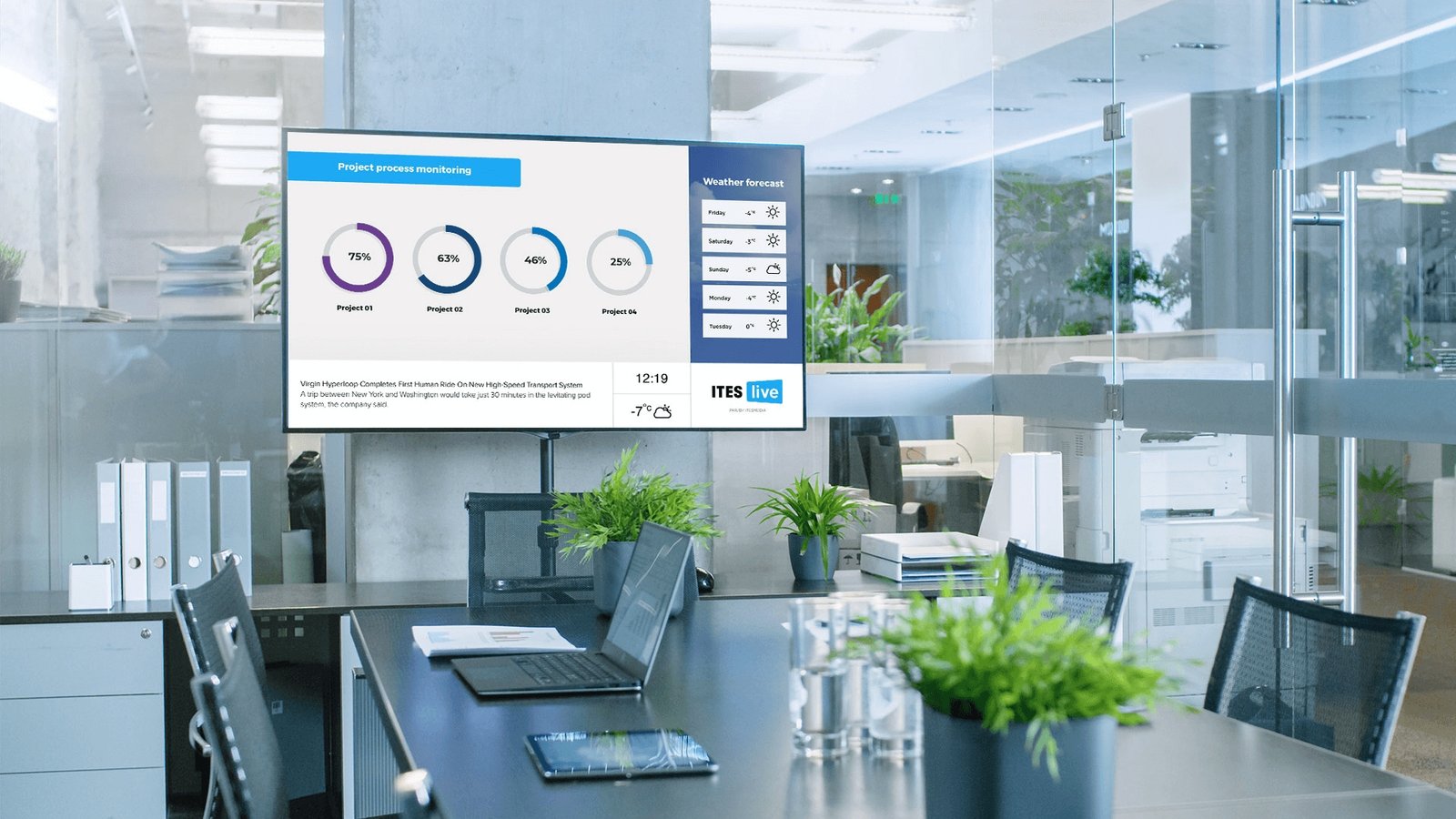
A building management system is a centralised platform that monitors and controls a building’s core services, typically HVAC, lighting, access control, security, and energy metering, from a single interface. Instead of a technician manually adjusting plant equipment floor by floor, a BMS lets one operator see the entire building’s performance in real time and respond to issues before they become expensive.
At its core, a BMS is made up of three layers:
- Field devices: sensors, actuators, and controllers that measure temperature, air flow, occupancy, and equipment status
- Automation and control logic: the layer that processes that data and decides how plant equipment should respond
- A supervisory platform: the dashboard where facility managers monitor, adjust, and generate reports
When these layers are properly integrated, a building effectively starts managing itself, with people stepping in only when something needs a decision.
Why Buildings Are Investing in BMS Now
A handful of pressures are pushing building owners toward BMS upgrades:
Rising energy costs. HVAC alone can account for a large share of a commercial building’s energy bill. A BMS identifies waste, such as plant running outside occupied hours, conflicting heating and cooling calls, or poorly tuned setpoints, and corrects it automatically.
Sustainability targets. NABERS ratings, green lease clauses, and ESG reporting all depend on accurate, ongoing data about how a building consumes energy. A BMS is usually the source of that data.
Occupant expectations. Tenants and staff notice when a space is too hot, too cold, or the air feels stale. A well-tuned BMS keeps conditions consistent without someone manually intervening every time the weather changes.
Ageing or fragmented systems. Many buildings still run older, closed-protocol systems that lock the owner into a single vendor for every service call and software licence. That dependency becomes expensive and inflexible over time.
Open Protocol vs Closed Protocol: The Decision That Matters Most
This is the choice that shapes a building’s flexibility for the next 10–15 years, and it’s worth understanding before signing off on any BMS installation.
Closed-protocol systems tie the building’s licence to one authorised dealer. Every future service call, upgrade, or integration has to go through that dealer, so there’s no competitive tension on price and no ability to bring in a different provider if service quality drops.
Open-protocol systems hand full licence and administrator control to the building owner. Any qualified integrator can service, expand, or upgrade the system, and it can talk to third-party equipment without proprietary workarounds. For a facility manager, this is the difference between owning the system outright and renting access to it indefinitely.
Open, standards-based platforms, such as those built on Niagara N4, also make it far easier to fold in new equipment, additional buildings, or future technology without ripping out what’s already installed.
What a Modern BMS Should Include
A capable, future-ready BMS installation typically covers:
- Design and installation that integrates HVAC, lighting, access control, and energy management into one automated platform, rather than treating each as a standalone system.
- Interoperability using open protocols and industry standards, so the BMS can communicate cleanly with third-party equipment already on site.
- Real-time monitoring and control through a web-based platform, giving facility managers live visibility of energy use, fault detection, and overall building performance from any location.
- Ongoing maintenance and support, including proactive servicing and operator training, so the system keeps performing as intended long after handover.
Who Benefits From a BMS
BMS installations aren’t limited to office towers. The same principles apply across:
- Shopping and retail centres, where HVAC and lighting run across large, variable-occupancy spaces
- Airports and transport infrastructure, where uptime and safety systems are non-negotiable
- Sports and training facilities, where consistent conditions matter for both people and equipment
- Telecommunications and critical infrastructure sites, where plant reliability is the priority
- Industrial and mixed-use developments, where mechanical, electrical, and security systems need to work as one
Choosing a BMS Provider
Because a BMS touches nearly every system in a building, the provider matters as much as the platform itself. Look for:
- Open-protocol solutions that leave licence ownership with you, not the installer
- In-house design, installation, and support capability, rather than a project handed between subcontractors
- Established technology partnerships with recognised manufacturers, which typically indicate stronger product support and longer-term parts availability
- A track record on comparable buildings: ask for real project examples, not just brochure claims
- 24/7 support and proactive maintenance, since a BMS that isn’t maintained gradually drifts out of tune and stops delivering savings
How Leopard Controls Approaches BMS
Leopard Controls designs and installs open-protocol building management systems for commercial, industrial, and critical infrastructure projects across Australia, from our head office in Belmont, WA, and our Queensland office in Townsville. Our BMS platforms are built on open standards, including Niagara N4, and delivered in partnership with globally established manufacturers such as Siemens and Distech Controls.
Because our systems are open protocol, building owners retain full licence ownership and administrator control from day one, with no lock-in to a single dealer for future servicing or upgrades. Our in-house team handles the full lifecycle: design, installation, integration with existing plant and third-party systems, and ongoing maintenance and support.
We’ve delivered BMS installations across shopping centres, airports, sporting facilities, and telecommunications infrastructure, including Karrinyup Shopping Centre, Perth Airport, and the West Coast Eagles training facility.
If you’re planning a new BMS installation or looking to move an existing building off a closed-protocol system, get in touch with Leopard Controls or learn more about our Building Management Systems service.