

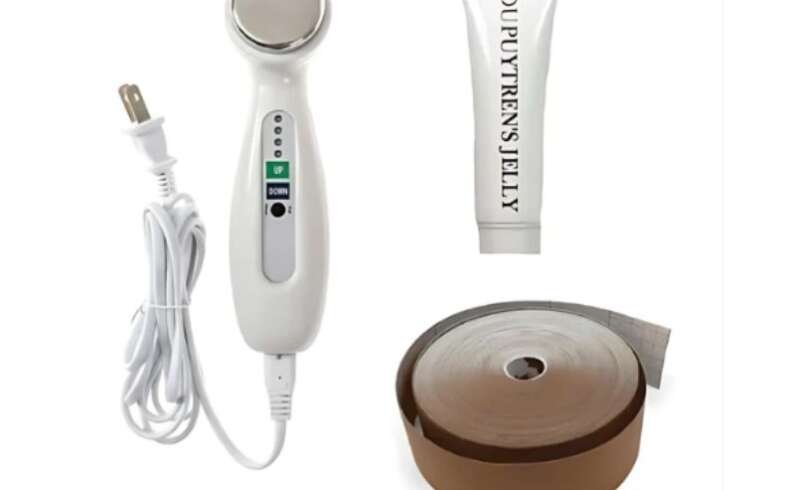

If you’ve noticed your fingers becoming harder to straighten or a thick cord developing in the palm of your hand, you may be dealing with Dupuytren’s contracture. This condition develops gradually and can make everyday tasks like gripping a cup, shaking hands, or placing your hand flat on a table more difficult.
While home care cannot reverse the condition or remove the thickened tissue, several Dupuytren’s contracture home remedies may help maintain hand mobility, reduce stiffness, and support overall comfort. When combined with guidance from a healthcare professional, these simple strategies can become part of a long-term hand care routine.
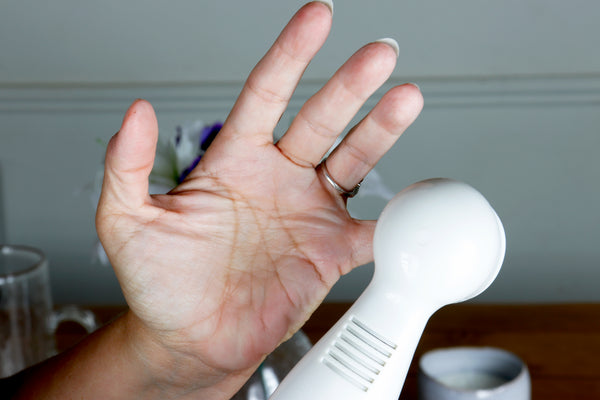
What Is Dupuytren’s Contracture?
Dupuytren’s contracture is a hand condition that affects the connective tissue beneath the skin of the palm. Over time, this tissue thickens and tightens, causing one or more fingers—most often the ring and little finger—to bend toward the palm.
Although the exact cause remains unclear, several factors increase the likelihood of developing the condition, including:
- Family history
- Age over 50
- Male gender
- Diabetes
- Smoking
- Excessive alcohol use
Because the condition usually progresses slowly, many people look for supportive at-home care before considering medical treatment.
Best Dupuytren’s Contracture Home Remedies
1. Gentle Hand Stretching
Regular stretching may help preserve finger flexibility and reduce feelings of tightness. Gentle movements should never be painful.
Simple exercises include:
- Opening your hand as wide as comfortable
- Gently extending affected fingers
- Placing your palm flat on a table and pressing lightly
Perform stretches slowly for several minutes each day.
2. Warm Compress Therapy
Applying gentle heat before stretching can help loosen stiff tissues and improve comfort.
Try using:
- A warm towel
- A heating pad on low setting
- Warm water soaks for 10–15 minutes
Avoid excessive heat that could irritate the skin.
3. Hand Massage
Light massage encourages circulation and may temporarily reduce muscle tension around the affected area.
Use slow circular motions across the palm while avoiding aggressive pressure on the thickened cords.
Support Healthy Hand Movement
Maintaining hand function is an important part of daily life.
Helpful habits include:
- Moving your fingers throughout the day
- Taking breaks from repetitive gripping tasks
- Avoiding prolonged hand strain
- Practicing gentle range-of-motion exercises
Consistency often provides better results than occasional intensive sessions.
Can Natural Oils Help?
Many people explore natural oils as part of their daily hand care routine.
Some commonly used options include:
- Castor oil
- Coconut oil
- Vitamin E oil
These oils may help moisturize the skin and make massage more comfortable. However, there is currently no strong scientific evidence showing that oils can dissolve or reverse Dupuytren’s contracture.
Healthy Lifestyle Habits That Support Hand Health
Although lifestyle changes cannot cure Dupuytren’s contracture, they may contribute to better overall tissue health.
Consider:
- Eating a balanced diet rich in fruits and vegetables
- Staying physically active
- Drinking enough water
- Managing diabetes effectively
- Limiting smoking and excessive alcohol consumption
Healthy habits benefit the entire body, including joints and connective tissues.
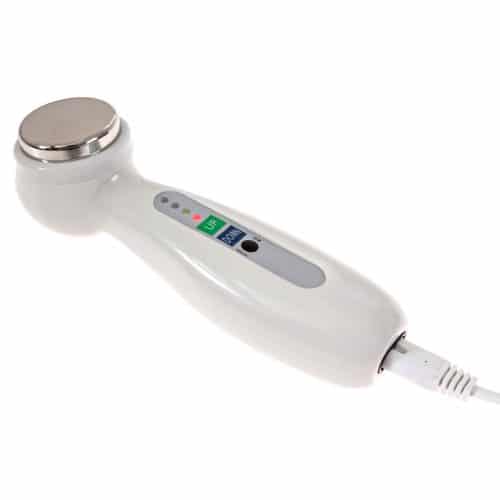
Hand Support Devices
Some people find additional comfort by using supportive hand therapy tools during their daily routine.
These products may assist with:
- Gentle stretching
- Hand mobility exercises
- Improving flexibility during home therapy
Supportive devices should always be used according to the manufacturer’s instructions and should not replace professional medical advice.
When Should You See a Doctor?
Home care works best during the early stages of the condition. Schedule a medical evaluation if you notice:
- Fingers becoming permanently bent
- Difficulty placing your hand flat
- Rapid progression
- Loss of hand function
- Increasing interference with work or daily activities
A hand specialist can recommend treatment options such as injections, needle procedures, or surgery when appropriate.
Frequently Asked Questions
Can Dupuytren’s contracture be treated naturally?
Natural approaches may support flexibility and comfort, but they cannot remove the thickened tissue responsible for the condition.
What are the best Dupuytren’s contracture home remedies?
Gentle stretching, warm compresses, massage, healthy lifestyle habits, and hand mobility exercises are among the most commonly recommended supportive practices.
Does massage break up Dupuytren’s cords?
No. Massage may improve comfort and circulation but cannot break down or eliminate the fibrous cords.
Is exercise good for Dupuytren’s contracture?
Gentle range-of-motion exercises may help maintain flexibility and hand function, although they do not stop disease progression.
When should home remedies stop?
If symptoms worsen, finger contracture increases, or daily activities become difficult, consult a healthcare professional for further evaluation.
If you’ve noticed your fingers becoming harder to straighten or a thick cord developing in the palm of your hand, you may be dealing with Dupuytren’s contracture. This condition develops gradually and can make everyday tasks like gripping a cup, shaking hands, or placing your hand flat on a table more difficult.
While home care cannot reverse the condition or remove the thickened tissue, several Dupuytren’s contracture home remedies may help maintain hand mobility, reduce stiffness, and support overall comfort. When combined with guidance from a healthcare professional, these simple strategies can become part of a long-term hand care routine.
What Is Dupuytren’s Contracture?
Dupuytren’s contracture is a hand condition that affects the connective tissue beneath the skin of the palm. Over time, this tissue thickens and tightens, causing one or more fingers—most often the ring and little finger—to bend toward the palm.
Although the exact cause remains unclear, several factors increase the likelihood of developing the condition, including:
- Family history
- Age over 50
- Male gender
- Diabetes
- Smoking
- Excessive alcohol use
Because the condition usually progresses slowly, many people look for supportive at-home care before considering medical treatment.
Best Dupuytren’s Contracture Home Remedies
1. Gentle Hand Stretching
Regular stretching may help preserve finger flexibility and reduce feelings of tightness. Gentle movements should never be painful.
Simple exercises include:
- Opening your hand as wide as comfortable
- Gently extending affected fingers
- Placing your palm flat on a table and pressing lightly
Perform stretches slowly for several minutes each day.
2. Warm Compress Therapy
Applying gentle heat before stretching can help loosen stiff tissues and improve comfort.
Try using:
- A warm towel
- A heating pad on low setting
- Warm water soaks for 10–15 minutes
Avoid excessive heat that could irritate the skin.
3. Hand Massage
Light massage encourages circulation and may temporarily reduce muscle tension around the affected area.
Use slow circular motions across the palm while avoiding aggressive pressure on the thickened cords.
Support Healthy Hand Movement
Maintaining hand function is an important part of daily life.
Helpful habits include:
- Moving your fingers throughout the day
- Taking breaks from repetitive gripping tasks
- Avoiding prolonged hand strain
- Practicing gentle range-of-motion exercises
Consistency often provides better results than occasional intensive sessions.
Can Natural Oils Help?
Many people explore natural oils as part of their daily hand care routine.
Some commonly used options include:
- Castor oil
- Coconut oil
- Vitamin E oil
These oils may help moisturize the skin and make massage more comfortable. However, there is currently no strong scientific evidence showing that oils can dissolve or reverse Dupuytren’s contracture.
Healthy Lifestyle Habits That Support Hand Health
Although lifestyle changes cannot cure Dupuytren’s contracture, they may contribute to better overall tissue health.
Consider:
- Eating a balanced diet rich in fruits and vegetables
- Staying physically active
- Drinking enough water
- Managing diabetes effectively
- Limiting smoking and excessive alcohol consumption
Healthy habits benefit the entire body, including joints and connective tissues.
Hand Support Devices
Some people find additional comfort by using supportive hand therapy tools during their daily routine.
These products may assist with:
- Gentle stretching
- Hand mobility exercises
- Improving flexibility during home therapy
Supportive devices should always be used according to the manufacturer’s instructions and should not replace professional medical advice.
When Should You See a Doctor?
Home care works best during the early stages of the condition. Schedule a medical evaluation if you notice:
- Fingers becoming permanently bent
- Difficulty placing your hand flat
- Rapid progression
- Loss of hand function
- Increasing interference with work or daily activities
A hand specialist can recommend treatment options such as injections, needle procedures, or surgery when appropriate.
Frequently Asked Questions
Can Dupuytren’s contracture be treated naturally?
Natural approaches may support flexibility and comfort, but they cannot remove the thickened tissue responsible for the condition.
What are the best Dupuytren’s contracture home remedies?
Gentle stretching, warm compresses, massage, healthy lifestyle habits, and hand mobility exercises are among the most commonly recommended supportive practices.
Does massage break up Dupuytren’s cords?
No. Massage may improve comfort and circulation but cannot break down or eliminate the fibrous cords.
Is exercise good for Dupuytren’s contracture?
Gentle range-of-motion exercises may help maintain flexibility and hand function, although they do not stop disease progression.
When should home remedies stop?
If symptoms worsen, finger contracture increases, or daily activities become difficult, consult a healthcare professional for further evaluation.