
A sprinkler line freezes during a January cold snap. A fire alarm panel fails on a Friday night. A contractor needs to weld inside an occupied building. In each case, a property manager in Minneapolis, St. Paul or anywhere in Minnesota may hear the same two words from the fire department or an insurer: fire watch.
This guide explains what a fire watch is, when it’s usually required, what the people doing it actually do, and how to set one up quickly without guesswork.
What is a fire watch?
A fire watch is a trained person, or a team, assigned to walk a building or site on a set schedule to look for fire, smoke and fire hazards, and to raise the alarm and call 911 right away if they find a problem. In short, people temporarily do the job that a building’s fire protection systems normally do automatically.
A fire watch doesn’t replace repairs. It covers the gap until sprinklers, alarms or other systems are working again, or until risky work like welding is finished and the area has cooled down.
When is a fire watch required?
Minnesota uses a state fire code based on the International Fire Code, and local fire officials enforce it. Exact requirements depend on your building and your local fire marshal, but a fire watch is commonly required in situations like these:
- Fire protection systems out of service. When a sprinkler system, fire alarm or standpipe is impaired or shut down, whether for repairs, a break or a power problem, the fire official can require a fire watch until it’s restored.
- Hot work. Welding, cutting, brazing and torch work can start fires that smolder for a long time before anyone notices. Federal OSHA rules call for a fire watch during hot work in certain conditions and for at least 30 minutes after the work ends.
- Construction and renovation. Sites where fire systems aren’t finished, or where they’ve been disconnected during work, often need a fire watch, especially overnight.
- Events and temporary uses. Large gatherings, temporary structures or unusual uses of a building can lead the fire marshal to require trained fire watch staff.
- Insurance requirements. Even when the fire code doesn’t require it, your insurer may require a fire watch during an impairment as a condition of coverage.
If you’re not sure, call your local fire department or fire marshal. They’re the authority on whether a fire watch is required, how often rounds must happen and how they must be documented.
What a fire watch officer does
A good fire watch is more than someone sitting at the front desk. Typical duties include:
- Regular patrols of every area covered by the impaired system, on the schedule your fire official sets. Many require a full round at least once an hour.
- Checking for hazards: smoke, heat, the smell of burning, blocked exits, propped fire doors, overloaded outlets and flammable materials stored in the wrong place.
- Knowing the building: where the exits, fire extinguishers, pull stations and shut-offs are, and how to get people out.
- Calling 911 immediately if there’s a fire, then helping move people out and guiding firefighters when they arrive.
- Keeping a written log of every round: the time, the areas checked and anything found. Fire officials and insurers often ask to see it.
How to set up a fire watch quickly
When a system goes down, time matters. These steps keep things simple:
- Call your fire department or fire marshal and tell them which system is out, why, and how long you expect repairs to take. Ask what they require for the fire watch.
- Tell your insurer. Many policies require notice of impairments.
- Line up trained fire watch staff for the full period, including nights and weekends. Gaps in coverage are the biggest risk.
- Give the officers what they need: a floor plan, the areas affected, keys or access, emergency contacts and the location of extinguishers and exits.
- Agree on reporting: how often rounds happen, how they’re logged and who gets the reports.
- Fix the system and confirm with the fire official before ending the fire watch.
What to look for in a fire watch provider
Fire watch is often needed on short notice and for unpredictable lengths of time, so the provider matters. Ask:
- Can you start today, including nights and weekends? Fire systems rarely fail at a convenient time.
- Are your officers trained for fire watch? They should know how to spot hazards, use extinguishers, evacuate a building and work with firefighters.
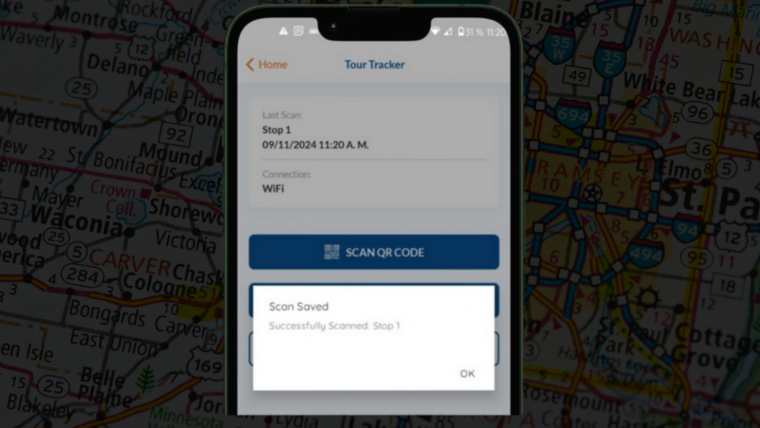
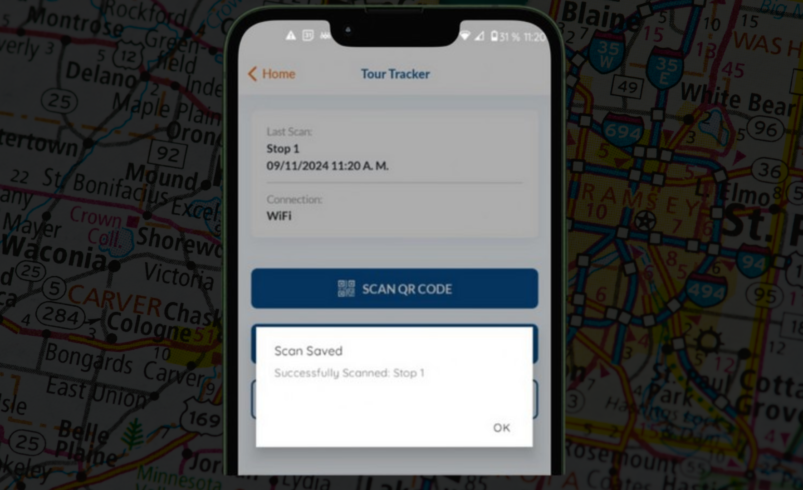
- How do you prove rounds happened? Electronic checkpoint scans with time stamps, plus written logs, give you records you can show the fire marshal or your insurer.
- Are you licensed and insured? In Minnesota, companies that provide security officers must hold a protective agent license from the state’s Private Detective and Protective Agent Services Board. Ask for the license number and a certificate of insurance.
- Who do I call if something changes? You want a direct line to dispatch and a supervisor who can make decisions.
Common mistakes to avoid
- Waiting to arrange coverage. Leaving a building unprotected, even for one night, puts people and property at risk and can create liability.
- Using untrained staff. Asking an employee to “keep an eye on things” between other duties rarely meets a fire official’s requirements.
- Poor records. If you can’t show when rounds happened, you may have trouble with the fire marshal or an insurance claim.
- Ending the watch too early. Keep the fire watch in place until repairs are complete and the fire official agrees the system is back in service.
The bottom line
A fire watch is a short-term safety measure that protects people and property while fire protection systems are down or risky work is underway. Check the requirements with your local fire official, arrange trained coverage right away, keep clear records of every round, and keep the fire watch going until the system is fully restored.
About the author: Watson Express Security is a 100% Black-owned, City of Minneapolis certified security company based in New Hope, Minnesota. Founded in 2019 and licensed by the State of Minnesota (license #2107), it provides fire watch services, unarmed and armed security officers and event security across Minneapolis, St. Paul and the Twin Cities, with 24/7 dispatch at 612-662-9311.