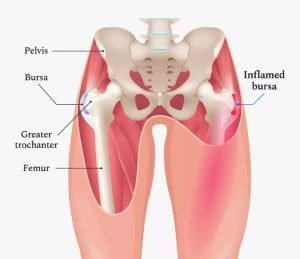

Hip Pain Doctor in Dallas: Causes, Treatment and When to Seek Care
Hip pain can make walking, sitting, climbing stairs, exercising, or sleeping difficult. Finding the right hip pain doctor in Dallas starts with understanding where the pain occurs, what triggers it, and which structures may be involved. Hip symptoms may come from the joint itself, surrounding muscles and tendons, or nerves in the lower back. A medical evaluation helps identify the source and determine an appropriate treatment plan.
Pain Doctor in Dallas, featuring Dr. Rao K. Ali, provides care for hip-related conditions through its pain management services. The clinic’s website describes evaluation and treatment options for joint, muscle, and nerve-related pain, including selected minimally invasive procedures.
What Causes Hip Pain?
The hip is a ball-and-socket joint where the upper part of the thigh bone meets the pelvis. Cartilage, muscles, tendons, ligaments, and other surrounding structures support movement and stability.
Pain may develop after an injury, from repetitive activity, or due to a medical condition affecting the joint or nearby tissues. Common causes include:
Hip Osteoarthritis
Osteoarthritis occurs when the protective cartilage within a joint wears down over time. Hip arthritis may cause deep aching, stiffness, and reduced movement.
Some people notice symptoms when walking, standing for long periods, or climbing stairs. Stiffness may also occur after sitting or resting.
Hip Bursitis
Bursae are small fluid-filled sacs that reduce friction between tissues. Inflammation around the outer hip may cause tenderness, pain when lying on the affected side, or discomfort during walking.
Muscle Strain or Tendon Injury
A sudden movement, sports activity, lifting, or repetitive exercise may strain muscles or tendons around the hip.
Symptoms Can include soreness, swelling, weakness, or pain during specific movements.
Hip Labral Tear
The labrum is a ring of cartilage that surrounds the hip socket. A tear may develop after an injury, repetitive twisting, or structural changes in the joint.
Some people experience groin pain, clicking, catching, or a feeling of restricted movement.
Hip Impingement
Femoroacetabular impingement occurs when the bones around the hip joint have an abnormal shape that causes contact during certain movements.
It may produce groin pain or stiffness during deep bending, squatting, or twisting.
Sciatica or Nerve-Related Pain
Hip-area symptoms may originate in the lower back. Irritation or compression of a nerve can cause pain that travels through the buttock, hip, thigh, or leg.
Nerve-related symptoms may include tingling, burning, numbness, or weakness.
The location of hip pain may provide useful clues, but it does not confirm a diagnosis. Mayo Clinic explains that groin pain often relates to structures inside the hip joint, while pain along the outer hip or upper thigh may involve surrounding soft tissues. Problems in the lower back may also cause referred hip pain.
Where Is Hip Pain Usually Felt?
The location of your symptoms can help a doctor understand which structures may need examination.
| Pain location | Possible causes |
| Front of the hip or groin | Hip arthritis, labral injury, hip impingement |
| Outer hip | Bursitis, tendon irritation, muscle problems |
| Buttock | Muscle conditions, lower-back or nerve problems |
| Hip and upper thigh | Joint conditions, tendon injury, referred nerve pain |
| Hip pain extending down the leg | Sciatica or other nerve-related conditions |
These patterns are not diagnostic. Several conditions may produce similar symptoms, and more than one issue may be present at the same time.
When Should You See a Hip Pain Doctor in Dallas?
Arrange a medical evaluation if hip symptoms are affecting your normal routine or do not improve with basic self-care.
You should seek an appointment if:
- Hip pain keeps returning.
- Walking or standing has become difficult.
- Pain interferes with sleep.
- You notice stiffness or reduced hip movement.
- Symptoms extend from the hip into the thigh or leg.
- You experience tingling, numbness, or weakness.
- Pain continues after a sports injury or other physical activity.
The NHS recommends medical advice when hip pain affects daily activities or sleep, becomes worse, repeatedly returns, or does not improve after home treatment.
When Is Hip Pain an Emergency?
Seek urgent medical attention after a fall or injury if you have severe hip pain, cannot walk or put weight on the leg, or notice a visible change in the shape of the hip or leg.
A hot, swollen hip accompanied by fever or feeling unwell may indicate an infection and needs urgent assessment.
Do not wait for a routine appointment if you have these warning signs.
Which Specialist Treats Hip Pain?
Different specialists treat different causes of hip pain. The right choice depends on the suspected condition and the type of care required.
Orthopedic Hip Specialist
An orthopedic specialist evaluates conditions affecting bones, joints, cartilage, and related structures.
Orthopedic care may be appropriate for:
- Hip arthritis
- Hip fractures
- Labral tears
- Hip impingement
- Structural joint problems
- Conditions that may require surgical treatment
An orthopedic surgeon may recommend nonsurgical care or discuss surgery when the condition requires it.
Interventional Pain Management Doctor
An interventional pain management doctor evaluates pain involving joints, nerves, muscles, and related structures.
This type of specialist may be appropriate when hip symptoms involve nerve irritation, joint inflammation, or pain that has not improved with initial treatment.
Treatment may include medication guidance, rehabilitation recommendations, selected injections, or other procedures when medically appropriate.
Physical Therapist
Physical therapy may be part of treatment for muscle weakness, limited movement, balance problems, or recovery after an injury.
A physical therapist develops exercises and movement strategies based on the diagnosis and the patient’s ability.
Your primary care doctor or specialist can help determine which type of provider should evaluate your symptoms first.
How Is Hip Pain Diagnosed?
A hip pain doctor begins by reviewing your symptoms and medical history. The evaluation may include questions about when the pain started, where it occurs, and which activities make it worse.
A clinical examination may include:
- Checking hip movement and flexibility
- Evaluating strength
- Observing walking and posture
- Examining the lower back
- Checking for signs of nerve involvement
- Identifying areas of tenderness
Imaging may be recommended when the examination suggests a need for further investigation.
An X-ray may show certain bone or joint changes. MRI may be used when a doctor needs more information about soft tissues, cartilage, or other structures.
Not every person with hip pain requires imaging. The decision depends on the symptoms, examination findings, and suspected cause.
What Treatments May Be Used for Hip Pain?
Hip pain treatment depends on the diagnosis, symptom severity, medical history, and functional needs.
Activity Modification
Reducing activities that aggravate symptoms may give irritated tissues time to recover.
This may include temporarily limiting heavy lifting, repeated deep squats, high-impact exercise, or prolonged pressure on the affected hip.
Complete inactivity is not usually necessary for every condition. Your clinician can recommend an appropriate level of movement.
Physical Therapy and Exercise
A physical therapist may recommend exercises to improve strength, flexibility, balance, and joint movement.
The exercise plan should match the diagnosis. Exercises that help one condition may aggravate another, so avoid forcing painful movements without medical guidance.
Medication
A clinician may recommend medication to manage symptoms or inflammation.
The choice depends on your medical history, other medications, allergies, and potential side effects. Do not start or increase medication without checking that it is appropriate for you.
Hip or Bursa Injections
Selected patients may be considered for an injection targeting a specific joint or surrounding structure.
The purpose of an injection depends on the medication and the condition being treated. Injections are not appropriate for every cause of hip pain, and benefits and risks should be discussed with the treating clinician.
Nerve Blocks and Other Interventional Procedures
When symptoms are related to nerve irritation or another condition suitable for an interventional approach, a pain specialist may discuss procedures such as nerve blocks.
The procedure should be selected only after identifying the likely source of symptoms and reviewing the patient’s medical history.
Surgery
Surgery may be discussed for certain fractures, advanced joint damage, or structural conditions when nonsurgical treatment is not suitable or has not provided adequate benefit.
A surgical recommendation depends on the diagnosis and individual clinical circumstances.
What Can You Do at Home for Mild Hip Pain?
For mild symptoms without warning signs, some simple steps may help while you monitor your condition.
- Reduce activities that trigger pain.
- Apply a wrapped ice pack for short periods.
- Avoid lying directly on the painful side if it increases symptoms.
- Use supportive footwear.
- Keep movement gentle and within a comfortable range.
- Avoid heavy lifting or movements that sharply increase pain.
Do not use home care as a substitute for medical evaluation when symptoms are severe, worsening, or affecting your ability to walk.
Hip Pain Treatment in Dallas at Pain Doctor in Dallas
Pain Doctor in Dallas features Dr. Rao K. Ali and provides pain management services for joint-related, nerve-related, and other pain conditions.
The clinic’s hip pain treatment information lists evaluation and treatment options that may include medication, physical therapy recommendations, activity modification, hip joint injections, bursa injections, sacroiliac joint injections, nerve blocks, and other selected procedures.
Treatment recommendations depend on the patient’s diagnosis and clinical evaluation. Not every treatment is appropriate for every person.
You can learn more about the clinic’s hip pain treatment services in Dallas.
For appointment information, visit the Pain Doctor in Dallas appointment page or call 469-562-4188.
Frequently Asked Questions
What kind of doctor should I see for hip pain?
An orthopedic specialist may be appropriate for joint, bone, or structural hip conditions. An interventional pain management doctor may evaluate joint-related or nerve-related pain and discuss selected nonsurgical treatment options. The right specialist depends on the suspected cause.
Can lower-back problems cause hip pain?
Yes. Certain lower-back conditions can cause referred pain into the buttock, hip, thigh, or leg. Nerve irritation may also cause tingling, numbness, or weakness.
Does hip pain always mean arthritis?
No. Hip pain may result from arthritis, bursitis, muscle strain, tendon injury, labral tears, nerve irritation, or other conditions. A medical evaluation is needed to identify the cause.
Do hip injections help every type of hip pain?
No. Injections are used for selected conditions and are not suitable for every diagnosis. A clinician should explain the expected purpose, possible benefits, risks, and alternatives before recommending one.
When should I seek urgent care for hip pain?
Seek urgent medical attention if you cannot put weight on your leg after an injury, have severe pain after a fall, or develop a hot, swollen hip with fever. These symptoms may indicate a serious condition that requires prompt care.
Take the Next Step for Hip Pain
Hip pain can have several causes, and the right treatment begins with identifying the source. An evaluation can help determine if symptoms are related to the hip joint, surrounding tissues, or the lower back.
If hip pain is affecting your daily activities, contact Pain Doctor in Dallas to learn about evaluation and treatment options with Dr. Rao K. Ali.
Call 469-562-4188 or request an appointment online.
This article is for educational purposes and is not a substitute for medical diagnosis or treatment. Seek urgent medical care for severe symptoms or warning signs.