
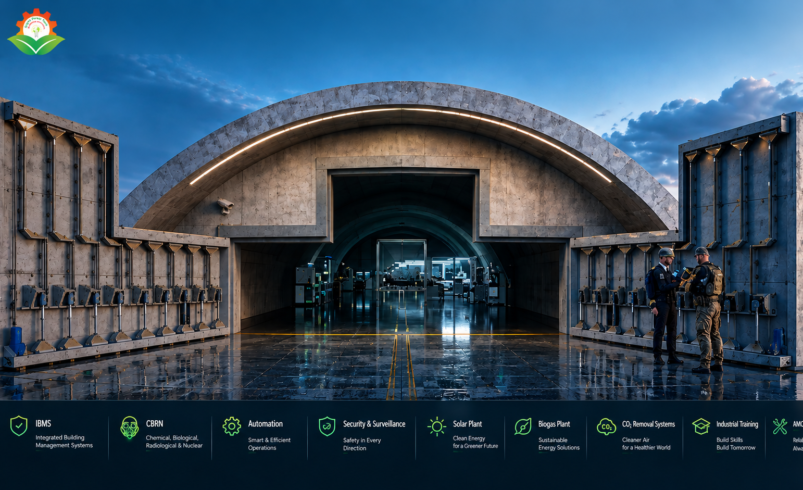

A regional airport scheduled routine maintenance for its fleet after a week of continuous flight operations. As technicians prepared to move an aircraft into the hangar, they noticed the Hangar door operating unevenly, producing excessive vibration and taking longer to open than normal. Fortunately, the issue was identified before it caused operational downtime or damage to the aircraft. Situations like this demonstrate that the lifespan of a hangar door depends not only on its original engineering but also on how well it is maintained throughout its service life.
Why Hangar Door Longevity Matters
A Hangar door is one of the most heavily used mechanical systems in an aviation facility. Every opening cycle places stress on structural members, rollers, tracks, drive motors, bearings, and automation systems.
Whether installed at a commercial airport, military airbase, or maintenance, repair, and overhaul (MRO) facility, these doors are expected to operate reliably for decades. Poor maintenance, improper operation, or low-quality components can significantly shorten their lifespan and increase operating costs.
Extending the service life of a hangar door reduces repair expenses, minimises downtime, improves aircraft protection, and ensures uninterrupted facility operations.
Understanding What Affects Hangar Door Lifespan
Engineering Quality Plays the Biggest Role
The durability of an Aircraft hangar door begins long before installation. Structural design, fabrication quality, welding accuracy, material selection, and manufacturing precision all determine how well the system performs over thousands of operating cycles.
A properly engineered Hangar door design distributes structural loads evenly, reducing unnecessary stress on moving components while maintaining smooth and reliable operation.
Best Practices to Extend the Life of a Hangar Door
Perform Regular Preventive Inspections
Routine inspections allow maintenance teams to identify wear before it develops into major failures.
Inspection programmes should include:
- Structural frame condition
- Track alignment
- Roller wear
- Bearings
- Drive motors
- Gearboxes
- Electrical wiring
- Safety sensors
- Fasteners
- Weather seals
Early intervention prevents expensive repairs and avoids unexpected operational interruptions.
Keep Tracks Clean
Dust, sand, debris, and foreign objects inside guide tracks increase friction and place unnecessary loads on rollers and drive systems.
Cleaning tracks regularly helps maintain smooth movement while reducing mechanical wear.
Lubricate Moving Components
Proper lubrication significantly extends the life of moving parts.
Rollers, bearings, hinges, drive chains, and gear assemblies should be lubricated using products recommended by the manufacturer. Over-lubrication or the use of unsuitable lubricants can be just as harmful as insufficient maintenance.
Monitor Door Alignment
Even small alignment issues can increase stress throughout the operating system.
Regular checks ensure tracks remain level, rollers move freely, and structural components remain correctly positioned after repeated opening cycles.
Test Automation Systems
Modern airplane hangar doors rely on sophisticated automation to improve operational efficiency and safety.
Routine testing should include:
- Motor performance
- Limit switches
- Position sensors
- Emergency stop systems
- Obstacle detection
- Manual override functions
- Remote-control operation
Well-maintained automation reduces unnecessary mechanical strain while improving reliability.
Engineering Features That Support Longer Service Life
High-quality hangar doors are designed with durability in mind.
Structural Strength
Heavy-duty steel or aluminium framing resists fatigue while supporting large clear-span openings.
Corrosion Resistance
Protective coatings, galvanised components, and stainless-steel hardware reduce corrosion caused by moisture, chemicals, and coastal environments.
Wind-Load Resistance
Proper structural engineering protects the door against deformation during storms and high-wind conditions, helping preserve alignment and operational reliability.
Weather Protection
Effective seals prevent rain, dust, and airborne contaminants from entering the hangar while protecting internal mechanical components.
Low-Maintenance Components
Precision rollers, sealed bearings, robust guide systems, and quality drive mechanisms reduce maintenance frequency without compromising performance.
Security Performance
Integrated locking systems and controlled automation help protect both aircraft and facility infrastructure while reducing unauthorised access.
Where Long-Life Hangar Doors Deliver Maximum Value
Reliable hangar door systems are essential across numerous sectors, including:
- Commercial aircraft hangars
- Military airbases
- Defence facilities
- MRO centres
- Aerospace manufacturing plants
- Helicopter hangars
- Aviation training academies
- Industrial warehouses
- Logistics hubs
- Government aviation facilities
Each application places different operational demands on the door, making preventive maintenance an important part of facility management.
Cost and Investment Factors
Increasing the lifespan of a hangar door is often more economical than replacing major components prematurely.
Long-term investment depends on factors such as:
- Door dimensions
- Material quality
- Structural engineering requirements
- Wind-load ratings
- Automation complexity
- Operating frequency
- Safety systems
- Installation quality
- Manufacturing precision
- Preventive maintenance schedules
Although higher-quality systems may require greater initial investment, they typically deliver lower lifecycle costs through improved reliability and reduced repair requirements.
Buyer’s Guide: Selecting Reliable Hangar Door Manufacturers in India
Choosing experienced Hangar door manufacturers in India is one of the most effective ways to maximise long-term performance.
When comparing suppliers, buyers should evaluate:
Engineering Expertise
Manufacturers should have proven experience designing large-span aviation doors capable of handling demanding operating conditions.
Manufacturing Standards
Precision fabrication, certified welding procedures, dimensional accuracy, and rigorous quality control contribute directly to service life.
Customisation Capability
Every aviation facility has unique operational requirements. Manufacturers should provide customised solutions that match aircraft size, building layout, and expected operating cycles.
Installation and Technical Support
Professional installation reduces alignment problems and improves long-term reliability. Ongoing maintenance support and spare parts availability are equally important.
For readers looking to understand different configurations and engineering considerations, this technical guide on Hangar door explains how modern aviation door systems are designed for durability, operational efficiency, and long-term performance.
Common Mistakes That Shorten Hangar Door Lifespan
Several avoidable mistakes reduce the operational life of large aviation doors.
- Choosing suppliers based only on the lowest price.
- Ignoring structural engineering requirements.
- Selecting an unsuitable door configuration.
- Delaying preventive maintenance.
- Overlooking local weather and wind conditions.
- Failing to inspect automation systems regularly.
- Using non-approved replacement components.
- Not planning for future aircraft fleet expansion.
Addressing these issues early helps prevent expensive failures and unnecessary downtime.
The Value of an Integrated Engineering Approach
Long-term reliability depends on more than manufacturing alone.
For example, Sigma Power Tech Hangar door solutions follow a sigma power tech manufacturer and service provider model that combines engineering, manufacturing, installation, commissioning, and lifecycle maintenance support. This integrated approach helps ensure consistent quality, efficient operation, and dependable performance throughout the life of the system.
Conclusion
A well-maintained Hangar door is a long-term investment that supports aircraft safety, operational efficiency, and reliable facility performance. Regular inspections, proper lubrication, automation testing, structural assessments, and timely maintenance significantly extend the lifespan of these critical systems while reducing overall operating costs.
When selecting Hangar door manufacturers in India, facility owners should prioritise engineering expertise, manufacturing quality, installation precision, and long-term technical support. A professionally engineered Aircraft hangar door that receives consistent preventive maintenance will provide decades of dependable service, protecting valuable aircraft and ensuring efficient operations across modern aviation and industrial facilities.