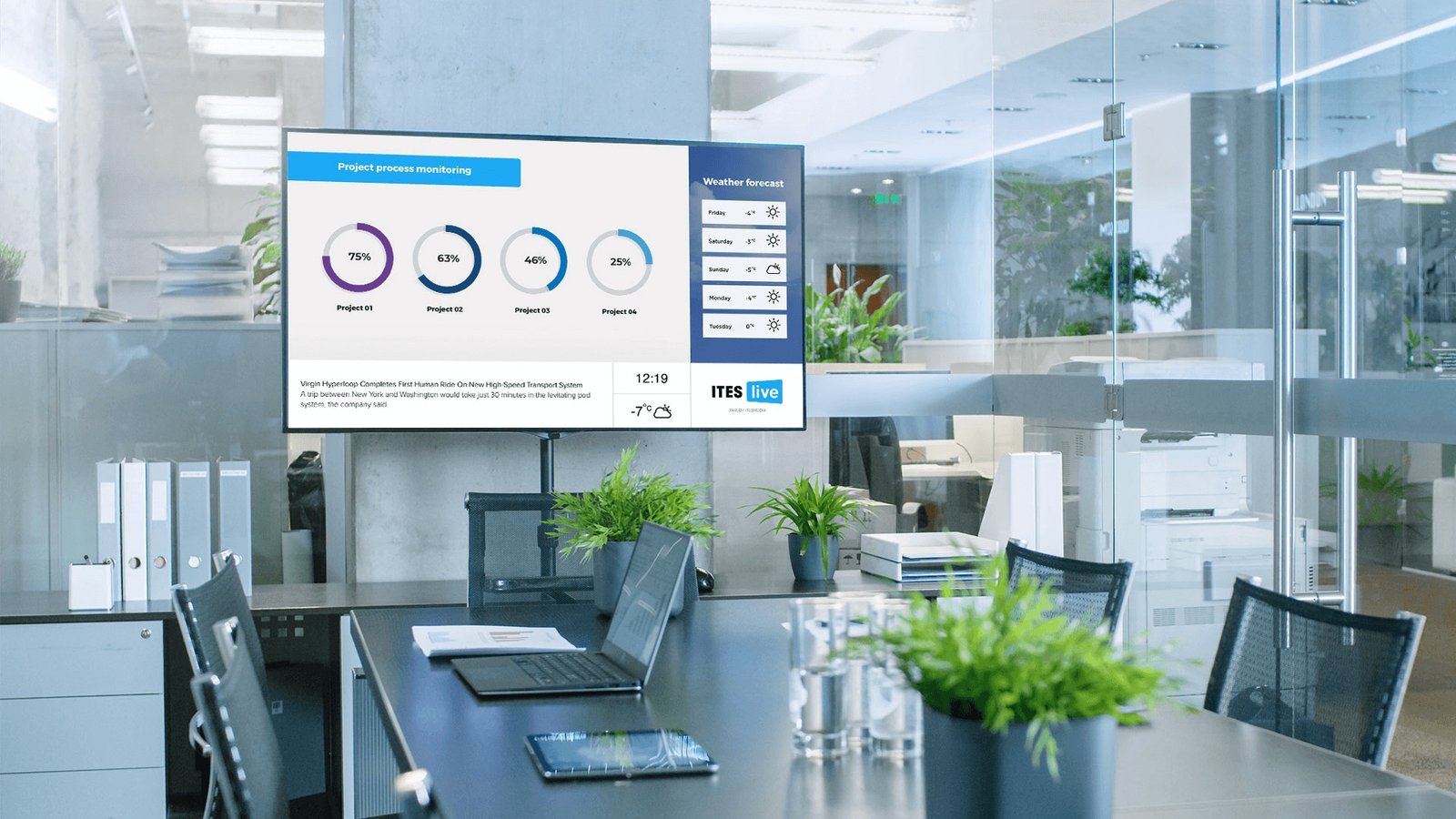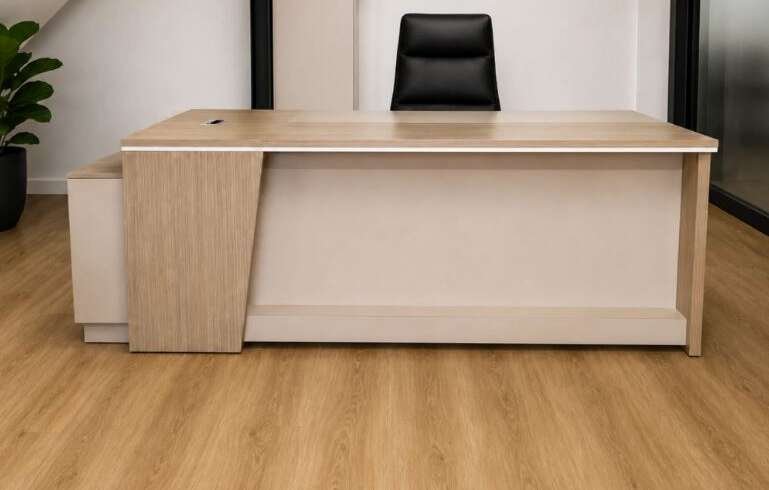

A productive workplace starts with a comfortable and well-organized environment. Employees need suitable furniture to complete their daily responsibilities, manage documents, use computers, and communicate with colleagues. The design and arrangement of office furniture can influence how efficiently people perform their tasks. A carefully selected Office Desk provides a practical working surface while supporting organization, comfort, and professional appearance. Whether a business operates from a small office, a corporate building, or a home workspace, choosing the right desk can make everyday activities easier. Modern workplaces require furniture that combines durability, functionality, and attractive design. By considering available space, employee requirements, storage options, and material quality, businesses can create workstations that support their operations and provide a comfortable experience throughout the working day.
The Role of Office Desks in Modern Work Environments
Office furniture is more than a collection of items used to fill a workplace. It creates the foundation for everyday business activities. Employees depend on their workstations to complete assignments, attend virtual meetings, organize paperwork, and manage important information. A suitable desk provides enough room for these activities while keeping essential equipment accessible.
Modern businesses also recognize the importance of creating work environments that encourage concentration and collaboration. A properly arranged workstation helps employees maintain their focus and manage their responsibilities. When desks are selected according to departmental requirements, workers can organize their tasks more effectively.
For example, an accounting department may need desks with additional storage for files and documents. Employees working in digital marketing may require larger surfaces for computers, monitors, and other electronic equipment. Managers may prefer executive desks that provide space for meetings and administrative activities. Understanding these differences helps businesses choose furniture that serves practical purposes.
Popular Office Desk Styles for Different Business Needs
Different desk styles offer different advantages. The best option depends on the available office space, type of work, and preferred interior design. Executive desks are generally suitable for private offices and management departments. They often feature spacious surfaces, attractive finishes, and additional storage compartments. Their professional appearance makes them a common choice for senior employees.
Computer desks are designed for employees who spend most of their working hours using digital devices. They may include keyboard trays, monitor spaces, cable openings, and storage shelves. These features help organize electronic equipment and maintain a clean workstation.
Corner desks are particularly useful in offices with limited floor space. Their shape allows businesses to utilize corners that might otherwise remain unused. L-shaped desks provide additional working areas and can accommodate multiple monitors, documents, and office accessories.
Standing desks are another option for businesses interested in flexible workstation arrangements. Adjustable models allow employees to change their working position throughout the day. Writing desks, meanwhile, offer straightforward designs for employees who need a clean surface for paperwork, reading, or basic administrative tasks.
Selecting the Right Desk According to Office Space
Available floor space should be one of the first considerations when purchasing office furniture. A desk that is too large can restrict movement, while a small desk may not provide enough room for essential equipment. Businesses should measure their office areas before purchasing furniture to avoid unnecessary space-related problems.
Small offices can benefit from compact furniture with practical storage features. Wall-mounted shelves, corner desks, and slim workstation designs can help maximize available space. Choosing furniture with a simple structure can also make smaller rooms feel less crowded.
Larger workplaces have more options for arranging individual and shared workstations. Businesses can create separate sections for management, administration, customer support, and collaborative activities. Proper spacing between desks allows employees to move comfortably and reduces congestion around common areas.
It is also important to consider doorways, windows, electrical outlets, and walking paths when planning furniture placement. Desks should not block access to essential office facilities. A thoughtful layout improves accessibility and makes the workplace easier to manage.
Materials That Influence Desk Quality and Durability
The material used in office furniture affects its appearance, strength, maintenance, and overall lifespan. Businesses should compare different materials before selecting furniture for their workplaces.
Laminated surfaces are widely used because they offer different colors, textures, and finishes. They are generally easy to clean and can provide a professional appearance without requiring extensive maintenance. These desks are suitable for everyday office activities and can complement different interior styles.
Solid wood furniture offers a natural appearance and a traditional finish. It is often selected for executive offices, meeting rooms, and professional reception areas. However, its cost and maintenance requirements may be higher than those of other materials.
Metal desks are known for their sturdy construction and practical design. They can be useful in industrial workplaces, administrative departments, and environments where furniture experiences frequent use. Engineered wood is another common option because it can offer an affordable balance between appearance and functionality.
When comparing materials, businesses should examine surface quality, edge finishing, joints, supporting structures, and overall construction. A strong frame and quality fittings can contribute to better long-term performance.
Creating an Organized Workspace With Smart Storage
A cluttered workstation can make it difficult for employees to locate important documents and office supplies. Storage features help maintain a clean working surface and improve everyday organization. Desks with drawers, shelves, and built-in compartments provide convenient spaces for storing frequently used items.
Mobile pedestals are particularly useful because employees can move them according to their workstation arrangements. They commonly provide drawers for stationery, files, and personal belongings. Lockable storage compartments can also help protect confidential documents.
Cable management is another useful feature in modern office furniture. Computers, monitors, printers, and charging devices often require multiple cables. Without proper organization, wires can become tangled and create an untidy appearance. Cable management openings and trays help keep connections organized.
Businesses should choose storage options according to their employees’ responsibilities. Workers who handle large amounts of paperwork may require additional drawers, while computer-based employees may prefer more open desk space. Selecting practical storage features helps maintain an efficient workplace.
Ergonomic Features That Support Employee Comfort
Employee comfort is an important consideration when designing workstations. People who spend several hours at their desks need furniture that supports suitable working positions. Desk height, surface depth, legroom, and equipment placement all contribute to workstation comfort.
A desk should allow employees to position their arms comfortably while typing or writing. There should also be enough space underneath the surface for natural leg movement. Employees should avoid placing frequently used equipment too far away because repeated reaching can create unnecessary discomfort.
Monitor placement is equally important. Computer screens should be positioned at a comfortable viewing height and distance. Keyboard and mouse placement should allow employees to keep their shoulders relaxed and wrists in a neutral position.
Combining desks with adjustable office chairs can further improve workstation arrangements. Chairs with suitable lumbar support, adjustable heights, and comfortable seating surfaces help employees maintain better sitting positions. Businesses should also encourage regular movement and short breaks during working hours.
Modern Desk Designs That Improve Office Appearance
Office interiors contribute to the overall impression a business creates for employees, customers, and visitors. Furniture design should complement the workplace’s architectural style and professional identity. Modern desk designs often focus on clean lines, practical shapes, and simple finishes.
Neutral colors such as white, grey, black, and natural wood shades are common choices for contemporary workplaces. These colors can work well with different wall finishes, flooring materials, and office accessories. Businesses can also introduce matching storage cabinets and workstation partitions to create a consistent interior appearance.
Minimalist desks are suitable for companies that prefer uncluttered spaces. Their simple structures help maintain a clean environment without unnecessary decorative elements. Executive desks with premium finishes can create a more formal atmosphere in management offices.
Modular workstations are useful for businesses that expect their office requirements to change. Their flexible configurations make it easier to reorganize departments, add employees, or adjust working areas without replacing all the furniture.
Maintaining Office Desks to Extend Their Lifespan
Regular maintenance helps businesses protect their furniture investments. Dust, stains, and everyday wear can affect the appearance of desk surfaces over time. Cleaning furniture with suitable products helps maintain its finish and prevents unnecessary damage.
Different materials require different cleaning methods. Laminated surfaces can generally be cleaned with a soft cloth and appropriate cleaning solution. Wooden desks may require products specifically designed for wood finishes, while metal components should be checked for signs of corrosion or loose fittings.
Employees should avoid placing excessive weight on desk surfaces. Heavy equipment should be positioned according to the manufacturer’s recommendations. Loose screws, unstable legs, and damaged drawers should be inspected and repaired when necessary.
Cable openings and storage compartments should also be kept organized. Regular inspections can identify small problems before they become more expensive to repair. A simple maintenance routine helps workplaces maintain clean and functional furniture for longer periods.
Important Factors to Review Before Buying Office Furniture
Purchasing furniture for a business requires careful planning. Companies should consider their budgets, available space, employee requirements, and expected furniture usage. Comparing different designs and specifications can help identify products that provide suitable value.
The first consideration should be functionality. Businesses should determine whether employees need computer desks, executive furniture, corner workstations, or shared office tables. The selected furniture should support actual working activities rather than simply matching the interior design.
Material quality is another important factor. Strong construction, reliable fittings, and easy-to-maintain surfaces can help reduce long-term replacement costs. Businesses should also review warranty coverage, delivery arrangements, and installation requirements.
Future expansion should not be overlooked. Companies planning to increase their workforce may benefit from modular furniture that can accommodate additional employees. Choosing flexible workstation solutions can make future office adjustments more convenient.
Conclusion
A well-organized workplace requires furniture that supports employee comfort, efficient operations, and professional presentation. Selecting suitable desk styles, durable materials, practical storage features, and appropriate dimensions can make a significant difference in everyday office activities. Businesses should evaluate their available space and working requirements before investing in new furniture. Regular maintenance and thoughtful workstation arrangements can also help extend furniture lifespan and maintain an attractive office environment. For businesses exploring practical furniture solutions, Modern desks and office cubicles offers a relevant name to consider when planning comfortable, functional, and organized workspaces.