Building a Functional Workplace with the Right Furniture
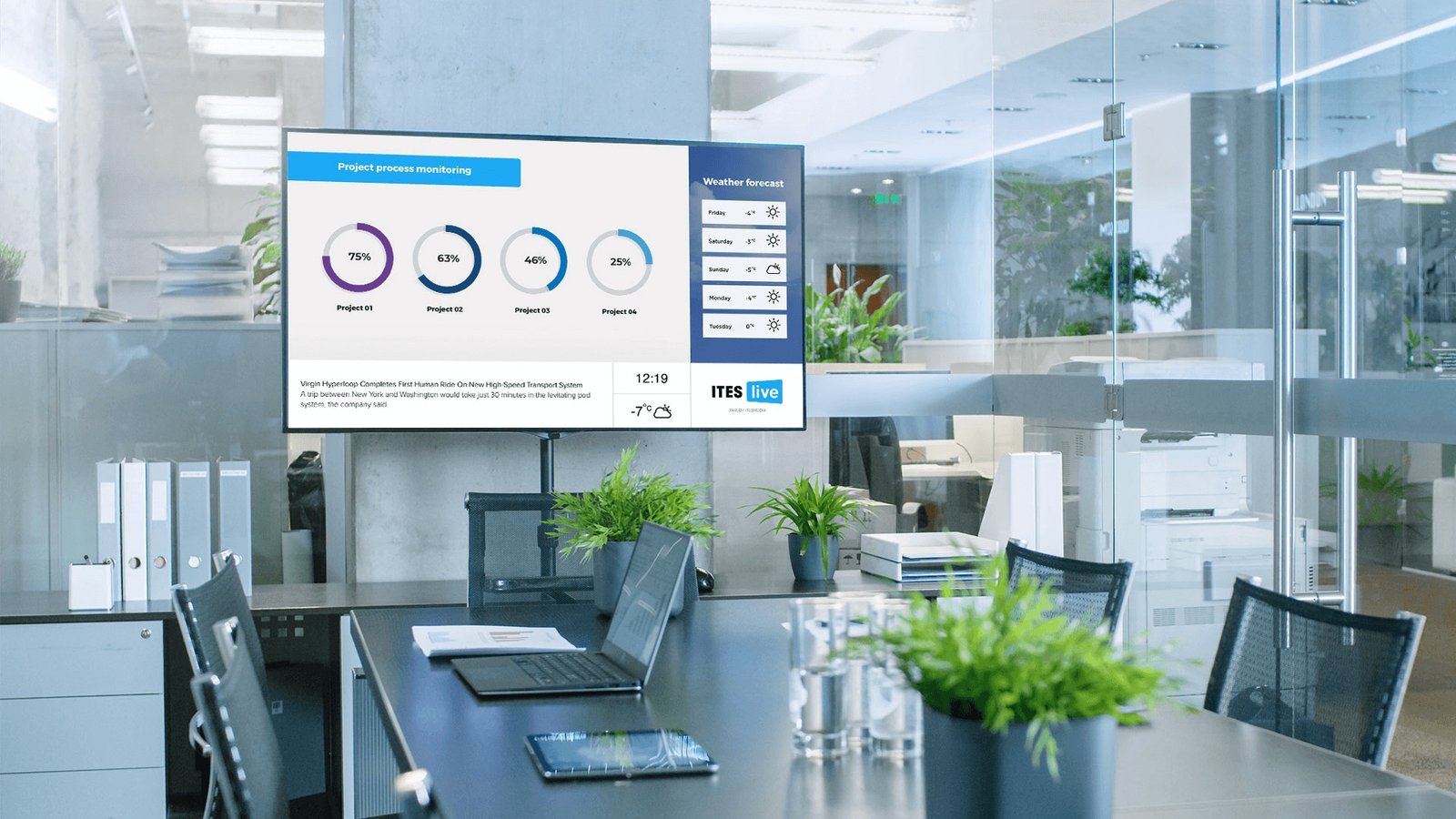
A successful workplace needs more than computers, employees, and office supplies. It also requires a comfortable and organized environment where people can perform their responsibilities efficiently. Choosing the right Office Furniture helps businesses create practical workspaces that support employee comfort, improve organization, and maintain a professional appearance. From individual workstations to executive desks and meeting room tables, every furniture selection should serve a specific purpose. Companies in Cebu are paying greater attention to workplace interiors because a well-arranged office can create a positive impression on employees, customers, and business partners. Whether furnishing a small startup, corporate headquarters, educational institution, or commercial workspace, selecting appropriate furniture is an important part of office planning.
Understanding the Different Types of Office Furniture
Office furniture comes in various styles, materials, and configurations to accommodate different business activities. Understanding these categories makes it easier to select products that match workplace requirements. Office desks provide dedicated working areas, while ergonomic chairs support comfortable seating during daily activities. Filing cabinets and storage units help employees organize important documents and office supplies. Conference tables create suitable spaces for team discussions, presentations, and business meetings.
Reception furniture is another important category because it helps establish the first impression of a company. A properly designed reception counter, visitor seating, and complementary tables can make the entrance more welcoming. Businesses with open-plan layouts may also require modular workstations and office partitions to organize employee areas without making the environment feel crowded.
Each furniture category serves a different purpose. Therefore, companies should evaluate their operational requirements before selecting products. This approach helps maintain a balanced office interior where functionality and appearance work together.
Executive Office Furniture for Professional Environments
Executive offices require furniture that reflects professionalism while providing practical working facilities. Managers, directors, and business owners often need spacious desks, comfortable seating, storage cabinets, and meeting arrangements for daily responsibilities. Selecting coordinated furniture can create a polished environment that supports important business activities.
Executive desks are available in different shapes, sizes, and finishes. L-shaped desks provide additional working surfaces, while traditional rectangular designs offer a simple and organized appearance. Some models include integrated drawers, storage compartments, and cable management features that help keep office equipment organized.
An executive chair should provide suitable back support, adjustable settings, and comfortable cushioning. Storage cabinets and bookshelves can complement the desk while providing space for business documents and reference materials. Businesses should consider the available room dimensions before selecting executive furniture to ensure that the arrangement remains practical and spacious.
Modular Workstations for Organized Office Layouts
Modern businesses often need flexible workspaces that accommodate different departments and employee responsibilities. Modular workstations provide an effective solution because they can be arranged in various configurations according to available floor space. They are particularly useful for companies with multiple employees who require individual working areas.
These workstations can include desks, partitions, storage pedestals, and cable management facilities. Their modular construction makes it easier to adjust the layout when departments expand or workplace requirements change. Businesses can choose individual desk arrangements, shared workstation systems, or interconnected configurations.
Office partitions also help establish boundaries between employees without requiring permanent walls. Fabric, laminated, and glass partition options provide different levels of privacy and visual openness. A carefully planned workstation layout can support collaboration while giving employees enough personal working space.
Selecting the Right Office Furniture for Employee Productivity
Employee productivity depends on several workplace factors, including comfort, organization, lighting, and available equipment. Furniture plays an important role because employees interact with their desks and chairs throughout the working day. Poorly arranged workstations can make routine activities less convenient, while suitable furniture helps create an environment that supports concentration.
Businesses should prioritize desks with adequate working surfaces and chairs with adjustable features. Employees who use computers regularly may benefit from ergonomic chairs that provide lumbar support and suitable seating adjustments. Monitor stands, keyboard trays, and footrests can also help create more comfortable workstation arrangements.
The distance between desks is equally important. Employees should have enough room to move, access storage, and use office equipment without disturbing colleagues. Properly organized furniture arrangements can make daily activities easier and improve the overall working experience.
Storage Cabinets and Filing Systems for Better Organization
Document management remains an important responsibility in many workplaces. Although businesses increasingly use digital systems, physical documents, stationery, equipment, and office supplies still require appropriate storage solutions.
Filing cabinets are useful for arranging invoices, contracts, employee records, and administrative paperwork. Steel cabinets are commonly selected for their sturdy construction, while laminated cabinets offer different colors and finishes that complement office interiors. Mobile pedestals are practical additions because they provide accessible storage beside employee desks.
Open shelving units can hold books, reference materials, folders, and decorative items. Lockable storage cabinets are useful when businesses need restricted access to confidential documents or valuable supplies.
Before purchasing storage furniture, companies should consider the volume of materials they need to organize. Selecting cabinets with suitable compartments, drawer sizes, and locking features helps maintain an orderly workplace.
Meeting Room Furniture for Better Business Communication
Meeting rooms provide dedicated spaces for planning, discussions, presentations, and important business decisions. Their furniture should support comfortable seating and effective communication between participants.
Conference tables are available in rectangular, oval, round, and modular designs. Rectangular tables are suitable for traditional boardrooms, while round tables can create a more collaborative atmosphere. The appropriate shape depends on the room dimensions and the number of people attending meetings.
Meeting room chairs should provide sufficient cushioning and back support. Businesses should also consider the availability of presentation equipment, electrical outlets, and cable management facilities. Leaving adequate space around the table makes it easier for participants to move comfortably.
A well-furnished meeting room creates a professional setting for employees, clients, and business partners. Coordinating table finishes, chair designs, and storage units can also improve the appearance of the room.
Reception Furniture for Welcoming Office Interiors
A reception area is an important part of the workplace because it welcomes customers, visitors, and business associates. Its furniture should combine professional styling with practical features that support reception activities.
A reception counter should provide enough space for computers, telephones, documents, and other essential equipment. Its height and configuration should allow reception employees to work comfortably while maintaining convenient communication with visitors.
Waiting areas can include visitor chairs, sofas, and small coffee tables. The selection should depend on the available space and the typical number of visitors. Durable upholstery and easy-to-clean surfaces are useful for reception areas that experience frequent foot traffic.
Businesses can also coordinate furniture finishes with their company branding and interior colors. A consistent design creates a welcoming environment while reinforcing the professional identity of the organization.
Choosing Durable Materials for Long-Term Use
The materials used in furniture construction influence durability, maintenance, appearance, and overall value. Businesses should understand these differences before making purchasing decisions.
Laminated boards are popular for office desks, cabinets, and workstation surfaces because they are available in various finishes and are relatively easy to clean. Solid wood offers a natural appearance and can complement traditional interiors. Metal frames provide structural support and are commonly used in workstation systems, filing cabinets, and office chairs.
Glass surfaces can create a modern appearance, particularly in meeting rooms and executive offices. However, they require regular cleaning to maintain their appearance. Fabric, mesh, and leather-style materials are also available for different seating requirements.
When evaluating furniture quality, inspect the joints, edges, handles, drawer mechanisms, frames, and surface finishing. Businesses should also ask suppliers about product warranties, maintenance instructions, and available replacement components. These considerations help buyers make informed decisions.
Affordable Office Furniture Without Compromising Quality
Businesses often operate within specific budgets when furnishing their workplaces. However, selecting furniture based only on the lowest price may result in additional maintenance or replacement expenses. A better approach is to compare product quality, functionality, durability, and overall value.
Companies can prioritize essential furniture before purchasing decorative or optional items. Desks, chairs, storage cabinets, and meeting tables should generally receive attention because they support everyday business activities. Additional furniture can be introduced as the company expands.
Bulk purchasing may also provide opportunities to coordinate furniture designs and potentially reduce purchasing costs, depending on supplier arrangements. Comparing different materials and configurations can help businesses identify products that match their budgets.
It is also useful to consider future requirements. Furniture that can accommodate changing office layouts may provide better long-term value than products designed for only one specific arrangement.
Maintaining Office Furniture for Better Durability
Regular maintenance helps preserve furniture quality and maintain a professional workplace appearance. Dust, spills, frequent movement, and everyday use can gradually affect furniture surfaces and fittings.
Desks and cabinets should be cleaned with suitable products according to their material specifications. Excessive moisture should be avoided on wooden and laminated surfaces. Metal components should be inspected for loose fittings or signs of corrosion, while chair wheels and adjustment mechanisms should be checked regularly.
Employees should also use furniture according to its intended purpose. Avoiding excessive weight on shelves, preventing rough handling of drawers, and keeping workstations organized can reduce unnecessary wear.
Businesses can establish simple cleaning and inspection routines to identify minor problems before they become more expensive to repair. Proper maintenance helps furniture remain functional and presentable for longer periods.
Finding Suitable Office Furniture in Cebu
Choosing a reliable furniture supplier is an important step when furnishing a business. Companies should look for suppliers that offer different furniture categories, practical designs, quality construction, and options suitable for various workplace sizes.
Before making a purchase, businesses should identify their furniture requirements, measure the available space, and compare product specifications. Reviewing materials, dimensions, finishes, and warranty information can help buyers understand what they are purchasing.
It is also beneficial to explore furniture collections that include matching desks, chairs, cabinets, and workstations. Coordinated products make it easier to maintain a consistent office interior while meeting different departmental requirements.
Businesses looking for workplace furniture in Cebu can explore available options from Cebu office furniture suppliers and compare products according to their operational needs, preferred designs, and budgets.
Conclusion
A well-furnished workplace supports employee comfort, efficient organization, and a professional business image. Selecting appropriate desks, ergonomic chairs, modular workstations, filing cabinets, and reception furniture helps companies create functional environments that meet their everyday requirements. Businesses should prioritize durable materials, practical layouts, comfortable seating, and furniture designs that accommodate future growth. Careful planning also helps control expenses while ensuring that every furniture item serves a useful purpose. For businesses exploring suitable workplace solutions, Cebu office furniture den is a name to consider when looking for furniture options that support organized, comfortable, and professional office environments.
Frequently Asked Questions
What furniture is required for a standard office?
A standard office generally requires desks, ergonomic chairs, storage cabinets, filing units, workstations, and suitable reception or meeting room furniture.
How can I make a small office look spacious?
Choose compact desks, modular workstations, vertical storage cabinets, and furniture with simple designs. Maintain clear walkways and avoid overcrowding the available space.
Which office chairs are best for employees?
Ergonomic chairs with adjustable height, lumbar support, comfortable cushioning, and breathable materials are suitable for employees who work at desks for extended periods.
Why should businesses invest in quality office furniture?
Quality furniture can provide better durability, functionality, and comfort while helping businesses reduce frequent repair and replacement requirements.
What should I consider before buying office desks?
Consider desk dimensions, available floor space, material quality, storage features, employee requirements, and compatibility with computers and other office equipment.
How often should office furniture be maintained?
Furniture should receive regular cleaning and periodic inspections. The exact maintenance frequency depends on the materials, usage, and workplace conditions.