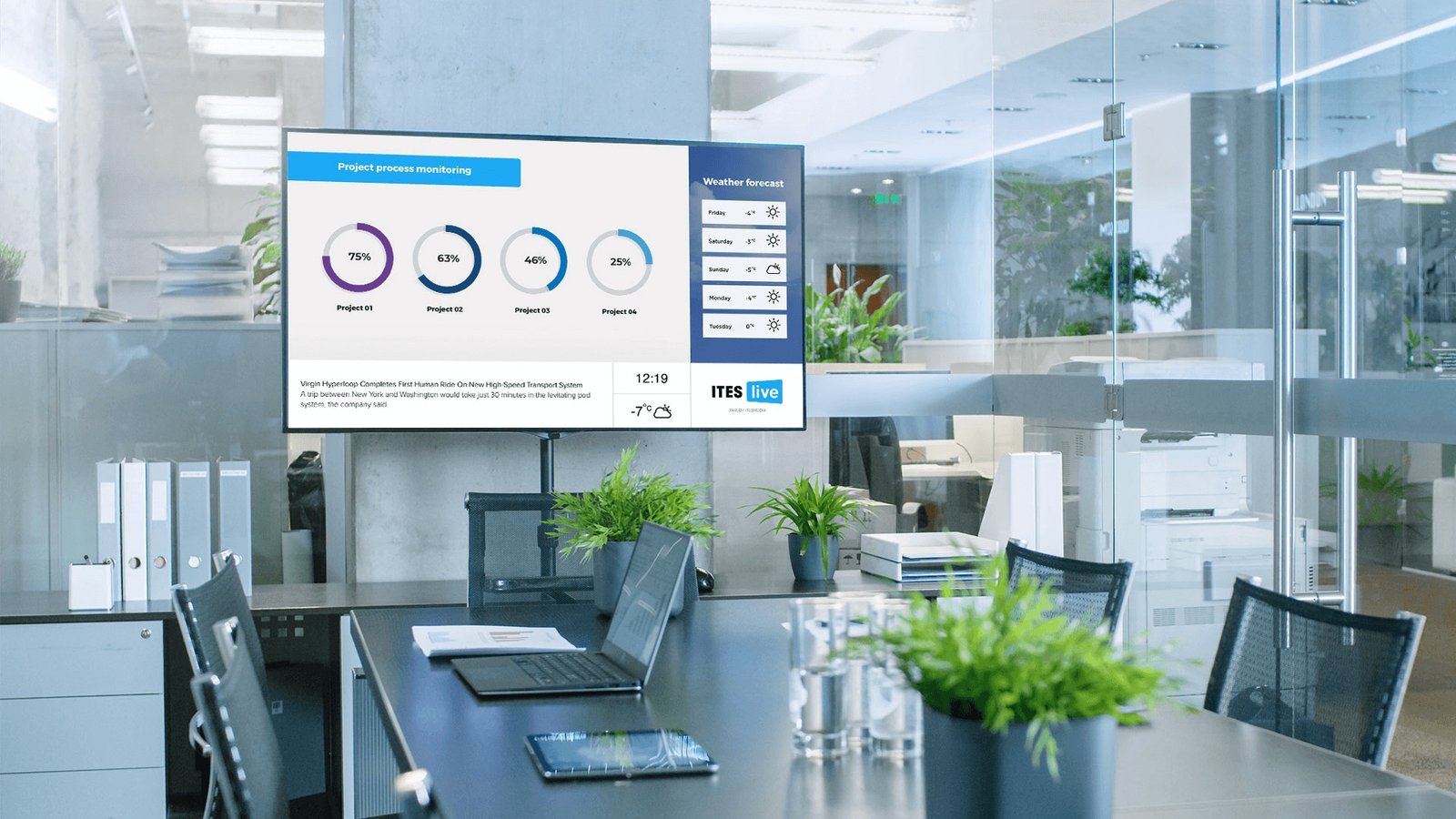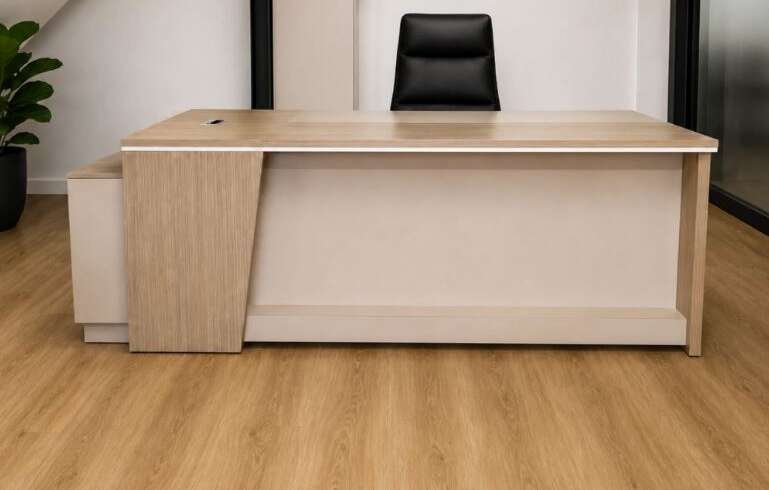

A productive workplace begins with an environment that supports employees, encourages collaboration, and makes everyday responsibilities easier to manage. The arrangement of desks, chairs, storage units, and meeting tables can influence how efficiently people complete their tasks. Businesses need furniture that combines comfort, durability, functionality, and attractive design. A carefully planned office also helps create a professional atmosphere for clients, visitors, and business partners. Choosing the right Office Furniture allows organizations to make better use of available space while providing employees with a comfortable setting for their daily activities. Whether a company operates from a small office or a large corporate building, suitable furniture can contribute to a more organized and efficient working environment.
Understanding the Changing Needs of Modern Workplaces
Workplaces continue to change as businesses introduce new technologies, working methods, and employee requirements. Traditional offices often focused on individual desks and separate departments. Modern workplaces may include shared workstations, collaborative areas, private meeting rooms, and flexible spaces for different activities. Furniture selection should reflect these changing requirements.
Companies should first understand how employees use their available space. Some departments require large desks for paperwork and computer equipment, while others need compact workstations that support digital tasks. Managers may require additional storage and larger working surfaces, whereas reception areas need furniture that welcomes visitors and provides a professional first impression.
Understanding these requirements before purchasing furniture helps businesses avoid unnecessary expenses. It also makes it easier to create an office layout that supports daily operations without overcrowding the available space.
Office Desks That Support Efficient Daily Work
Desks are essential workplace items because employees depend on them for computer work, documentation, communication, and planning. The right desk should provide sufficient working space while allowing employees to organize their equipment comfortably.
Rectangular desks remain a popular choice for individual workstations because they are simple to arrange and suitable for different office layouts. L-shaped desks provide additional working surfaces and can be useful for employees who manage multiple tasks. Executive desks offer a more spacious arrangement for management offices, while compact desks help smaller businesses make better use of limited floor areas.
Material selection is another important consideration. Wooden desks can create a warm and traditional appearance, while laminated surfaces offer a range of finishes and are often easier to maintain. Metal frames can provide additional structural support. Businesses should compare desk dimensions, storage features, construction quality, and available finishes before making a decision.
Comfortable Seating for Better Employee Experiences
Office seating deserves careful attention because employees often spend several hours working at their desks. An unsuitable chair can create discomfort and make it difficult to maintain a convenient sitting position. Selecting supportive chairs can help create a more comfortable workplace.
Ergonomic office chairs commonly include adjustable seat heights, lumbar support, armrests, and backrest adjustments. These features allow employees to adapt their seating arrangements to their individual requirements. Breathable upholstery and suitable cushioning can also improve comfort during extended working periods.
Different office areas may require different seating options. Executive chairs can provide additional support and a professional appearance in management offices. Task chairs are suitable for everyday workstation use, while visitor chairs help create comfortable reception and meeting areas.
Businesses should consider chair construction, adjustment options, upholstery, weight capacity, and maintenance requirements. Investing in suitable seating can improve the overall working experience and support a more employee-friendly environment.
Storage Furniture for a Clutter-Free Office
An organized workplace makes it easier for employees to locate documents, supplies, and essential equipment. Storage furniture provides dedicated spaces for keeping office materials while reducing unnecessary clutter around workstations.
Filing cabinets are useful for storing contracts, financial documents, reports, and other paperwork. Mobile pedestals provide convenient storage near individual desks and can be repositioned when office arrangements change. Larger cupboards can accommodate stationery, office supplies, and shared equipment.
Businesses should evaluate their storage requirements according to their daily operations. Organizations that manage physical records may need several filing cabinets, while companies that primarily use digital documentation may require smaller storage units. Shelving systems can also help organize books, folders, and decorative items without taking up excessive floor space.
Proper storage planning improves workplace appearance and helps employees maintain organized work areas. It can also support document management by providing designated locations for important materials.
Space-Saving Furniture Ideas for Small Offices
Small offices require careful furniture planning because every available area has a practical purpose. Oversized desks, unnecessary cabinets, and poorly positioned chairs can restrict movement and make the workplace uncomfortable. Space-saving furniture helps businesses maintain functionality without overcrowding their interiors.
Compact desks are useful for employees who need dedicated working areas but do not require large surfaces. Wall-mounted shelves can provide additional storage without occupying valuable floor space. Mobile cabinets offer flexibility because employees can move them when necessary.
Multifunctional furniture is another useful option. Workstations with integrated storage can reduce the need for separate cabinets. Folding tables may also be suitable for training rooms or temporary meeting areas. Businesses should measure their office dimensions before purchasing furniture and leave sufficient room for walkways, doors, and shared facilities.
A well-organized small office can look spacious and professional when furniture dimensions and placement are planned carefully.
Reception Furniture That Creates a Professional First Impression
The reception area is often the first part of an office that visitors experience. Its appearance can influence how customers and business partners perceive an organization. Suitable reception furniture helps create a welcoming atmosphere while supporting the daily responsibilities of reception staff.
A reception counter should provide enough space for computers, communication equipment, documents, and other essential items. Its height and design should also allow comfortable interaction between employees and visitors. Reception chairs should provide convenient seating for guests who may need to wait before appointments.
The surrounding design should remain consistent with the company’s overall office appearance. Coordinated colors, suitable lighting, and organized furniture placement can make the reception area more inviting. Businesses should also avoid overcrowding this space with unnecessary decorative items or furniture.
Designing Functional Meeting and Conference Rooms
Meeting rooms support important business activities, including presentations, employee discussions, client meetings, and strategic planning. The furniture selected for these spaces should provide comfort and encourage effective communication.
Conference tables should match the room dimensions and accommodate the expected number of participants. Rectangular tables are suitable for traditional conference rooms, while round tables can create a more collaborative atmosphere for smaller discussions.
Meeting chairs should provide appropriate back support and enough space for participants to sit comfortably. Businesses may also consider tables with cable management features for laptops, presentation equipment, and other electronic devices.
Flexible meeting furniture can be particularly useful for organizations that conduct different types of sessions. Movable chairs and modular tables allow rooms to be rearranged for training, workshops, and group discussions. This flexibility helps businesses make better use of shared office facilities.
Choosing Durable Materials and Quality Finishes
Furniture quality has a significant impact on its long-term performance. Businesses should evaluate construction materials and finishes before purchasing desks, chairs, cabinets, and tables. A product that looks attractive may not provide good value if it cannot withstand regular workplace use.
Laminated furniture is commonly selected for its variety of designs and relatively simple cleaning requirements. Solid wood can provide a distinctive appearance, while metal frames offer structural support for different furniture types. Upholstered seating should use materials that are comfortable and suitable for the expected level of use.
Finishes should also match the practical requirements of the workplace. Surfaces that are easy to clean can simplify maintenance, particularly in shared office areas. Strong fittings, stable frames, and reliable drawer mechanisms are additional features worth checking.
Comparing product specifications and construction quality can help businesses make informed purchasing decisions and avoid frequent replacements.
Office Furniture and Workplace Productivity
The physical environment can influence employee concentration, communication, and daily efficiency. Furniture that supports organized workstations allows employees to access essential equipment and documents without unnecessary interruptions.
A suitable desk arrangement provides enough room for computers, keyboards, paperwork, and accessories. Comfortable chairs support better seating habits, while organized storage reduces time spent searching for supplies. Meeting furniture also helps employees communicate more effectively during discussions and collaborative activities.
Lighting, ventilation, noise levels, and workstation spacing should be considered alongside furniture selection. These elements work together to create a comfortable working environment. Businesses should review employee requirements and make practical improvements whenever the existing arrangement creates difficulties.
Maintaining Office Furniture to Protect Your Investment
Regular maintenance helps businesses keep their furniture in good condition. Desks, chairs, cabinets, and meeting tables experience daily use, so simple care routines can prevent unnecessary damage.
Employees should clean surfaces using suitable products and avoid excessive moisture, particularly on wooden and laminated furniture. Upholstered chairs should be maintained according to their material requirements. Metal components should be inspected for rust, while screws, hinges, and adjustable mechanisms should be checked periodically.
Businesses should also repair minor problems before they become more serious. Loose fittings, unstable desk legs, damaged drawer handles, and worn chair components can affect both safety and usability. Establishing basic maintenance practices can extend furniture life and reduce replacement costs.
Making Better Furniture Decisions for Future Business Growth
Furniture purchasing should support both current operations and future business requirements. As companies expand, they may need additional workstations, storage facilities, meeting spaces, and employee seating. Choosing adaptable furniture can make these changes easier to manage.
Modular workstations allow businesses to adjust layouts when departments grow or teams change. Mobile storage units can be relocated according to changing requirements, while flexible meeting furniture can accommodate different group sizes.
Companies should also consider technology requirements when planning furniture purchases. Workstations may need cable management, charging access, monitor support, and enough room for additional equipment. Planning these features in advance can prevent expensive adjustments later.
Conclusion
A successful office environment depends on furniture that meets practical requirements while maintaining comfort, organization, and professional appearance. Suitable desks, ergonomic chairs, storage cabinets, reception counters, and conference tables can make everyday business activities more convenient. Businesses should evaluate available space, employee needs, material quality, and long-term durability before purchasing furniture. Regular maintenance and flexible layouts can further improve the value of workplace investments. By focusing on functionality and thoughtful design, Queens arts and trends can help inspire businesses to explore suitable furniture ideas for creating organized, welcoming, and productive professional environments.