


Why Smoke Odor Is So Difficult to Remove
Smoke particles can travel throughout the cabin.
They may settle on:
- Upholstery
- Carpeting
- Floor mats
- Headliners
- Door panels
- Dashboard surfaces
- Seat belts
- Air vents
- Plastic trim
- Trunk carpeting
Porous materials are particularly challenging because residue can become absorbed rather than simply sitting on the surface.
This is why a vehicle that has been smoked in for years can still smell after a basic vacuum and wipe-down.
The Difference Between Covering an Odor and Removing It
One of the most common mistakes is using a strong air freshener immediately after noticing an unpleasant smell.
This may make the vehicle smell better temporarily, but it does not necessarily remove the source.
Professional odor treatment begins by identifying where the odor is coming from.
For example, if smoke residue has accumulated in fabric and carpet, those surfaces need appropriate cleaning. If the ventilation system is contributing to the smell, simply shampooing the seats may not be enough.
The treatment should match the source.
Start With a Thorough Interior Inspection
Before cleaning, inspect the entire cabin.
Look for visible residue, discoloration, stains, ash, embedded debris, and areas where smoke exposure appears particularly heavy.
Don’t forget less obvious areas.
Seat belts, headliners, door pockets, carpet edges, and areas underneath seats can retain odor even when the main cabin looks clean.
A professional detailer may also evaluate whether the odor appears to originate from an isolated contamination source or from widespread exposure throughout the vehicle.
Remove Loose Contamination First
The interior should be cleared of trash, personal belongings, and removable items before deep cleaning begins.
Vacuum carpets, seats, floor mats, and accessible crevices thoroughly.
This first stage removes loose particles and allows subsequent cleaning products to work more effectively.
Pay particular attention to areas around the center console and underneath seats. Smoke residue and debris often accumulate in places that receive little attention during routine cleaning.
Clean Hard Interior Surfaces
Smoke residue can leave a film on hard surfaces.
Dashboards, door panels, plastic trim, consoles, and other non-porous materials should be cleaned using products appropriate for their specific finishes.
The process may require more than one pass.
A surface can look clean after the first wipe but still feel slightly tacky or show residue when viewed under strong lighting.
Use clean microfiber towels and change them regularly as they become contaminated.
Insider Tip: Change Towels Before They Look Dirty
A microfiber towel does not need to appear heavily soiled before it should be replaced.
When treating smoke residue, a towel can become contaminated surprisingly quickly. Continuing to use it can simply redistribute residue across another section of the interior.
Working with several clean towels is often more effective than trying to make one towel last through the entire cabin.
Deep Clean Upholstery and Carpeting
Fabric surfaces can hold smoke residue much more stubbornly than hard plastic.
Depending on the material and condition, professional detailing may involve controlled extraction or other appropriate upholstery-cleaning techniques.
The objective is to remove contamination without over-wetting the material.
Excessive moisture can create its own problems, particularly if carpet padding or seat foam remains damp for too long.
A careful detailer adjusts the amount of cleaning solution and moisture according to the material and level of contamination.
Give the Headliner Special Attention
The headliner is often overlooked, yet it is directly exposed to smoke circulating through the cabin.
It can absorb odor and develop visible discoloration.
However, headliners should not be aggressively saturated or scrubbed.
The adhesive underneath the fabric can be sensitive to excessive moisture and friction.
Use controlled cleaning methods and minimal moisture appropriate for the material.
This is a good example of why professional detailing is not simply about using more cleaning product. Sometimes the safer approach is the gentler one.
Don’t Forget the Seat Belts
Seat belts are another overlooked odor carrier.
They can absorb smoke residue because they are made from woven material.
Extend the belt carefully and clean it according to the material and manufacturer’s recommendations.
Allow it to dry fully before regular use.
Never compromise the belt’s operation or apply products that could leave the webbing excessively slippery or contaminated.
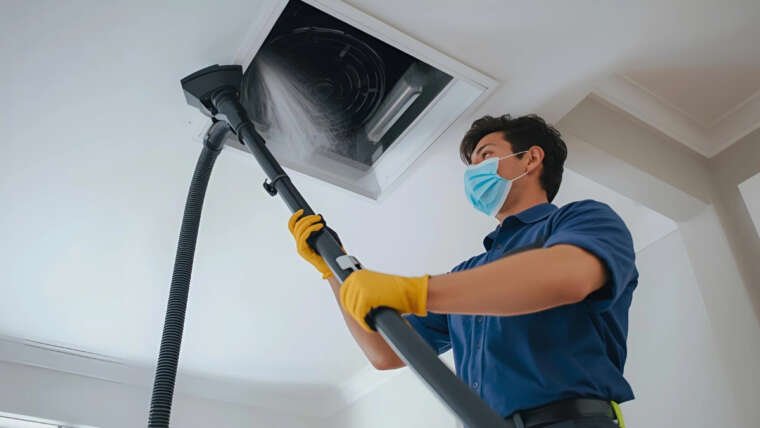
Clean the Air Vents and Cabin Air Path
If smoke odor remains after the visible interior has been cleaned, the ventilation system deserves attention.
Smoke-contaminated air can pass through vents and leave residue in areas that are difficult to reach directly.
The cabin air filter should also be considered if it is dirty or has been exposed to smoke.
Replacing a heavily contaminated filter may be appropriate, depending on the vehicle and manufacturer’s recommendations.
This is an important distinction: interior surface cleaning and ventilation-system treatment are related, but they are not identical tasks.
Treat Persistent Odors Carefully
After physical cleaning, some odors may remain.
This can happen when smoke has penetrated porous materials or reached areas that cannot be thoroughly cleaned without disassembly.
Professional odor-control methods may then be considered.
The specific treatment should depend on the vehicle and contamination. Products or equipment intended for odor neutralization should be used according to their instructions, with appropriate precautions.
Simply introducing another strong fragrance is generally not the same as neutralizing the original odor.
For vehicle owners researching comprehensive interior-care techniques, this auto detailing stafford va resource provides a useful reference for understanding professional approaches to deep vehicle cleaning and surface maintenance.
Why Drying Matters
After deep interior cleaning, proper drying is essential.
Moisture trapped inside upholstery or carpet can contribute to musty odors and create a new problem while you’re trying to solve the old one.
Where practical, provide adequate ventilation and allow cleaned materials to dry completely.
Don’t reinstall wet floor mats or close up a damp vehicle immediately after extraction.
A clean interior should also be a properly dried interior.
Smoke Odor Can Require More Than One Treatment
Heavy smoke contamination may not disappear after a single cleaning session.
This is particularly true when a vehicle has been exposed to cigarette or other smoke for an extended period.
The interior may require:
- Initial inspection
- Thorough vacuuming
- Hard-surface cleaning
- Upholstery and carpet treatment
- Headliner cleaning
- Vent and filter inspection
- Odor treatment
- Final inspection
The process should be evaluated after each stage.
If an odor remains, identify where it is coming from rather than automatically repeating every treatment.
A Real-World Example of Why Patience Matters
Consider a used vehicle that appears reasonably clean but has a strong stale smoke smell.
A quick interior wipe-down might make the cabin look presentable, but the odor returns when the vehicle sits in the sun. Heat can cause trapped residues and absorbed odors to become more noticeable.
This is why professional detailing focuses on the contamination itself.
The visual result and the odor result should be evaluated separately.
Preventing Smoke Odor From Returning
Once the interior has been thoroughly cleaned, prevention becomes important.
The most effective approach is avoiding smoking inside the vehicle.
Keep the cabin ventilated when appropriate, remove food and other odor sources promptly, and clean spills before they become embedded.
Regular vacuuming and interior maintenance also help prevent residue from accumulating.
If smoke exposure continues, even the most thorough detailing will only provide temporary improvement.
When Professional Detailing Makes Sense
Minor odors can sometimes be addressed with routine cleaning.
Severe smoke contamination is different.
If the odor has penetrated upholstery, carpeting, headliners, and ventilation areas, professional detailing can provide a more systematic approach.
This can be particularly useful when preparing a vehicle for resale or when purchasing a previously smoked-in vehicle and wanting to improve its interior condition.
The goal should always be realistic: extensive contamination may be greatly reduced rather than guaranteed to disappear completely.
Final Thoughts
Smoke and odor removal is most effective when treated as a cleaning problem rather than a fragrance problem.
Start by locating the contamination, then clean hard surfaces, fabrics, carpeting, headliners, seat belts, and other affected areas using methods appropriate for each material. Consider the ventilation system when necessary, and make sure the interior dries properly after deep cleaning.
The biggest lesson is that odor often hides where the eye cannot see it. A clean-looking dashboard does not mean the entire cabin is clean.