
Sports participation offers many physical and mental benefits, but athletic activities can also place considerable demands on muscles, joints, tendons, and ligaments. Whether someone participates in competitive athletics, recreational exercise, or weekend sports, sudden movements, repetitive training, and physical contact can sometimes result in injuries. Common problems include muscle strains, ligament sprains, tendon irritation, joint injuries, and overuse conditions. These issues can interfere with performance, limit mobility, and make ordinary activities uncomfortable. Recovering effectively requires more than simply waiting for pain to disappear. Athletes often need a structured approach that addresses the underlying movement limitations, rebuilds physical capacity, and prepares the body for the demands of their sport.
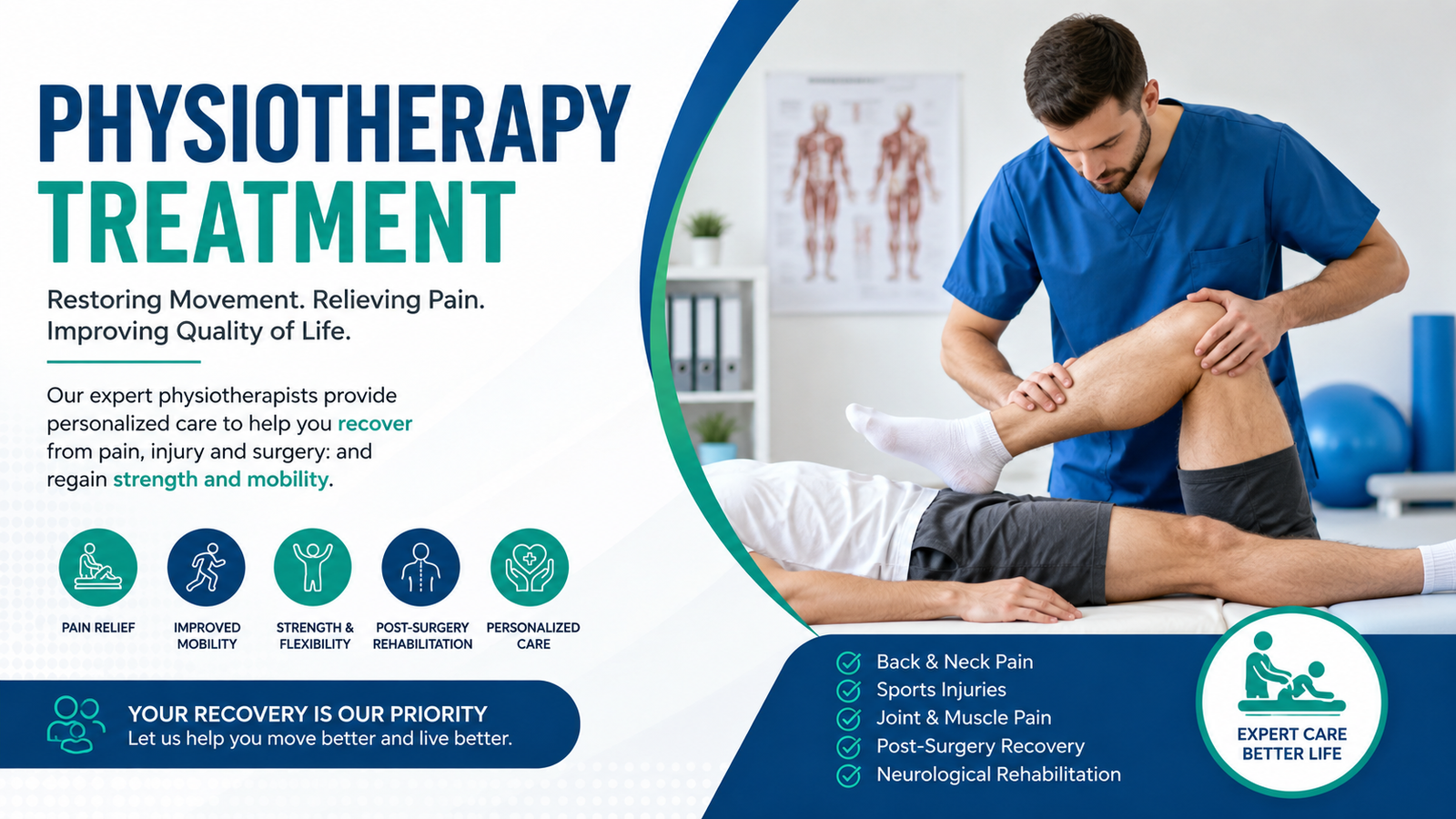
Sports Injury Physical Therapy plays an important role in helping athletes manage injuries and work toward a safe return to physical activity. A qualified physical therapist evaluates the affected area, identifies functional limitations, and develops a rehabilitation plan based on the athlete’s condition, fitness level, and performance goals. Treatment may involve therapeutic exercises, mobility training, strengthening, balance activities, movement correction, and sport-specific conditioning. The rehabilitation process also considers the physical demands of the athlete’s chosen activity, since returning to running, basketball, soccer, swimming, or weightlifting requires different abilities. Understanding the stages of recovery and the value of individualized treatment can help athletes make informed decisions and avoid rushing back into demanding activities before they are adequately prepared.
Understanding Common Sports Injuries and Their Impact on Athletic Performance
Sports injuries can develop through a sudden incident or gradually from repeated physical stress. Acute injuries may occur when an athlete changes direction quickly, lands awkwardly, collides with another player, or applies excessive force to a muscle or joint. These situations can lead to ankle sprains, knee injuries, hamstring strains, shoulder problems, and other musculoskeletal conditions. Overuse injuries develop differently because repeated movements may place more stress on tissues than they can comfortably tolerate between training sessions. Conditions such as tendon irritation, runner’s knee, and certain shoulder problems may develop when training intensity, technique, recovery time, or physical conditioning is not appropriately managed. The effects of these injuries can extend beyond the immediate painful area. An ankle injury, for example, may affect balance and walking mechanics, while a knee condition may limit running, jumping, or squatting. Athletes may also compensate by changing their movement patterns, potentially placing additional demands on other body regions. Sports Injury Physical Therapy begins by identifying how the injury affects the athlete’s overall movement and performance rather than focusing exclusively on discomfort. A thorough assessment helps determine which physical abilities need attention and whether additional medical evaluation is necessary. Understanding the injury and its functional consequences provides a foundation for selecting appropriate rehabilitation methods and establishing realistic recovery expectations.
The Importance of a Personalized Sports Rehabilitation Assessment
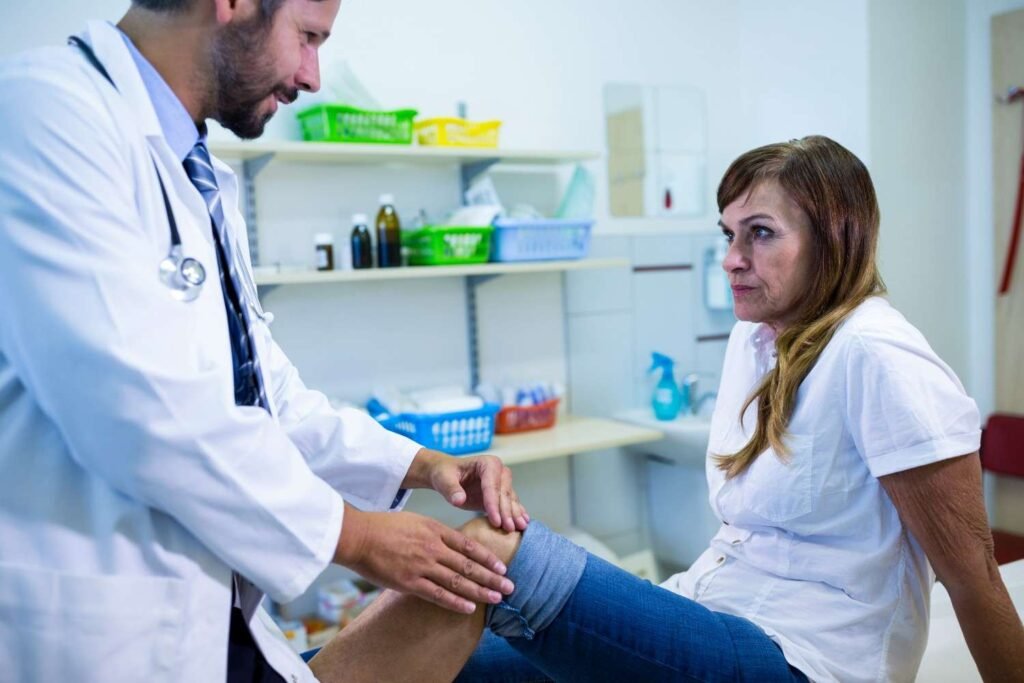
Every athlete has different physical characteristics, training demands, injury histories, and performance objectives. Consequently, rehabilitation should be based on an individual assessment rather than a standard exercise routine. During an initial evaluation, a physical therapist may review the injury history, symptom patterns, previous treatments, training schedule, and activities that aggravate or relieve discomfort. The clinician may also examine joint mobility, muscle strength, flexibility, balance, coordination, posture, and movement control. Depending on the injury, functional assessments may include walking, running, squatting, jumping, or other movements relevant to the athlete’s sport. This process helps identify limitations that could interfere with recovery or increase the difficulty of returning to previous activity levels. For instance, a soccer player recovering from a knee injury may need to rebuild single-leg stability, acceleration, deceleration, and directional control. A tennis player with shoulder discomfort may require a different combination of shoulder mobility, strength, and controlled overhead movement exercises. A personalized assessment allows the therapist to prioritize the most relevant goals and select exercises that match the athlete’s current abilities. It also establishes baseline measurements that can be used to monitor progress. Clear communication about symptoms, expectations, and training responsibilities helps athletes understand their role in recovery and participate more confidently throughout rehabilitation.
Rebuilding Strength and Stability After a Sports Injury
Muscle weakness and reduced joint stability are common challenges following sports injuries, particularly when pain or medical restrictions have limited normal movement. Rebuilding strength is important because athletes need sufficient muscular capacity to control their bodies during running, jumping, lifting, landing, and rapid changes in direction. However, strengthening exercises must be introduced at an appropriate stage and adjusted according to the injured tissues and the athlete’s tolerance. Early rehabilitation may involve gentle muscle activation and controlled movements, while later stages can include resistance exercises, functional strengthening, and more demanding athletic activities. For example, an athlete recovering from an ankle sprain may initially work on ankle mobility and controlled weight-bearing before progressing to calf strengthening, balance exercises, and single-leg movements. Someone recovering from a knee injury may need to improve quadriceps, hamstring, and hip strength to support better lower-body control. A physical therapist can monitor exercise technique and identify compensatory patterns that may reduce movement quality. Sports Injury Physical Therapy also considers the relationship between strength and stability. Strong muscles are valuable, but athletes must also develop the ability to coordinate those muscles during unpredictable physical tasks. Gradual progression allows the athlete to build capacity without introducing excessive demands too early. The specific exercises and progression schedule should reflect the injury, medical guidance, and measurable improvements in function.
Improving Mobility Flexibility and Functional Movement
Restricted mobility can make it difficult for athletes to perform movements required by their sport. Joint stiffness, muscle tightness, swelling, and protective movement patterns may affect activities such as sprinting, reaching, rotating, squatting, and changing direction. Rehabilitation often includes mobility exercises designed to restore comfortable movement and improve the athlete’s ability to use the affected area during everyday and sport-related activities. Stretching may be appropriate for certain muscular limitations, while controlled joint movements can help address restricted range of motion. However, flexibility should not be treated as the only measure of recovery. Athletes also need sufficient strength and control throughout the available range of motion. A basketball player, for example, needs appropriate ankle and hip mobility for jumping and landing, while a swimmer may require shoulder movement that supports repeated strokes without excessive strain. A therapist may use movement assessments to determine whether stiffness, weakness, or poor coordination is contributing to functional limitations. Manual therapy may also be considered when clinically appropriate, usually alongside active exercises rather than as a standalone solution. Improving movement quality can help athletes perform sport-specific tasks more comfortably and efficiently. Rehabilitation should progress from controlled, predictable movements toward more complex activities as the athlete demonstrates adequate control and tolerance. This approach helps ensure that improved mobility translates into useful physical performance rather than remaining limited to isolated exercises.
Developing Balance, Coordination and Sport-Specific Movement Skills
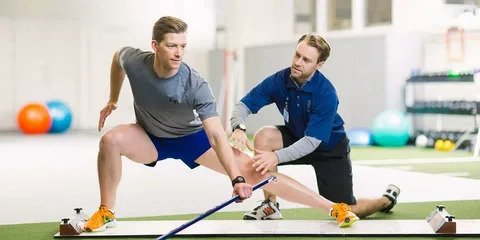
Returning to sports requires more than recovering basic strength and flexibility. Athletes must also regain balance, coordination, reaction ability, and control during movements that resemble actual competition. Many sports involve rapid acceleration, sudden stops, jumping, landing, pivoting, and changing direction while responding to teammates or opponents. These demands can expose movement limitations that may not be noticeable during simple strengthening exercises. Rehabilitation may therefore include progressive balance activities, single-leg control exercises, movement drills, and carefully selected agility training. For example, an athlete recovering from an ankle injury may begin with stable standing exercises before progressing to controlled single-leg balance and dynamic movement tasks. A player returning after a knee injury may eventually practice landing mechanics, directional changes, and controlled deceleration when appropriate for the recovery stage. The therapist can observe how the athlete distributes weight, maintains alignment, and responds to increasing movement demands. Sports Injury Physical Therapy helps connect improvements made during basic rehabilitation with the physical requirements of athletic participation. Sport-specific exercises should be introduced gradually and only when the athlete demonstrates sufficient readiness. Training may begin with low-intensity drills and progress toward more complex movements as strength, control, and confidence improve. This gradual transition helps athletes prepare for the unpredictable nature of sports while reducing the temptation to resume full competition before their physical abilities are adequately restored.
Managing Recovery Timelines and Preventing Reinjury
Recovery timelines differ according to the type and severity of an injury, the tissues involved, the athlete’s overall health, and the demands of the sport. A mild muscular strain may require a different rehabilitation schedule from a significant ligament injury or a condition requiring surgery. Athletes should avoid using pain reduction alone as proof that they are ready to return to competition. Discomfort may improve before strength, balance, coordination, and movement tolerance have fully recovered. Returning too early can place unnecessary stress on healing tissues and may increase the possibility of another injury. A physical therapist can help monitor recovery through functional assessments and progressive activity testing. Depending on the injury, these evaluations may include strength comparisons, range-of-motion measurements, balance assessments, hopping tasks, running drills, or sport-specific movement tests. Training intensity should increase gradually, with attention to how the body responds during activity and afterward. Athletes should also understand the importance of adequate rest, appropriate training volume, warm-ups, and recovery habits. A well-planned rehabilitation program can identify modifiable risk factors, such as muscular weakness, movement-control limitations, or poor exercise progression. However, no treatment can guarantee that an injury will never happen again. Consistent conditioning and appropriate load management remain important after formal rehabilitation ends. Working with a qualified provider through Sports Injury Physical Therapy can help athletes develop a more informed return-to-sport strategy based on functional readiness rather than pressure to meet an arbitrary deadline.
Returning to Sports With Confidence and Long-Term Performance Goals
The final stages of rehabilitation focus on preparing athletes to resume their chosen activities with appropriate physical capacity and confidence. This stage may involve progressively increasing running distance, practicing sport-specific drills, improving endurance, and reintroducing movements that were previously difficult or uncomfortable. The process should reflect the demands of the athlete’s sport and the level of competition they intend to resume. For example, returning to recreational jogging may require different preparation from competing in a high-intensity soccer match. Athletes involved in contact sports may need additional preparation for physical challenges and unpredictable movement situations. A physical therapist can help determine whether the athlete has regained sufficient strength, mobility, balance, and functional control for the next stage of activity. Communication with coaches and other healthcare professionals may also be useful when appropriate, particularly for athletes following significant injuries or surgery. Confidence is another important part of the process. Some athletes feel physically capable but remain hesitant when performing movements associated with their previous injury. Gradual exposure to sport-specific tasks can help them rebuild trust in their movement abilities. Once athletes return to regular participation, maintaining strength, mobility, conditioning, and recovery habits can support long-term physical function. Rehabilitation should therefore be viewed not only as a way to recover from an injury but also as an opportunity to improve movement awareness and develop more sustainable training practices.
Conclusion
Sports injuries can interrupt athletic progress, affect everyday movement, and create uncertainty about returning to training or competition. A structured rehabilitation program helps address these challenges by focusing on the physical abilities required for safe and effective participation. Through individualized assessment, progressive strengthening, mobility training, balance exercises, and sport-specific conditioning, athletes can work toward restoring function and rebuilding confidence. Sports Injury Physical Therapy provides a personalized approach that considers the injury, the athlete’s goals, and the demands of their chosen activity. Working with a qualified physical therapist can help establish realistic recovery milestones, monitor functional progress, and guide the transition back to sports. With consistent participation, appropriate recovery time, and a carefully managed return-to-play process, athletes can work toward improved physical performance and more confident long-term participation.