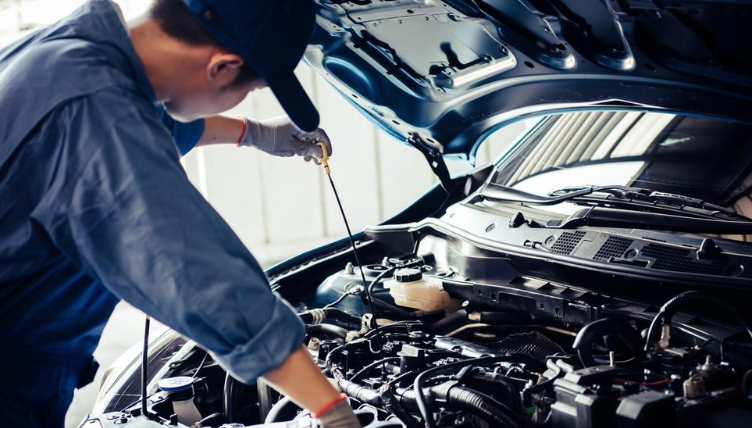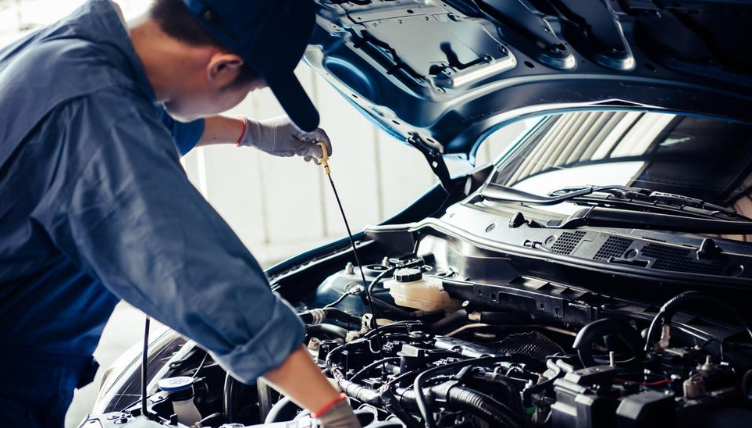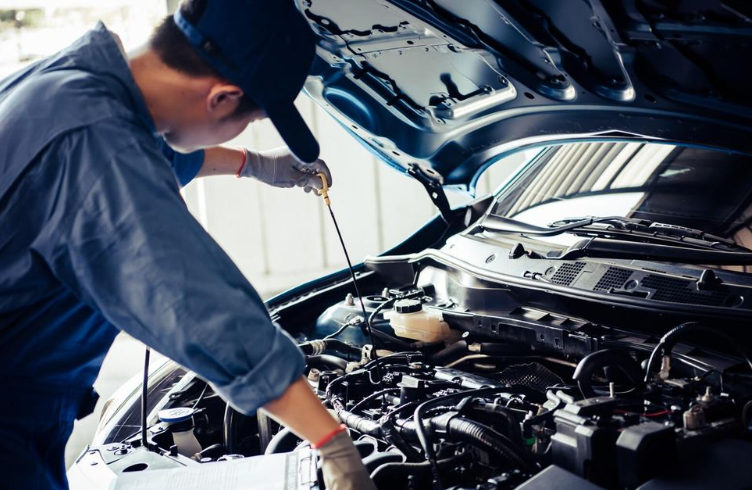

A vehicle spends far more time on the road between scheduled service appointments than it does inside a repair facility. During those months, everyday driving conditions, changing temperatures, and normal component wear can gradually affect performance. Paying attention to a few important details helps drivers notice changes early and make better decisions about when professional attention is necessary.
For motorists exploring an auto repair shop in Lubbock County, Texas, understanding basic vehicle monitoring can make maintenance easier to manage. Simple observations about fluid levels, tire condition, engine behavior, and braking performance can provide useful information before a scheduled appointment or when an unexpected concern develops.
Regular attention does not mean constantly checking every component or attempting complicated repairs at home. The goal is to develop a practical routine, recognize signs that deserve investigation, and understand which tasks require professional equipment. With a consistent approach, drivers can take a more active role in preserving their vehicles without making unnecessary repairs.
Create a Simple Walk-Around Inspection Habit
A brief walk around the vehicle can reveal problems that may otherwise go unnoticed. Look for visibly low tires, fresh fluid spots beneath the car, damaged lights, cracked glass, or objects lodged in the tread. Check that mirrors are secure and license plates remain readable.
This inspection is particularly useful before longer journeys, when a small issue could become inconvenient far from home. A new puddle does not automatically indicate a serious leak, since water from an air-conditioning system can be normal under certain conditions. However, colored fluid, an oily residue, or a recurring wet area deserves closer attention. Avoid touching unknown fluids or crawling beneath an unsupported vehicle. If something appears unusual, document its location and appearance so a technician can investigate it more efficiently.
Monitor Changes in Fuel Consumption
A noticeable change in fuel economy can sometimes provide an early clue that a vehicle is not operating as expected. Possible contributors include low tire pressure, increased traffic congestion, frequent short trips, extra cargo, or a developing mechanical fault.
To make comparisons meaningful, track fuel purchases and mileage over several fill-ups rather than drawing conclusions from a single journey. Changes in driving routes, weather, and passenger loads can influence the results. If consumption remains unusually high under similar conditions, consider whether the vehicle also shows other symptoms, such as rough idling, poor acceleration, or a warning light. A technician can then evaluate possible causes, including tire condition, engine-management faults, and fuel-system performance, instead of assuming one component is responsible.
Keep Windshield Visibility in Good Condition
Clear visibility is essential for safe driving, especially during rain, dusty weather, or nighttime travel. Windshield damage, worn wiper blades, and an empty washer reservoir can make it harder to see hazards in time.
Inspect the windshield for chips that may spread and check whether the wipers clear water evenly without leaving broad streaks. Rubber blades can deteriorate through exposure to sunlight, heat, and accumulated debris. Clean the windshield and wiper edges using suitable products, and refill the washer reservoir with fluid intended for automotive use. If a chip sits in the driver’s main field of vision or begins spreading, arrange an assessment rather than waiting for it to become larger. A clear windshield and functioning lights also help other road users recognize your vehicle.
Pay Attention to Changes in Brake Pedal Feel
Drivers often become familiar with how their brakes normally respond. A sudden difference in pedal travel, unusual softness, grinding sounds, or a vehicle that takes longer to stop can indicate a problem that needs prompt assessment.
Brake performance can be affected by worn friction materials, hydraulic faults, overheated components, or other mechanical issues. A pulsing pedal may have several possible explanations and should not automatically be attributed to one specific part. If the pedal sinks unusually low, braking becomes weak, or a brake warning appears, stop somewhere safe and arrange professional help rather than continuing to drive. Routine visual checks cannot replace a proper brake inspection, but noticing a change early can help prevent a small concern from developing into a serious safety risk.
Understand Which Dashboard Messages Need Immediate Action
Dashboard alerts are designed to help drivers identify conditions that may affect vehicle operation. Some messages provide reminders, while others indicate a potentially urgent mechanical or safety issue.
Consult the owner’s manual whenever an unfamiliar light appears. Oil-pressure warnings, serious overheating alerts, and brake-system warnings generally require immediate attention. Continuing to drive under certain conditions can damage the engine or compromise control. A maintenance reminder usually has a different meaning from a critical warning, so understanding the distinction matters. If the message is accompanied by smoke, unusual noise, loss of power, or abnormal handling, prioritize getting to a safe location. Record the exact warning and any symptoms before contacting a repair professional.
Protect the Battery From Avoidable Drain
A vehicle battery supplies the energy needed to start the engine and supports electrical systems when the engine is off. Leaving lights or accessories running can drain the battery, particularly when it is older or already weakened.
Make sure interior lights switch off correctly and avoid using high-demand accessories for extended periods with the engine off unless the vehicle’s manual permits it. If the car is driven infrequently, consult the manufacturer’s guidance on maintaining the battery during extended storage. Repeatedly needing a jump-start is not a normal maintenance routine; it may indicate a weak battery, a charging problem, or an electrical drain. Battery testing can help distinguish these possibilities. Never attempt to jump-start a vehicle without following the correct procedure for its battery and electrical system.
Check Tires for More Than Low Pressure
Tire maintenance involves more than keeping pressure within the recommended range. Tread condition, sidewall damage, uneven wear, and the age and suitability of the tires also affect performance.
Use the vehicle manufacturer’s recommended pressure, usually listed on a label inside the driver’s door area or in the owner’s manual. Inspect the tread for embedded debris and look for cuts, exposed cords, cracks, or bulges. A bulge or serious sidewall defect can indicate internal damage and warrants prompt professional assessment. If one tire repeatedly loses pressure, the cause could be a puncture, a leaking valve, or a problem where the tire meets the wheel. Finding the source is preferable to repeatedly inflating the tire and hoping the issue disappears.
Prepare for Dusty and Hot Driving Conditions
Drivers in and around Lubbock County may encounter dry weather, dust, strong winds, and periods of high temperatures. These conditions can influence air-filter performance, battery reliability, cooling-system demands, and the condition of rubber components.
Check the air filter according to the manufacturer’s schedule and inspect the cooling system for visible leaks or warning signs. Make sure the air-conditioning system is working as expected before the hottest part of the season, particularly if the vehicle is used for regular commuting. Avoid opening a hot radiator or coolant reservoir, since pressurized fluid can cause severe burns. Weather-related maintenance should be based on actual condition and manufacturer guidance, not on automatic replacement of every component at the start of summer.
Keep Useful Information Ready for a Repair Appointment
When a problem appears, accurate details can help shorten the process of identifying its cause. Record when the symptom occurs, whether the engine is cold or warm, what speed the vehicle is traveling, and whether any warning lights appear.
For example, a vibration that occurs only during braking may require a different investigation from one that appears during acceleration. Avoid describing a suspected cause as a confirmed diagnosis unless testing has established it. When comparing an auto repair shop in Lubbock County, Texas, ask how the proposed inspection will identify the problem and whether diagnostic charges are separate from repair costs. Wizard Auto Tire is a business drivers can research when comparing service options, but its current services, prices, and availability should be confirmed directly.
Conclusion
The time between professional service appointments offers many opportunities to keep a vehicle in better condition. Regular walk-around checks, attention to fuel consumption, clear visibility, tire monitoring, and awareness of dashboard warnings can help drivers identify changes before they become more disruptive.
The key is to observe rather than guess. Follow the owner’s manual, keep useful maintenance records, and seek professional assessment when safety or mechanical reliability may be affected. Consistent attention between service visits helps drivers make informed choices, manage repair priorities, and approach everyday travel with greater confidence.