Regular exercise helps build strength, improve fitness, and keep the body active. However, hard workouts can also leave muscles feeling tight, tired, and sore. Whether you enjoy weightlifting, running, cycling, or playing sports, giving your muscles enough time to recover is an important part of staying active.
A Deep Tissue Sports Massage can be a useful part of a recovery routine. It focuses on deeper layers of muscle and connective tissue to help manage muscle tension, stiffness, and movement restrictions. However, the timing of your massage matters. Getting one immediately before a demanding workout may leave your muscles feeling tender when you need them to perform.
So, should you book a massage before your workout, after exercise, or on a rest day? The answer depends on your training schedule, the intensity of your exercise, and how your body responds to massage.
What Is a Deep Tissue Sports Massage?
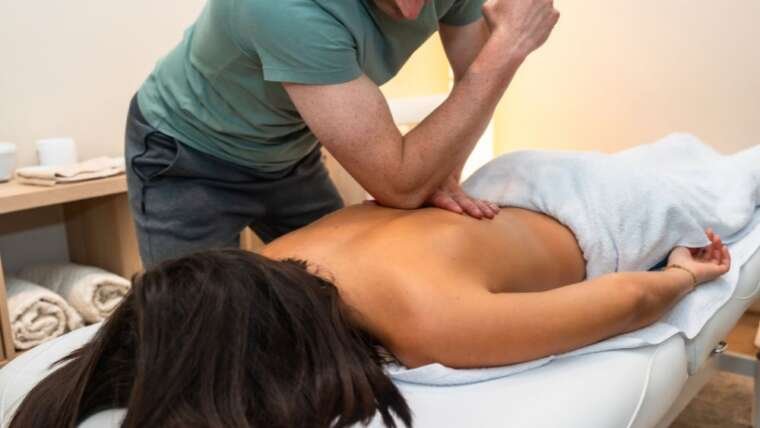
A deep tissue sports massage combines focused massage techniques with an understanding of the physical demands placed on active muscles. The therapist applies controlled pressure to specific areas where tension, stiffness, or discomfort may be present.
Unlike a general relaxation massage, this treatment can focus on muscle groups that work harder during particular activities. For example, runners may need attention to their calves and thighs, while weightlifters may experience tightness around their shoulders, back, and hips.
How Does It Support Muscle Recovery?
Exercise places stress on muscles, especially during intense training or unfamiliar movements. A suitable massage may help reduce the feeling of muscle soreness, improve comfort, and make movement feel easier.
It may also help people manage ongoing muscle tension caused by repeated exercise. However, massage does not automatically prevent injuries or guarantee better athletic performance. Results vary from person to person, and it should support rather than replace proper training, rest, hydration, and nutrition.
When Is the Best Time to Get a Deep Tissue Sports Massage?
For many people, the most practical time to schedule a deeper massage is after a demanding workout or on a separate recovery day. This gives you more flexibility to manage any temporary tenderness that may follow treatment.
There is no single schedule that works for everyone. The right time depends on how intense your training is, which muscles need attention, and whether you have another challenging session coming up.
1. After a Workout for Muscle Recovery
Getting a massage after exercise can be a suitable choice if your main goal is to manage muscle tightness and post-workout discomfort.
After strength training, long runs, or demanding sports sessions, some muscles may feel stiff or tender. A therapist can adjust the pressure and treatment areas according to your comfort level and recovery needs.
You do not always need to book an appointment immediately after finishing your workout. Taking time to cool down, drink water, and eat a suitable meal can help you settle into your recovery routine first.
For most people, a moderate session after a normal workout may be easier to manage than deep pressure immediately before their next training session. If you have completed an especially demanding event, such as a marathon or intense competition, discuss the appropriate timing and pressure with a qualified professional.
2. On a Rest Day Between Workouts
A rest day can be an excellent time to schedule a Deep Tissue Sports Massage, particularly if you train several times each week.
Rest days provide an opportunity to focus on muscle comfort without worrying about performing at your best during an immediate workout. This can be helpful when you experience repeated tightness in the same areas after regular training.
For example, someone who lifts weights on Monday, Wednesday, and Friday might arrange a massage on Tuesday or another suitable recovery day. The exact schedule should depend on training intensity and how the body responds to treatment.
A rest day does not always mean complete inactivity. Light walking or gentle movement may still be part of your routine, provided it feels comfortable.
3. Before a Workout or Sports Event
Massage before exercise can sometimes help you feel more comfortable and less restricted. However, the type of massage matters.
A brief, gentle sports massage may be appropriate before some activities, particularly when the aim is preparation rather than intensive muscle work. A deep session is different because firm pressure may cause temporary tenderness or affect how the treated muscles feel during exercise.
If you have heavy weightlifting, sprinting, jumping, or a competitive event planned, avoid experimenting with an intense massage immediately beforehand.
Instead, schedule deeper treatment earlier in your training week when possible. If you need a pre-workout treatment, tell your therapist about the activity you will perform so the session can be adjusted accordingly.
A massage should never replace your normal warm-up, which prepares your muscles and movement patterns for the demands of exercise.
How Long Should You Wait Between Massage and Exercise?
The ideal gap depends on the pressure used, the muscles treated, and the intensity of your next workout. A gentle session may have little effect on your activity, while deeper work can leave some people feeling sore for a day or two.
Before a Heavy Workout
If you are planning an intense workout, consider leaving around 24 to 48 hours between a deep massage and that session. Some people may need more time, particularly after an unfamiliar or intensive treatment.
This is a practical starting point, not a strict medical rule. Pay attention to how you feel rather than relying only on the clock.
Before a Competition
If you have a race, match, or important fitness event coming up, avoid scheduling an unfamiliar, intensive massage too close to the event. Several days of recovery time may be more appropriate, depending on your training demands and treatment response.
A lighter session may be an option closer to competition, but it should be familiar and comfortable.
After a Workout
You may arrange a massage on the same day as a regular workout if you feel well and the treatment is comfortable. However, after a very intense session, you may prefer to wait until your body has settled before receiving deeper pressure.
If you have significant pain, swelling, bruising, or a suspected muscle injury, seek appropriate medical advice instead of treating it as ordinary post-workout soreness.
What Are the Benefits of Getting a Massage at the Right Time?
Choosing a suitable time can make it easier to fit massage into your fitness routine without interfering with your training.
Helps Manage Muscle Tightness
Repeated movements can leave certain muscles feeling tight. A targeted massage may help reduce that feeling and improve comfort during everyday activities.
For instance, cyclists may notice tightness around their hips and thighs, while people who spend long hours at a desk and exercise in the evening may experience tension around their neck and shoulders.
Supports Comfortable Movement
When muscles feel stiff, bending, reaching, or moving through a full range of motion can become uncomfortable. Massage may help some people move more comfortably, especially when combined with appropriate mobility exercises and strength training.
However, improved flexibility is not guaranteed, and persistent movement restrictions should be assessed by a qualified healthcare professional.
May Reduce Post-Exercise Soreness
Delayed-onset muscle soreness, often called DOMS, commonly develops after unfamiliar or intense exercise. It may begin several hours after training and become more noticeable over the following one to three days.
Research suggests massage may help reduce the perceived severity of post-exercise soreness for some people. It does not mean that every sore muscle needs deep pressure. Gentle movement, sleep, sufficient food, and appropriate recovery time remain important.
Encourages a Consistent Recovery Routine
A planned massage schedule can help you pay closer attention to your body’s needs. Instead of waiting until muscle tightness becomes difficult to manage, you can discuss recurring problems with a qualified therapist and adjust your training or recovery habits where necessary.
The goal is not to rely on massage alone but to use it as one part of a balanced fitness routine.
How to Prepare for a Deep Tissue Sports Massage
A little preparation can make your appointment more comfortable and help your therapist understand your needs.
Explain Your Workout Schedule
Tell the therapist what type of exercise you do, which muscles feel tight, and when your next demanding session is planned. This information helps them choose suitable techniques and pressure.
For example, a runner preparing for a long-distance event may need a different approach from someone recovering after a heavy upper-body workout.
Stay Hydrated and Eat Normally
Drink water throughout the day and follow your usual balanced eating routine. You do not need to drink excessive amounts of water before a massage. If you have just completed a demanding workout, allow yourself time to cool down and recover before your appointment.
Communicate About Pressure
Deep pressure should not be treated as a test of endurance. Tell your therapist if the treatment feels excessively painful or causes unusual discomfort. The pressure should be adjusted to your needs and tolerance.
It is also important to mention any medical conditions, medications, recent injuries, or other factors that could affect whether massage is suitable for you.
Common Mistakes to Avoid When Scheduling a Massage
One common mistake is booking a deep massage immediately before a personal-record attempt or an important sporting event. Temporary soreness or changes in how your muscles feel may interfere with your performance.
Another mistake is assuming that more pressure always produces better results. Excessive pressure can increase discomfort and may be unsuitable for certain injuries or health conditions.
Some people also overlook their recovery habits. Massage cannot compensate for poor sleep, inadequate nutrition, or training without enough rest. If you are consistently sore or tired, reviewing your exercise plan may be just as important as arranging treatment.
Finally, do not use massage to push through sharp pain or unexplained swelling. These symptoms may require a proper assessment before treatment.
Frequently Asked Questions
1. Is it better to get a Deep Tissue Sports Massage before or after a workout?
For most people planning a demanding workout, a deeper massage is often more practical after exercise or on a rest day. A gentle massage may suit some pre-workout routines, but intensive pressure immediately before strenuous activity is best avoided.
2. Can I exercise immediately after a deep tissue massage?
It depends on the treatment and how you feel afterward. Gentle activity may be comfortable, but strenuous exercise is not a good idea if your muscles feel sore, tender, or unusually weak. Allow enough recovery time before returning to intense training.
3. How often should athletes get a sports massage?
There is no universal frequency. Your training load, muscle tension, recovery needs, and response to treatment all matter. Some people benefit from occasional appointments, while others may need a different schedule based on professional guidance.
4. Can a deep tissue massage help with delayed-onset muscle soreness?
Massage may help reduce the perceived soreness that develops after intense or unfamiliar exercise. However, it does not remove all muscle damage or guarantee faster recovery. Gentle movement, rest, sleep, and suitable nutrition remain important.
5. Should I get a massage before a marathon or competition?
Avoid an unfamiliar or intensive massage immediately before a major event. Plan deeper treatment well in advance, allowing time for any tenderness to settle. A lighter, familiar session may be more suitable closer to the event.
6. Is deep tissue massage suitable for everyone?
No. People with certain medical conditions, recent injuries, unexplained swelling, or other health concerns may need medical advice before treatment. A qualified professional can help determine whether massage is appropriate and which techniques are suitable.
Conclusion
The best time to schedule a Deep Tissue Sports Massage depends on your workout intensity, recovery needs, and upcoming training plans. For many active people, after a demanding workout or during a rest day is a practical choice. Avoiding intensive treatment immediately before heavy exercise or competition can also help prevent unwanted soreness from affecting your performance.
Remember that massage works best as part of a balanced approach that includes proper training, rest, nutrition, and attention to your body’s signals. If muscle tightness or movement restrictions keep returning, professional guidance can help you choose the right treatment for your needs.
For personalised care that supports movement, muscle comfort, and athletic goals, explore the services at Best Chiropractor San Francisco. SF Custom Chiropractic offers chiropractic care and targeted medical massage services designed around individual needs and physical demands.