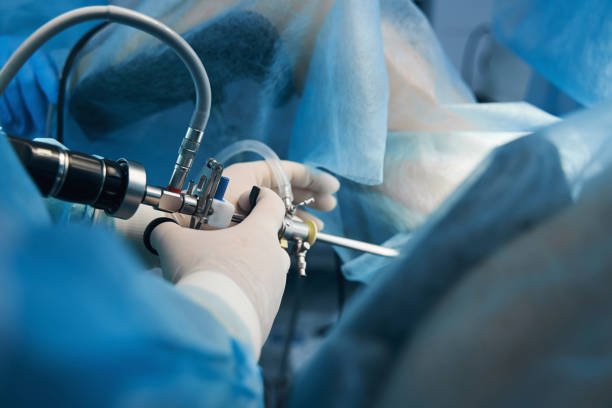

Minimally invasive surgery (MIS) has redefined modern surgical care by enabling complex procedures through small incisions using specialized instruments and advanced imaging systems. Compared to conventional open surgery, these techniques often reduce trauma, shorten hospital stays, minimize postoperative pain, and support faster recovery. As healthcare providers across the UAE continue to modernize clinical services, minimally invasive procedures are becoming an important component of patient-centered care.
The UAE’s healthcare ecosystem is rapidly adopting advanced surgical technologies to improve treatment outcomes and operational efficiency. An analysis published by Markntel Advisor highlights that advanced minimally invasive surgical technologies are gaining greater acceptance across hospitals and specialty centers due to their ability to enhance precision while improving patient recovery experiences. This shift reflects the country’s broader investment in high-quality healthcare infrastructure and innovation.
Several factors are encouraging wider adoption of minimally invasive procedures across the UAE. Healthcare providers are expanding access to robotic-assisted surgery, advanced laparoscopic systems, and high-definition imaging technologies that allow surgeons to perform increasingly complex operations with greater accuracy. As clinical expertise continues to improve, these technologies are supporting procedures across cardiology, orthopedics, gastroenterology, urology, gynecology, and oncology.
Growing Burden of Chronic Diseases Is Increasing Surgical Demand
Chronic illnesses such as cardiovascular diseases, diabetes, obesity-related complications, musculoskeletal disorders, and cancer continue to increase the need for surgical interventions. In many cases, minimally invasive techniques offer an effective alternative to traditional surgery by reducing complications and enabling faster patient recovery. Healthcare providers increasingly prefer these procedures because they can improve clinical outcomes while optimizing hospital resources.
Technology Is Reshaping Modern Operating Rooms
Continuous innovation remains one of the strongest drivers behind minimally invasive surgery. Robotic surgical platforms, artificial intelligence-assisted imaging, 3D visualization systems, and enhanced navigation technologies are helping surgeons perform procedures with greater confidence and precision. These advancements not only improve surgical accuracy but also reduce the likelihood of complications during complex operations. As hospitals continue investing in digital healthcare infrastructure, advanced surgical technologies are expected to become even more accessible.
The Importance of Skilled Surgical Professionals
While technology is advancing rapidly, successful implementation depends heavily on highly trained surgeons and healthcare teams. Robotic-assisted procedures and sophisticated imaging systems require specialized education, continuous training, and hands-on clinical experience. Expanding professional training programs, investing in simulation-based learning, and strengthening collaboration between healthcare institutions will play a significant role in supporting the long-term adoption of minimally invasive surgical techniques throughout the UAE.
Hospitals Continue Investing in Advanced Surgical Care
Healthcare organizations across the UAE are strengthening their surgical capabilities by upgrading operating rooms and introducing modern medical equipment. These investments improve patient safety while supporting shorter recovery periods and more efficient hospital workflows. The country’s focus on healthcare quality, digital transformation, and medical innovation also strengthens its position as a regional destination for advanced surgical care and medical tourism.
Looking Ahead
Minimally invasive surgery continues to represent one of the most significant advancements in modern medicine. As healthcare providers embrace robotics, intelligent imaging systems, and precision-guided surgical tools, patients are expected to benefit from safer procedures and improved clinical outcomes. Ongoing investment in technology, infrastructure, and workforce development will remain essential in expanding access to these innovative treatments across the UAE, supporting the country’s long-term vision for world-class healthcare delivery.