
The more you practice baking, the more likely you are to encounter a few disappointing batches. A cake sinks in the middle, cookies spread too much, bread turns out dense, or a pastry comes out a little too brown. It can be tempting to throw everything away and start over.
But not every baking fail belongs in the bin.
Many imperfect bakes can be transformed into something delicious. In fact, learning how to repurpose baking mistakes is a useful skill for beginner bakers. It helps reduce food waste, saves money, and gives you another chance to enjoy what you made.
Safety First: Know When to Throw It Away
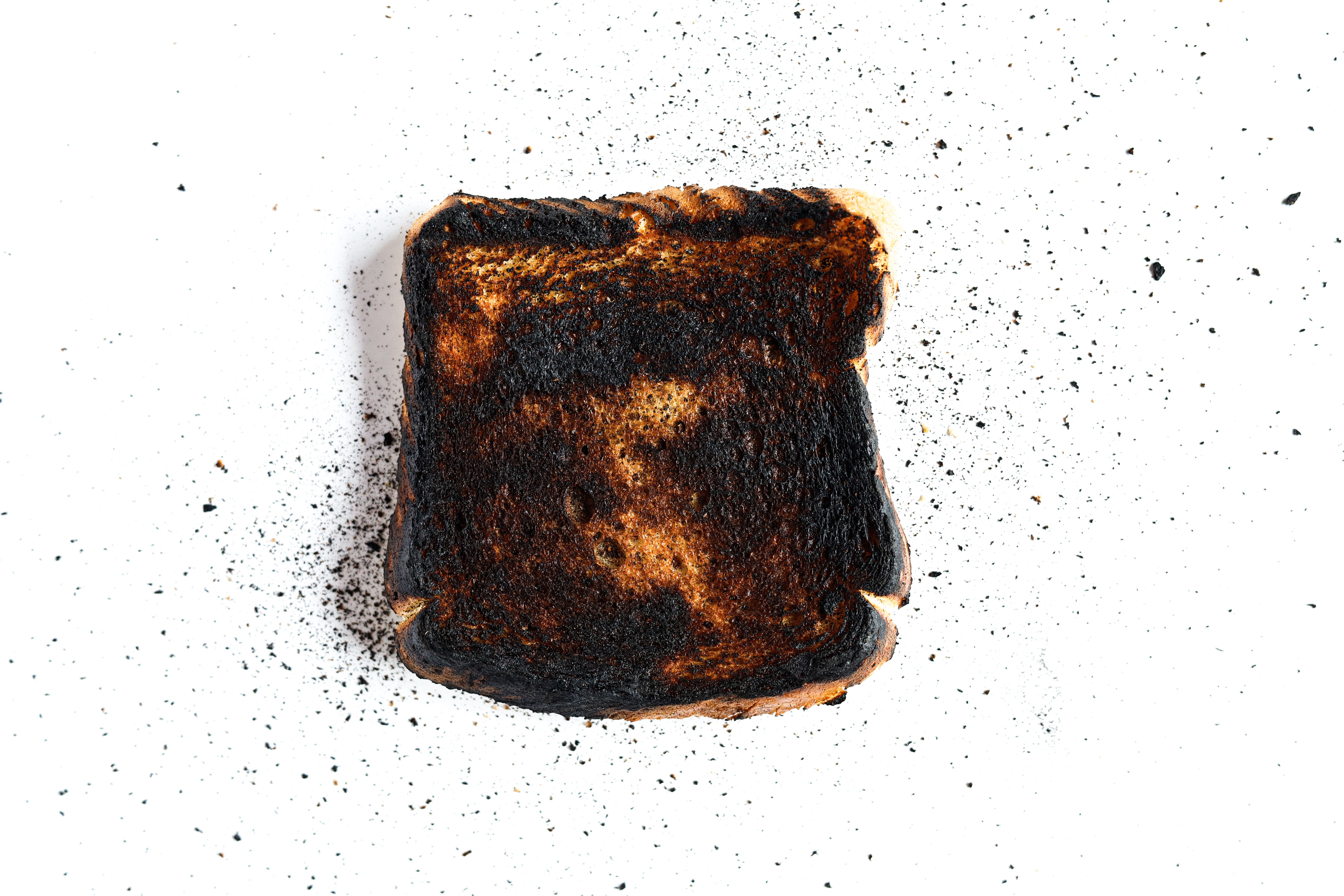
Repurposing a failed bake is only a good idea when the food is fully cooked and still safe to eat.
Don’t try to rescue anything:
- Raw or underbaked in the center
- Has been contaminated
- Shows signs of mold
- Has an unusual smell or appearance
- Contains ingredients that may have spoiled.
When in doubt, it’s safer to discard it.
Also, don’t confuse a cosmetic problem with a food-safety problem. A cracked cake, uneven cookies, or misshapen pastry may look imperfect but can still be perfectly safe to eat.
Here are seven common baking fails—and creative ways to reinvent them.
1. Sunken Cakes or Muffins

A cake or batch of muffins that sinks in the middle can be disappointing, especially when you were expecting a light, fluffy crumb. This can happen because of underbaking, too much liquid, too much leavening agent, or opening the oven door too early.
Instead of tossing them, turn the baked goods into dessert cups or cake truffles. Cut away any particularly wet or underbaked sections, then crumble the remaining cake. Layer the crumbs with whipped cream, fruit, pudding, or yogurt in a glass for an easy trifle-style dessert.
You can also mix cake crumbs with frosting, roll the mixture into balls, and dip them in melted chocolate to make simple cake truffles.
2. Burned or Overcooked Cake
A cake with a dark, bitter crust doesn’t necessarily mean the entire dessert is ruined. If the inside is still edible, carefully trim away the burned edges and top.
Use the remaining cake for cake pops, trifles, or dessert bases. Crumble it and combine it with frosting or cream, then add chocolate, fruit, or nuts to balance the flavor.
For cakes that are only slightly overcooked and dry, try brushing the layers with simple syrup, fruit juice, or coffee before adding frosting. The extra moisture can help bring some softness back.
3. Overcooked or Crumbly Cookies and Biscuits

Did your cookies stay in the oven a little too long? Or did they crumble when you tried to remove them from the tray?
Don’t worry. Crisp or broken cookies are perfect for crumb toppings and dessert bases. Crush them and use the crumbs as a cheesecake crust, ice cream topping, pie base, or layer in a dessert parfait.
You can also mix cookie crumbs with melted butter and a little sugar, then press the mixture into a pan to make a quick no-bake crust.
If the cookies are simply too dry rather than burned, crumble them over ice cream, pudding, or yogurt. A baking mistake can become an intentional crunchy topping.
4. Not Sweet Enough
Sometimes a finished bake tastes fine but lacks the sweetness you expected. This is one of the easiest problems to fix.
For cakes and muffins, add sweet toppings such as frosting, glaze, jam, honey, caramel sauce, or powdered sugar. Fresh fruit and whipped cream can also make a less-sweet cake feel more like a finished dessert.
For cookies or biscuits, serve them with chocolate spread, sweetened cream cheese, or a dip. You don’t always have to alter the baked product itself—sometimes the right topping is enough.
And remember: a not-too-sweet bake isn’t necessarily a failure. It can work especially well alongside something rich or sweet.

5. Too Sweet
On the other hand, adding too much sugar can make a dessert overwhelming. The good news is that you can balance sweetness with ingredients that bring acidity, bitterness, or richness.
Serve an overly sweet cake with unsweetened whipped cream, plain yogurt, fresh berries, or tart fruit. Coffee and dark chocolate can also help offset excessive sweetness.
You can repurpose very sweet cake into a layered dessert where the other components are deliberately less sweet. For example, alternate small pieces of cake with plain yogurt and fresh fruit.
The key is balance: don’t add even more sugar to a dessert that’s already too sweet.
6. Dense or Heavy Bread
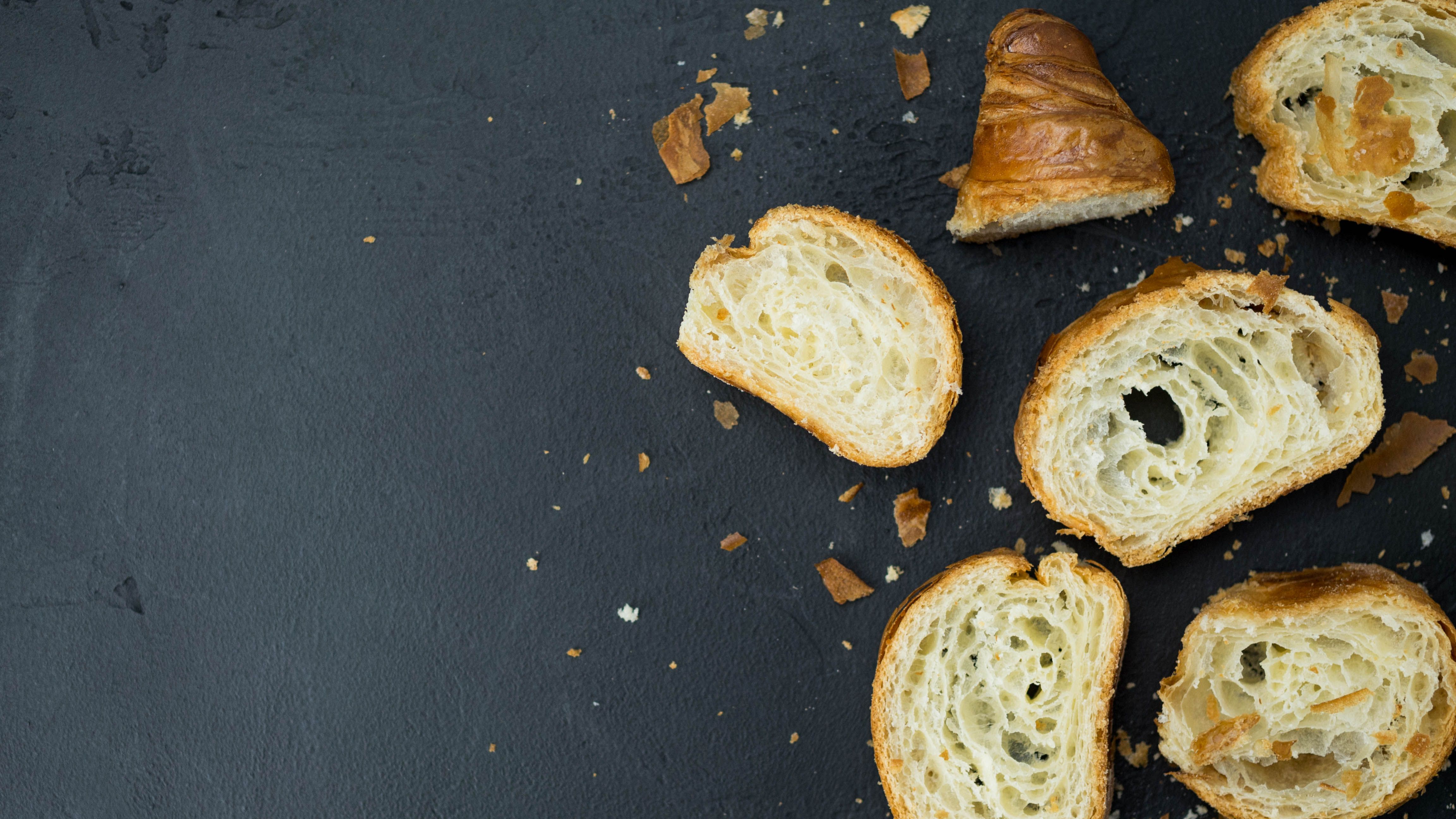
A homemade loaf that turns out dense may not have the airy texture you wanted, but it can still have plenty of uses.
Slice it thinly and turn it into toast, croutons, French toast, bread pudding, or breadcrumbs. Slightly stale or dense bread can actually be excellent for these recipes because it absorbs sauces, eggs, and seasonings well.
For savory uses, cut the bread into cubes, season them, and bake until crisp for homemade croutons. You can also process dry bread into breadcrumbs and store them for future recipes.
7. Pastries That Break, Crack, or Lose Their Shape
Pastries don’t always come out picture-perfect. Pie crusts can crack, tart shells can break, and puff pastry can lose its shape.
Rather than worrying about appearance, turn the pieces into rustic desserts. Broken pastry can become the base of a layered dessert, while leftover tart or pie crust can be cut into pieces, baked until crisp, and served with fruit and cream.
You can also turn pastry scraps into small cinnamon-sugar bites. Brush them with butter, sprinkle with cinnamon and sugar, and bake until golden. They may not look like the pastry you originally planned, but they can still make a tasty snack.
Reduce Baking Waste With Bread Improvers
While repurposing failed bakes is helpful, preventing avoidable failures in the first place can reduce waste even further. This is where bread improvers can be useful, particularly for people who bake bread regularly.
Bread improvers are ingredients or formulations designed to help improve characteristics such as dough handling, volume, texture, softness, and consistency. Depending on the product and recipe, they can help bakers achieve more reliable results.
However, bread improvers aren’t a substitute for good technique. Measuring ingredients accurately, following proofing times, understanding dough texture, and learning how your oven behaves are still essential skills.
Turning Mistakes Into Something Delicious

Baking fails are part of learning. Instead of seeing every imperfect cake, cookie, loaf, or pastry as wasted food, look for ways to give it a second life.
A sunken cake can become a trifle. Crumbly cookies can become a cheesecake crust. Dense bread can become French toast. Broken pastry can become a rustic dessert.
The next time a batch doesn’t turn out as planned, pause before throwing it away. Ask yourself: “What else can I make with this?”
You may discover that some of your best baking ideas start with a mistake.
Author Bio: Carmina Natividad is a resident writer for Mauri, a trusted name in baking supplies and ingredients across Australia and New Zealand. She enjoys sharing practical insights and inspiration to help bakers, from local artisans to large-scale producers, create consistently high-quality, delicious baked goods.