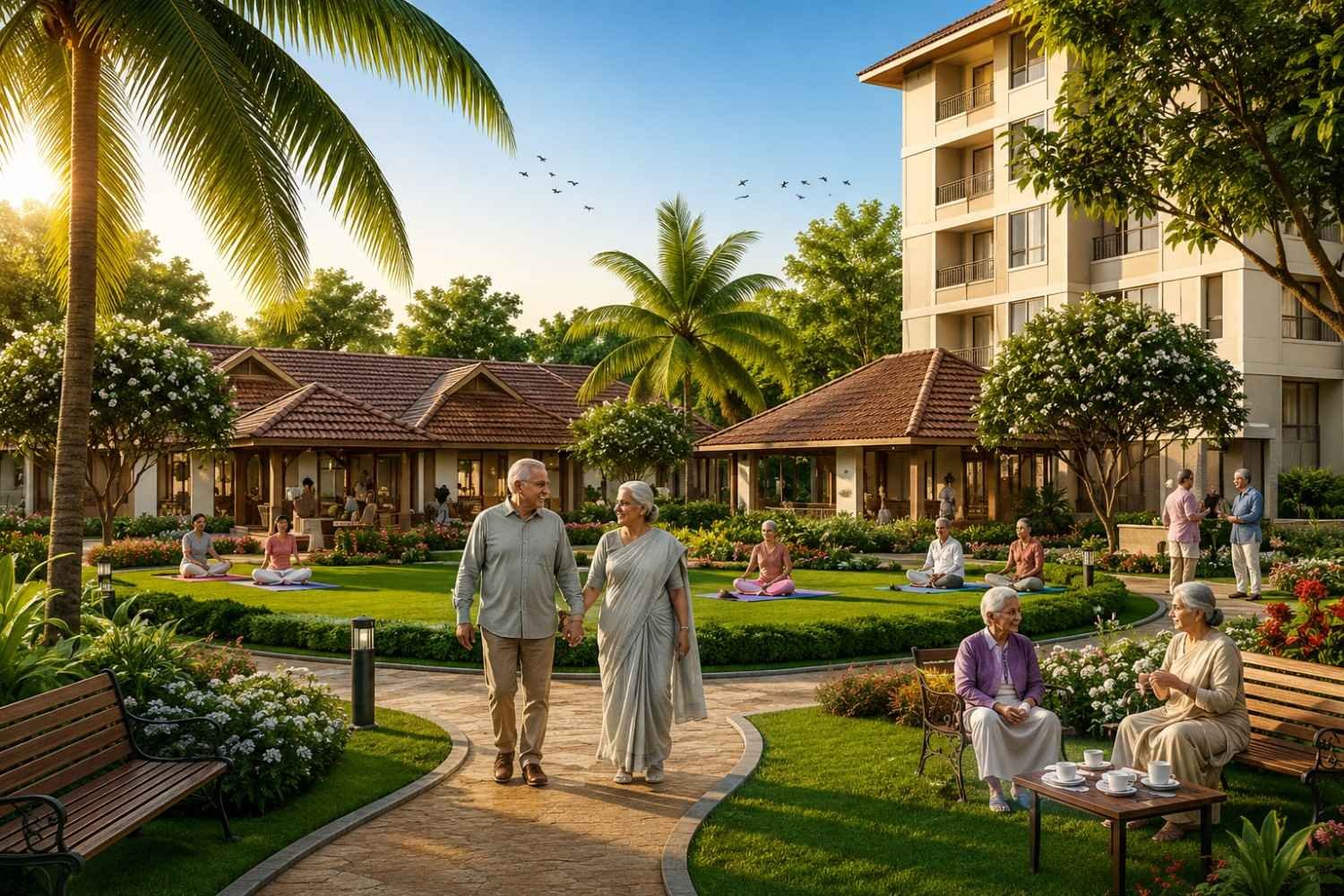

A well-designed landscape can transform an ordinary yard into an attractive and functional part of a home. The right combination of plants, patios, walkways, retaining walls, and outdoor living features can create comfortable areas for relaxing, entertaining, and enjoying time outside. Achieving a balanced result requires more than selecting attractive materials or adding greenery. Every part of the property should be considered as part of one connected outdoor environment.
Vicente Outdoor Living helps homeowners in Tyler and surrounding East Texas communities improve their properties through customized outdoor planning and construction. Its landscape design and build services bring design decisions and practical installation requirements together. From planting layouts and hardscaping to patios, pergolas, artificial turf, and retaining walls, projects can be planned around the home’s appearance, property conditions, and the homeowner’s lifestyle.
Why Professional Landscape Design and Build Services Matter
A landscape project often involves several elements that need to work together. Planting areas, walkways, patios, drainage, and outdoor structures all affect how the finished yard looks and functions. Planning these features separately can lead to disconnected spaces or practical issues that could have been addressed earlier. A coordinated approach helps establish a clear layout before construction begins.
Professional planning also allows homeowners to consider the property’s existing conditions and long-term needs. Soil, sunlight, slopes, water movement, and available space can influence material choices and the placement of different features. By evaluating these details early, Vicente Outdoor Living helps homeowners explore practical ways to improve their outdoor areas while maintaining a consistent design.
Design a Landscape Around Your Property
Every property has its own characteristics, so a successful landscape should reflect the space rather than follow a standard layout. The shape of the yard, existing trees, home architecture, ground elevation, and access points can all influence the design. Understanding these details helps determine where planting beds, patios, pathways, and other features will work best.
Homeowners should also think about how they want to use the finished landscape. Some may prefer open lawn areas and simple garden beds, while others want outdoor dining, shaded seating, or dedicated recreational spaces. Combining these priorities with the property’s natural features can create an outdoor environment that feels personal, organized, and comfortable.
Start With a Complete Landscape Plan
A complete landscape plan provides direction before installation begins. It helps homeowners understand how different features will fit together and which improvements should receive priority. A clear design can also make it easier to review materials, establish a project scope, and identify practical requirements before construction starts.
A comprehensive landscape project may include:
- Planting beds, trees, shrubs, and garden areas.
- Patios, paver walkways, and other hardscape features.
- Retaining walls, steps, and changes in elevation.
- Artificial turf, lawns, and recreational areas.
- Pergolas, outdoor kitchens, and gathering spaces.
The final selection should reflect the property’s dimensions, budget, maintenance preferences, and intended use. Vicente Outdoor Living offers design services that can bring planting, hardscaping, outdoor structures, and site planning into one coordinated concept. This helps homeowners consider the entire backyard instead of making separate decisions for each improvement.
Choose Plants That Suit the Environment
Plant selection has a major influence on the appearance and upkeep of a landscape. Different plants have different requirements for sunlight, soil, water, and growing space. Choosing suitable varieties can help create a balanced arrangement while reducing the likelihood that plants will struggle because of unsuitable conditions.
A thoughtful planting layout can also provide privacy, frame outdoor gathering areas, and soften the appearance of patios or retaining walls. Trees and shrubs can establish structure, while smaller plants and garden beds add color and texture. The overall arrangement should complement the home’s architecture and leave enough room for healthy growth and convenient maintenance.
Create Functional Patios and Walkways
Patios and walkways provide structure and improve movement throughout a property. A patio can create a dedicated place for outdoor dining or relaxation, while pathways connect the home with gardens, seating areas, and other parts of the yard. Their placement should follow natural movement patterns and provide convenient access without making the landscape feel crowded.
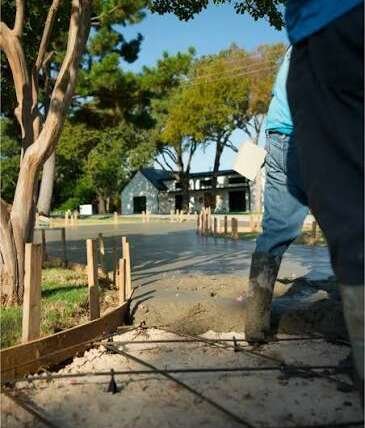
Material selection is another important consideration. Pavers, stone, and concrete offer different appearances and installation requirements. Proper base preparation, grading, and drainage should be considered alongside the chosen finish. When these hardscape elements complement the surrounding plants and home exterior, they can make the entire landscape feel more cohesive.
Improve Sloped Areas With Retaining Walls
Uneven ground can limit the amount of usable space in a backyard. Slopes may make it difficult to install patios, create planting beds, or establish comfortable areas for outdoor activities. Retaining walls can help manage certain elevation changes and create more defined sections of the property when designed for the site’s conditions.
The design should account for wall height, soil pressure, foundation preparation, drainage, and any necessary reinforcement. Water management is particularly important because moisture collecting behind a wall can affect its stability. Retaining walls can also be coordinated with steps, pathways, and planting areas to create smoother transitions between different levels of the landscape.
Plan Drainage for Long-Term Landscape Performance
Drainage is an essential part of landscape planning because water movement can affect nearly every outdoor feature. Poor runoff management may contribute to standing water, soil erosion, damaged planting areas, or problems around patios and retaining walls. Reviewing the property’s existing grade and drainage patterns helps identify areas that may need attention.
Depending on site conditions, a project may require grading adjustments, drainage channels, suitable base materials, or other water-management measures. Vicente Outdoor Living considers drainage and site planning as part of its outdoor design approach. Addressing these details before installation helps create a landscape that is designed around the property’s practical requirements as well as its appearance.
Add Artificial Turf for a Consistent Green Surface
Artificial turf can provide an alternative to natural grass in selected areas where homeowners want to reduce routine mowing. It may be suitable for full lawn replacements, side yards, pet areas, recreational spaces, and backyard putting greens. The best application depends on the property’s layout and how the surface will be used.
A quality installation requires more than placing synthetic grass over existing ground. Excavation, base compaction, grading, drainage, edging, and seam finishing all influence the result. Vicente Outdoor Living offers artificial turf solutions as part of its wider outdoor services, allowing turf to be coordinated with patios, planting beds, walkways, and other landscape features.
Connect Landscaping With Outdoor Living Features
Landscaping can make outdoor living areas feel more natural and inviting. Plants can frame patios, provide visual separation around seating areas, and soften the edges of outdoor kitchens or paved surfaces. When these elements are planned alongside structures and hardscaping, the backyard can feel like one complete environment.
Homeowners may combine landscaping with several outdoor features, such as:
- Pergolas and pavilions for shaded seating.
- Outdoor kitchens and dining areas for entertaining.
- Fire pits and fireplaces for gathering spaces.
- Custom decks and patios for relaxation.
- Retaining walls and pathways for better organization.
The placement of each feature should support comfortable movement and practical use. A well-positioned pathway can connect a patio with a garden, while planting beds can create a natural transition between hard surfaces and open lawn areas. Coordinating these details helps the landscape maintain a consistent appearance.
Select Materials That Complement Your Home
The materials used throughout a landscape influence its overall character. Pavers, stone, concrete, decking, wall blocks, edging, and decorative finishes can all contribute to the final design. Selecting complementary colors and textures helps create visual connections between different parts of the property.
Material choices should also account for durability, weather exposure, cleaning requirements, and the intended use of each area. A surface used for dining may have different requirements from a garden pathway or poolside space. Reviewing these practical considerations during the design stage helps homeowners balance appearance with everyday performance.
Design Outdoor Spaces for Everyday Living
A landscape should support the way people actually use their property. Some households need open areas for children and pets, while others prefer garden spaces, shaded seating, or room for outdoor meals. Establishing these priorities helps determine the amount of space each activity should receive.
A flexible layout can accommodate different uses without making the yard feel divided into too many separate sections. Patios, lawn areas, pathways, and planting beds can be arranged to create natural connections between activities. The result should feel comfortable to navigate and remain useful as household needs change.
What to Consider Before Beginning a Landscape Project
Before construction starts, homeowners should identify their main goals and establish a realistic budget. It can be helpful to separate essential improvements from optional additions so that the available investment is directed toward the most important parts of the project. Planning access, drainage, materials, and maintenance in advance can also reduce unexpected changes.
Important considerations include the property’s existing conditions, intended outdoor activities, material preferences, maintenance requirements, construction schedule, and any applicable permits. Homeowners should review a detailed proposal that explains the planned work and estimated costs. Discussing these details with the contractor helps establish clear expectations before installation begins.
How Vicente Outdoor Living Approaches Design and Construction
A coordinated design-build process helps connect the planning stage with the practical requirements of construction. The process generally begins with a consultation and property assessment to discuss the homeowner’s preferences, available space, and project goals. For larger remodels, a design and itemized estimate can help clarify the proposed layout and scope before work begins.
Vicente Outdoor Living coordinates consultation, design where applicable, estimating, and construction through one team. Its approach emphasizes customized solutions, suitable materials, proper preparation, clear communication, and project updates. A final walkthrough provides an opportunity to review the completed work and discuss finishing details before the project is considered complete.
Choosing Vicente Outdoor Living for Your Landscape
Selecting a company for a landscape project involves more than comparing individual services or materials. Homeowners should consider how the team approaches design, site conditions, construction coordination, and communication. A company that can consider landscaping and outdoor construction together can help create a more connected result when several improvements are planned.
Vicente Outdoor Living serves Tyler and surrounding East Texas communities, including Whitehouse, Flint, Bullard, Chandler, and nearby areas. Its services include landscape planning, patios, walkways, retaining walls, artificial turf, pergolas, outdoor kitchens, and other outdoor living improvements. Homeowners can discuss their goals and review a proposal based on the property’s conditions and the features they want to include.
Conclusion
A well-planned landscape can improve the appearance, functionality, and enjoyment of a residential property. Planting areas, patios, walkways, retaining walls, turf, and outdoor structures can each contribute to a more inviting environment when they are designed as parts of one connected space. Careful attention to drainage, materials, site preparation, and maintenance helps support a practical result.
For homeowners looking for landscape design and build services in Tyler and surrounding East Texas communities, Vicente Outdoor Living offers a coordinated approach to outdoor planning and construction. By considering the property, the homeowner’s lifestyle, and the practical requirements of each feature, the team can help transform an ordinary yard into a more attractive and functional outdoor environment.