
Walk through any major construction site in Riyadh, Jeddah, or Dammam and you will notice something. Long before the walls go up, the drainage, cable routing, and utility channels are already being planned. Trenches are the quiet backbone of these systems. When they fail, cracked covers, blocked channels, and costly repairs follow.
That is why choosing the right Precast Concrete Trench Supplier in Saudi Arabia is one of the most important decisions a contractor, consultant, or project owner will make. Prices and brochures look similar on paper, but the real difference shows up on site, months or years later. This guide explains what separates a dependable partner from a risky one, in plain language you can use on your next tender.
Why Precast Trenches Matter in Saudi Projects
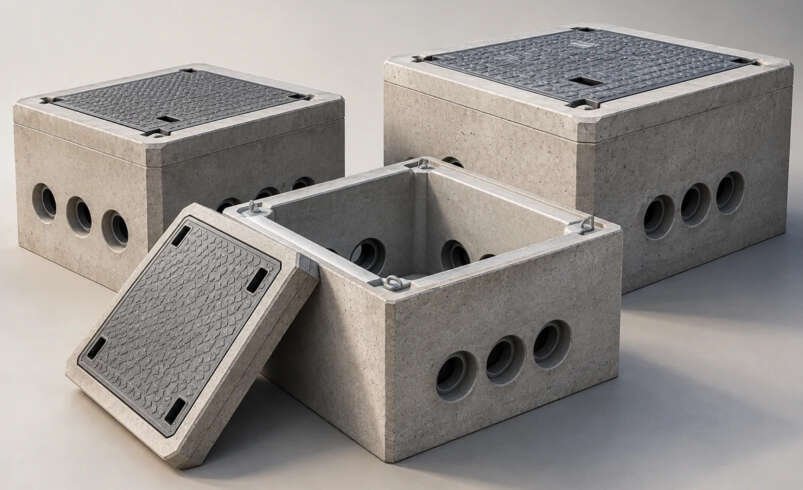
Saudi Arabia is in the middle of a historic building boom. Giga-projects, new cities, industrial zones, airports, and rail networks all need reliable underground infrastructure. Precast trenches have become a favorite solution because they solve problems that cast-in-place methods often struggle with.
Speed on Site
Precast units are made in a factory, so they arrive ready to install. There is no waiting for formwork, no curing delays in the desert heat, and no weather-related surprises. Crews lift the units into position, align them, and move on. On projects with tight schedules, this can save weeks.
Consistent Quality
Factory production means controlled conditions. Temperature, mixing ratios, and curing are monitored, so every unit comes out with the same strength and finish. On-site casting depends heavily on labor, weather, and supervision, and the results can vary from one section to the next. A good supplier removes that uncertainty.
Material Quality Is the Foundation
Reliability starts with what goes into the product. A trench that looks perfect on delivery day can still fail early if the materials were poor.
Concrete Mix and Cement
Saudi Arabia’s climate is tough on concrete. High temperatures, salt-laden air in coastal cities, and sulfate-rich soils can all attack a weak mix. A reliable supplier designs mixes for these conditions, using suitable cement types, low water-to-cement ratios, and quality aggregates. Ask which cement is used and why. A confident supplier will answer without hesitation.
Reinforcement Steel
The steel inside the concrete carries loads that concrete alone cannot handle. Look for suppliers who use certified reinforcement, place it accurately, and maintain proper cover so the steel is protected from corrosion. Poor cover is one of the most common causes of early cracking and rust staining.
Testing and Certification
Good suppliers do not just claim quality; they prove it. Cube strength tests, slump tests, dimensional checks, and load testing should be routine, and the records should be available on request. If a supplier cannot show test reports, treat that as a warning sign.
Manufacturing Capability and Capacity
A supplier can have excellent materials and still let you down if the factory cannot keep up with your schedule.
Modern Casting Facilities
Look for a plant with strong molds, proper curing systems, and heavy lifting equipment. Well-maintained molds produce clean edges and accurate dimensions, which makes installation faster and joints tighter. If you have the chance, visit the factory. A tidy, organized yard usually reflects a tidy, organized business.
Capacity and Lead Times
Ask how many units the plant can produce per week and how many other projects share that capacity. A reliable supplier gives honest lead times, even when the answer is not what you hoped to hear. Beware of anyone who promises everything immediately; overpromising is how delays begin.
Engineering and Customization Support
Few projects use identical trench dimensions. Road crossings, plant rooms, substations, and parking areas all have different load and size requirements.
Design Flexibility
A dependable supplier offers a range of standard sizes and can also produce custom sections when the project calls for them. This includes different depths, widths, cover slab types, and special shapes for corners, junctions, and transitions. Flexibility saves you from awkward site modifications that weaken the system.
Load Ratings That Match the Job
A trench beside a pedestrian walkway does not face the same loads as one crossing a truck route. The supplier should help you choose covers and walls rated for the real traffic they will face, whether that is light foot traffic or heavy vehicles. Matching the rating to the application prevents both under-design and wasteful over-design.
Technical Drawings and Submittals
Consultants need documents for approval: shop drawings, calculations, material data sheets, and method statements. A reliable supplier prepares these quickly and accurately. Slow or incomplete submittals can stall approvals and hold up your whole schedule.
Compliance With Saudi Standards and Regulations
Compliance is not optional. Projects in the Kingdom must meet national and project-specific requirements, and a trench that fails inspection is a costly headache.
Meeting Local and International Codes
A serious Precast Concrete Trench Supplier in Saudi Arabia should be familiar with Saudi Building Code requirements, SASO regulations, and the international standards commonly specified by consultants, such as ASTM and BS. Their products should arrive with documentation showing they meet the specified standards.
Quality Management Systems
Check whether the supplier operates under a recognized quality management system, such as ISO 9001. This shows that processes are documented, inspected, and continuously improved rather than left to chance. It also makes audits and client inspections much smoother.
Alignment With Vision 2030 Expectations
Many large projects now emphasize sustainability, local content, and safe working practices. Suppliers who invest in efficient production, reduce waste, and support local manufacturing are better positioned to meet these growing expectations.
Logistics and Delivery Performance
Even the best product is useless if it is stuck in a yard when your crew is waiting.
Transport and Handling
Precast units are heavy and can be damaged by careless handling. A reliable supplier uses proper trailers, lifting points, and protective packing, and plans routes carefully. Ask how they prevent chipped edges and cracked corners during transport and offloading.
On-Time Delivery
Delivery schedules should be clear and coordinated with your site team. Look for suppliers who communicate proactively. A short message saying a shipment will be one day late is far better than silence followed by an excuse.
Coordination Across Regions
Saudi Arabia is vast, and projects can be far from the factory. Ask how the supplier handles long-distance deliveries and whether they have experience serving projects in different regions. Experience with remote sites is a good sign of a mature operation.
Track Record and After-Sales Support
Words are cheap. A track record is harder to fake.
Proven Project Experience
Ask for a list of completed projects, preferably with similar scope and scale to yours. Better still, ask for references and call them. Contractors who have worked with a supplier will tell you honestly whether deadlines were met and problems were solved.
Responsive Support After Delivery
Issues can come up during installation: a misaligned joint, a missing accessory, or a question about sealing details. A reliable supplier stays involved after delivery, sending technical advice or even a site representative when needed. This support often matters more than the price difference between two quotations.
Warranty and Accountability
Find out what the supplier guarantees and what happens if a defect appears. Clear, written terms show confidence in the product. Vague promises usually mean vague responsibility.
Red Flags to Watch For
Sometimes knowing what to avoid is as helpful as knowing what to look for. Be cautious if you notice any of these signs:
- Prices far below the market average, which often signal compromised materials or skipped testing.
- No test certificates, factory visit options, or quality documentation.
- Unclear lead times or reluctance to commit to dates in writing.
- No references from past clients or a list of projects that cannot be verified.
- Poor communication during the quotation stage, which usually gets worse after the order is placed.
If you see two or more of these, keep looking. The cheapest quote can become the most expensive decision once delays and repairs are counted.
Questions to Ask Before You Decide
A short conversation can reveal a lot. Before signing, ask potential suppliers:
- Which standards do your products comply with, and can you share the test reports?
- What is your realistic weekly production capacity?
- Can you supply custom sizes and special fittings?
- How do you protect units during transport and offloading?
- Which similar projects have you completed in the Kingdom?
Compare the answers side by side. The right Precast Concrete Trench Supplier in Saudi Arabia will respond clearly, back up claims with documents, and welcome your questions rather than avoid them.
Conclusion
Reliability is not one big feature; it is a collection of small, consistent habits. Strong materials, honest testing, capable factories, flexible engineering, compliance with local standards, careful delivery, and real support after the sale all add up. When even one of these is missing, the risk lands on your project.
Take your time, verify claims, and treat the selection process as an investment rather than a quick purchase. Choosing a dependable Precast Concrete Trench Supplier in Saudi Arabia protects your schedule, your budget, and your reputation for years to come.
Ready to move forward with confidence? Visit our website today and contact Khatwat Islah Precast, Concrete Trenches to request a quotation, discuss your project requirements, and get expert guidance from a team that treats your deadlines as its own.